Category: Economy&Finance

  • No Money, No Christmas? Why This December Will Be The Hardest For Ordinary Kenyans

    No Money, No Christmas? Why This December Will Be The Hardest For Ordinary Kenyans

    Nobody is saying it out loud. Nobody wants to sound ungrateful. But deep inside many people are asking themselves the same thing. Is Christmas still for people like us?

    Christmas used to be about family. About going home, sitting together, eating together and laughing together. It was never about money.

    It was about that one day when the whole family would gather under one roof. Grandmother in the kitchen. Children running around the compound. Fathers telling old stories. Mothers serving food with a smile. Nobody was counting how much was spent. Nobody was comparing who brought what. The joy was in being together.

    But today, Christmas has changed. Today it is about who can afford the fare home, who can afford meat, who can afford to watch TV and who can afford to survive January.

    Today, many people are not thinking about celebration. They are thinking about survival. They are doing maths in their heads. If I travel then what will I eat in January? If I buy meat then how will I pay rent? If I buy clothes for my children then how will I pay school fees?

    That is the painful reality for many ordinary Kenyans this year. Christmas is no longer a season of joy for everyone. For some, it has become a season of pressure, comparison and silent stress.

    The truth is Kenyans have been through worse. We went through COVID. We went through the days when people lost jobs overnight, when businesses closed, when funerals became small and lonely. We went through the Finance Bill. We went through the days when unga was almost out of reach and when a packet of flour became a luxury.

    We survived because we are strong. We survived because we held each other. We survived because we learned to make little go a long way. We will survive this December too.

    You do not need a big bag to prove you have made it. You do not need new clothes for your children to prove you love them. You do not need to pay KSh 350 to know what is happening in your own country. Love is not measured by what you buy. A parent who is present is worth more than a parent who comes home with gifts but is drowning in debt.

    Sometimes, the best Christmas is not the loudest one. It is not the one with the biggest goat or the newest clothes. It is the one where you are alive, healthy and at peace with your family.

    Now tell me honestly in the comments: This December, are you travelling home or staying? And how are you planning to survive January?
  • Inside Uhuru Kenyatta’s Gicheha Farm Housing Ankole Cattle Weighing Up to 720kg

    Inside Uhuru Kenyatta’s Gicheha Farm Housing Ankole Cattle Weighing Up to 720kg

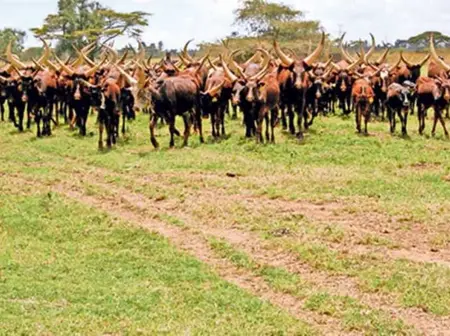
    Former President Uhuru Kenyatta's Gicheha Farm in Rongai, Nakuru County, is known for its extensive livestock operations, featuring several cattle breeds imported from different parts of the world.

    The 4,000-acre property reportedly keeps Ankole cattle imported from Uganda. The breed is particularly recognised for its distinctive, impressive horns, with individual animals capable of weighing up to 720 kilogrammes.

    Apart from the Ankole breed, the farm also rears several other types of beef cattle, including Charolais, Hereford and Brahman. Indigenous and locally established breeds such as Borana and Sahiwal are also part of its livestock collection.

    The farm's activities extend beyond cattle keeping. It reportedly houses more than 200 Dorper sheep and Galla goats, which are raised for meat production. Meanwhile, 42 Boer goats imported from South Africa are kept as the farm's milk-producing animals.

    Animal health is also an important part of the operation. According to information about the farm, a veterinary officer oversees the livestock's medical needs, including routine vaccinations. The cattle are additionally taken through an on-site dipping facility every Tuesday to control external parasites.

    Another interesting feature is the farm's record-keeping system. Each animal reportedly has an individual file containing information about its breed, birth date, parentage, weight, medical history and expected maturity date for sale.

    These records help the farm monitor its livestock and organise its breeding and sales activities.

    https://whownskenya.com/gicheha-farm-inside-uhuru-kenyattas-4-000-acre-farm-in-nakuru/

  • Ojienda Woos Kisumu Traders With Floodlights as He Eyes Governor’s Seat

    Ojienda Woos Kisumu Traders With Floodlights as He Eyes Governor’s Seat

    Kisumu Senator Tom Ojienda is working the crowds in a bid for the county's top job. He sat down with market leaders and small traders from Akupae, Fish Market, Jubilee Market, and Ahero Mowuok. The talks took place on Saturday, November 21, 2026.

    At the Buspark precinct, Ojienda tackled worries about night-time theft and insecurity. He said six new floodlights now brighten the area. The lights, he argued, let traders stay open longer and keep their stock safer.

    "The security of your businesses is non-negotiable, which is why we have already installed six new floodlights at the Buspark to light up the area and protect your premises," he told the gathering.

    Ojienda also used the meeting to preview his governor's agenda. He promised a full overhaul of how Kisumu collects its revenue. A transparent system, he said, would plug leakages and ensure county funds reach every sub-county.

    "Under my leadership as governor in the next elections, we will establish a proper, transparent revenue system that translates directly into real service delivery across the entire county," he said.

    The outreach fits a wider campaign. Ojienda has signalled interest in succeeding Governor Anyang' Nyong'o in 2027. Similar sessions have been held with business owners in Kondele, Migosi, and Kisumu Central.

    With the polls approaching, security, revenue, and county services are set to dominate the campaign trail. Traders will be watching closely to see whether the promises turn into practical gains.

  • Fresh Details Emerge on How Much Passengers Could Pay After Rironi-Mau Summit Tolling

    Fresh Details Emerge on How Much Passengers Could Pay After Rironi-Mau Summit Tolling

    Motorists and public transport operators using the busy Rironi-Mau Summit highway could face increased travel expenses once the proposed tolling system is implemented, raising concerns about a possible rise in passenger fares.

    The proposed toll charges are expected to introduce additional operating costs for matatu and bus operators travelling between Nairobi, Naivasha, Gilgil, Nakuru and Mau Summit.

    Under the proposed arrangement, motorists using the Rironi-Naivasha-Gilgil section will pay KSh8 per kilometre, while the Gilgil-Nakuru-Mau Summit section will attract a charge of KSh8.50 per kilometre.

    These charges could force public transport operators to review their fares to accommodate the additional expenses associated with using the upgraded highway.

    For instance, passengers travelling from Nairobi to Nakuru currently pay approximately KSh1,150 for a one-way journey on Easy Coach, although fares vary depending on demand and booking dates.

    If operators decide to transfer some of the toll expenses to passengers, commuters could eventually experience higher transport costs.

    The situation could resemble what happens on the Nairobi Expressway, where some matatu operators reportedly charge passengers an additional KSh30 or KSh50 to cater for toll expenses.

    However, the actual increase in fares along the Rironi-Mau Summit corridor will depend on the toll charges applicable to individual vehicles, the number of passengers and operators' decisions.

    The proposed tolling system is part of a major highway expansion project being implemented through a Public-Private Partnership arrangement.

    The government expects the upgraded highway to improve road safety, reduce traffic congestion and shorten travel time between Nairobi and the Rift Valley region.

    Motorists who do not wish to pay toll charges are expected to have alternative routes, although using such roads could increase travel time and fuel consumption.

    No official public transport fare increase has been announced so far, meaning commuters will have to wait for the final tolling arrangements before determining the actual financial impact.

    Nevertheless, the proposed charges have raised questions about the affordability of long-distance travel for ordinary Kenyans.

    Sources;

    https://peopledaily.digital/insights/rironi-mau-summit-road-how-fares-could-change-if-motorists-pay-toll-fees?fbclid=IwdGRjcAVvlv5jbGNrBW-W-2V4dG4DYWVtAjExAHBkb2YFc3J0YwZhcHBfaWQMMzUwNjg1NTMxNzI4AAEfyS9nhg8ljE9A6GLDUYpivI5c8TnIun8nO3s0va5nkoDws2SW9twMyDkeMto_aem_XK1dXmYpZVKsGx_VUvS7KQ

  • Big News for Kenya as Mombasa Port Records Massive Cargo Growth

    Big News for Kenya as Mombasa Port Records Massive Cargo Growth

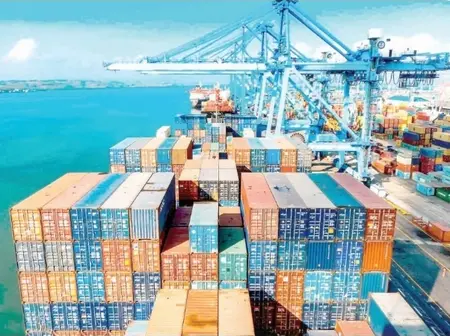
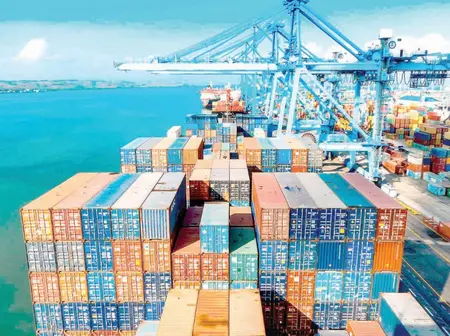
    The Port of Mombasa has recorded impressive growth in cargo handling, strengthening its position as one of the most important trade gateways in East and Central Africa.

    The latest figures from the Kenya Ports Authority show that cargo throughput at the country's busiest seaport reached a record 45.45 million metric tonnes in 2025, representing a 10 per cent increase compared to the 40.99 million tonnes handled in 2024.

    The growth highlights increasing demand for the port's services as Kenya continues to serve neighbouring landlocked countries, including Uganda, Rwanda, Burundi and the Democratic Republic of Congo.

    Container traffic also registered significant improvement, rising by 5.5 per cent to reach 2.11 million twenty-foot equivalent units, compared to approximately 2 million TEUs recorded in 2024.

    Transit cargo experienced even stronger growth, increasing by 19.5 per cent to reach 15.88 million tonnes, demonstrating the port's growing importance in facilitating regional trade.

    To accommodate the increasing volumes, KPA has embarked on an ambitious infrastructure expansion and modernisation programme.

    One of the major projects is the construction of berth 19B, which is being developed at a cost of KSh19 billion.

    The 240-metre facility is expected to increase the port's annual handling capacity by 300,000 TEUs.

    The authority is also investing KSh41.1 billion in port facilities at the Dongo Kundu Special Economic Zone, where seven berths and associated yards are planned.

    Additionally, an KSh8.3 billion road infrastructure project is underway to improve connectivity and ease congestion around the port.

    KPA has also introduced digital systems and automated gates to improve efficiency, reduce delays and accelerate cargo movement.

    However, the rising cargo volumes have also raised concerns among industry players about congestion, operational costs and the need for additional transport infrastructure.

    The developments underline the importance of continued investment in Kenya's maritime sector as Mombasa strengthens its position as a major regional logistics and commercial hub.

    Sources;

    https://peopledaily.digital/business/mombasa-port-cargo-hits-40-million-tonnes-as-container-traffic-rises?fbclid=IwY2xjawVvllxleHRuA2FlbQIxMQBwZG9mBXNydGMGYXBwX2lkDDM1MDY4NTUzMTcyOAABH4cE5bPS9VKyy50Q4wtF_DYWZXvORldPoo8WPuqKhS9CrdGKFOhy5xBM3U6R_aem_IUrMVxR-ODBDnRGCMcRsCQ

  • How to Start Airbnb Business in Nairobi Without Owning Property Using Rental Arbitrage

    How to Start Airbnb Business in Nairobi Without Owning Property Using Rental Arbitrage

    PAY ATTENTION:TUKO is in WhatsApp Channels now! Subscribe and read news in your favourite messenger.

    Entrepreneurs in Nairobi can enter the short-stay accommodation market without owning property through a model called rental arbitrage.

    Airbnb business in Nairobi.

    This involves leasing an apartment on a long-term contract, furnishing it to hotel standard, and re-letting it on platforms such as Airbnb or Booking.com at nightly rates.

    The model differs from co-hosting, where an operator manages another person's listed property for a fee of roughly 15–25% of revenue, and from full property management contracts.

    Rental arbitrage offers greater income potential but demands significantly more upfront capital and carries fixed monthly costs regardless of occupancy.

    Safaricom clarifies what to do after receiving M-Pesa prompt: "Jikinge"

    PAY ATTENTION:TUKO is in WhatsApp Channels now! Subscribe and read news in your favourite messenger.

    Operating a short-let unit in Nairobi is legal but heavily regulated. Landlord consent is the first and most critical requirement.

    You should get a written lease clause explicitly permitting short-stay subletting, as a verbal agreement or ambiguous contract is insufficient and risks eviction.

    Building management or residents' associations must also approve the arrangement, as some compounds carry bylaws that prohibit short-term rentals.

    Kenya Power flags poster selling prepaid meters for KSh 4,000

    Beyond landlord permission, operators must obtain a Unified Business Permit from Nairobi County, costing roughly KSh 10,000 to KSh 30,000 annually, and register with the Tourism Regulatory Authority (TRA) under the 2025 regulations.

    A TRA licence for a single serviced apartment costs KSh 1,000 to apply and KSh 12,000 per year, and the licence number must appear on both the Airbnb listing and at the property.

    A 2% tourism levy on gross short-stay revenue, introduced in 2026, must also be remitted to the Tourism Fund.

    Nairobi rental arbitrage is work-intensive and capital-intensive, but with careful planning it can yield returns.

    The conservative path is to start with one unit (or even just co-host first), learn the ropes, ensure compliance, and only then replicate if profitable.

    No unit on its own is a gold mine in Nairobi; operators report modest net profits per flat.

    Startup capital for a single one-bedroom unit in an area such as Westlands and Kilimani ranges from roughly KSh 800,000 for a basic setup to over KSh 1.5 million for a mid-range fit-out.

    That figure covers a lease deposit, furnishing, soft goods, photography, permits and three months of operating reserves. Working capital is frequently underestimated; without a cash buffer, a slow launch period can end the venture before it gains momentum.

    Kenyans advise Saudi returnee earning KSh 70k on best business ideas, suggest several

    Nairobi-wide average occupancy sits at approximately 26%, with Westlands recording around 32% and an average daily rate of roughly KSh 7,100.

    A realistic base-case projection for a one-bedroom unit, with an average daily rate of KSh 8,000 and 50% occupancy, produces monthly gross revenue of around KSh 120,000 against costs of approximately KSh 92,000, leaving a net of roughly KSh 28,000.

    Single-unit margins are described by analysts as thin, with scale across five or more units needed to absorb seasonal gaps.

    She advised prospective hosts to begin with the numbers rather than the apartment search.

    She recommended co-hosting or managing an existing property as a lower-risk starting point before committing capital to a lease.

    Source: TUKO.co.ke

  • Nairobi Expressway Records Sh5.1 Billion Loss Despite Collecting Billions in Toll Fees

    Nairobi Expressway Records Sh5.1 Billion Loss Despite Collecting Billions in Toll Fees

    Why other East Africans should celebrate the Nairobi Expressway | Nation

    The Nairobi Expressway operator recorded a loss of approximately KSh5.1 billion in 2025 despite collecting more than KSh9.6 billion in revenue, according to financial figures reported by the National Treasury.

    The figures show that Moja Expressway Company Limited generated KSh9.63 billion in revenue between January and December 2025. However, its direct costs reached KSh14.73 billion, leaving a deficit of about KSh5.1 billion.

    The financial information was included in the Treasury's report on the performance of public-private partnership projects in Kenya.

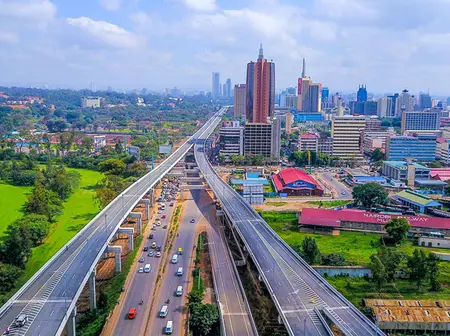
    The development has renewed discussion about the cost of operating the 27.1-kilometre highway, which connects Mlolongo to James Gichuru Road in Nairobi.

    Business Daily reported that the company's losses widened despite increased traffic on the road.

    The issue has also attracted attention from Treasury Cabinet Secretary John Mbadi. He said the project's financial performance required closer examination, particularly the rise in direct costs.

    President William Ruto's economic adviser, David Ndii, separately argued that large infrastructure projects often take years to recover their investment because of financing costs and debt repayments.

    The government has maintained that the expressway operates under a public-private partnership arrangement, with the private operator responsible for running the facility during the concession period.

    The latest figures do not, by themselves, establish the exact reasons for the 2025 loss. A detailed breakdown of the costs would help explain how the operator's expenditure increased.

    The financial debate comes as Kenya continues to use public-private partnerships to attract private investment into major infrastructure projects.

  • Kenya Begins Commercial Oil Drilling in Turkana, Targets First Exports in 2027

    Kenya Begins Commercial Oil Drilling in Turkana, Targets First Exports in 2027

    Tullow sells Kenyan interests to influential local trader Gulf Energy | African Energy

    Kenya has taken a major step towards commercial oil production after drilling began at the Amosing oil field in Turkana County.

    The drilling programme officially started on November 20, 2026, during a ceremony attended by Energy Cabinet Secretary Opiyo Wandayi and other government officials.

    The project is being undertaken by Gulf Energy in the South Lokichar Basin. It covers four oil fields: Amosing, Ngamia, Twiga and Ekales.

    According to reports from the launch, the government is targeting the first oil production on December 1, 2026. The first export shipment is expected to leave Kenya in March 2027.

    Kenya News Agency reported that the company plans to begin with approximately 20,000 barrels of crude oil per day. The output is expected to increase as the project develops.

    The crude oil will initially be transported by road to Mombasa for export. Kenya News Agency reported that 600 trucks are expected to be contracted for transportation, with 400 places reserved for transporters from communities near the oil-producing areas.

    The development follows years of exploration and preparations since oil was discovered in Turkana in 2012.

    If the production and export targets are achieved, Kenya will move closer to becoming a commercial crude oil exporter.

    However, the December production date and March export date remain targets, and actual progress will depend on the project's implementation.

  • Mombasa Port cargo hits 40 million tonnes as container traffic rises

    Mombasa Port cargo hits 40 million tonnes as container traffic rises

    Mombasa Port cargo hits 40 million tonnes as container traffic rises

    The Port of Mombasa has handled more than 40 million tonnes of cargo in the first 10 months of 2026, as Kenya records growth in trade passing through its major seaports.

    In a post shared on its X account on Sunday, November 22, 2026, the Kenya Ports Authority (KPA) reported that cargo handled at the Ports of Mombasa and Lamu increased by 7.5 per cent between January and October 2026 compared with the same period in 2025.

    Total cargo throughput rose to 40.08 million metric tonnes, up from 37.29 million metric tonnes recorded during the corresponding period in 2025.

    ““The Authority recorded significant growth between January and October 2026 compared to the same period in 2025,” the statement said.

    Container traffic also increased, rising by 12 per cent to 1.97 million twenty-foot equivalent units (TEUs), compared with 1.76 million TEUs recorded in the first 10 months of last year.

    The increase in container traffic points to growing volumes of goods moving through Kenya’s maritime gateways, which serve local businesses and neighbouring countries that rely on the country’s transport network.

    KPA General Manager for Supply Chain Management Evelyn Shigoli, who represented Chief Executive Officer William Ruto at the KPA Corporate Golf Tournament Coast Circuit gala dinner, attributed the performance to investments in port infrastructure, modern equipment, improved efficiency and digital systems.

    She said the measures were aimed at improving service delivery and supporting further growth in cargo handling.

    The latest figures come after Mombasa Port received MV REN JIAN 15 in September, a container vessel carrying 3,710 containers for local and transit markets.

    According to KPA, the vessel docked at Berth 22, where it was scheduled to discharge 1,610 containers, load 400 full containers and take on 1,700 empty containers.

    Port of Mombasa, where six oil tankers are expected to dock in the next 14 days. PHOTO/

    The vessel’s arrival highlighted Mombasa’s role in handling goods destined for Kenya and the wider East African hinterland, including landlocked countries that depend on the port to access international markets.

    KPA attributed the growth in cargo and container volumes to continued investment in infrastructure, equipment modernisation and digital transformation.

    The authority said the performance reflected continued confidence among shipping lines, importers, exporters and regional transit cargo customers.

    The figures were announced during the closing events of the KPA Corporate Golf Tournament Coast Circuit, which attracted more than 150 golfers from clubs across the country.

    Priscilla Mutashi emerged as the overall winner with 43 points, while Ferry Services Manager Paul Koech won the staff category with 40 points.

  • Watamu MCA Splashes KSh5,000 on Deaf Community Members in Malindi as Details Emerge

    Watamu MCA Splashes KSh5,000 on Deaf Community Members in Malindi as Details Emerge

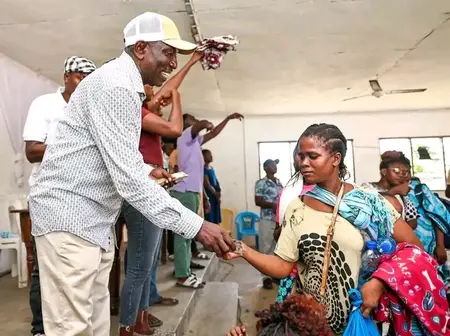
    The initiative targets members of the deaf community, providing them with financial assistance to establish small businesses and improve their economic well-being.

    According to the details shared, each beneficiary received KSh5,000 as startup capital, bringing the total amount distributed to more than KSh1.25 million.

    The financial support is expected to help the beneficiaries venture into different income-generating activities, depending on their business interests and plans.

    The engagement also highlighted the importance of including persons with disabilities in economic empowerment programmes, particularly at the grassroots level.

    Many people living with disabilities continue to face challenges accessing employment opportunities and financial resources needed to establish businesses. Such initiatives provide an opportunity for beneficiaries to pursue self-employment and work towards financial independence.

    Matumbo's meeting with the group in Malindi brought together more than 250 members of the deaf community, with the financial assistance forming the central part of the engagement.

    The beneficiaries are expected to use the money to start or develop small enterprises that can provide them with a source of income.

    The initiative has also drawn attention to the need for leaders to support programmes that promote inclusion and economic participation among persons with disabilities.

    Through the KSh5,000 support, the beneficiaries have received an opportunity to take steps towards entrepreneurship and improving their livelihoods.