Category: Economy&Finance

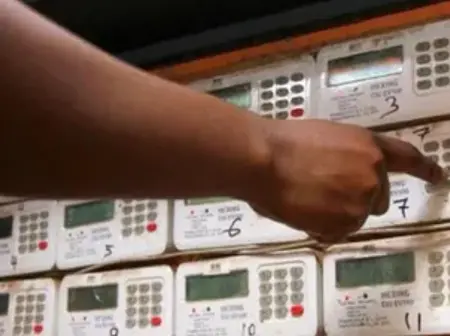
  • EPRA Announces Fresh Electricity Charges as Kenyans Face KSh4.56 More Per Unit in November

    EPRA Announces Fresh Electricity Charges as Kenyans Face KSh4.56 More Per Unit in November

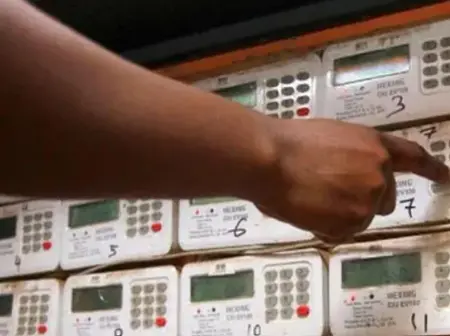
    The latest changes will add approximately KSh4.56 for every kilowatt-hour (unit) of electricity consumed, increasing the cost of purchasing Kenya Power tokens and paying electricity bills.

    In notices published in the Kenya Gazette on Friday, November 20, EPRA announced a fuel energy cost charge of KSh3.54 per unit, a foreign exchange fluctuation adjustment of KSh1.0031 and a water resource management levy of KSh0.013606 per unit.

    Combined, the three charges amount to KSh4.556706 per kilowatt-hour, which rounds off to approximately KSh4.56.

    The adjustments apply to the relevant electricity meter readings taken during November 2026.

    The fuel energy cost charge accounts for the largest portion of the additional costs. EPRA set it at 354 cents, equivalent to KSh3.54 per unit, to recover expenses associated with fuel used in electricity generation.

    The charge is particularly linked to thermal power stations, which rely on diesel and other petroleum products to generate electricity.

    Although Kenya generates power from several sources, including geothermal, hydroelectric, wind and solar, thermal plants remain part of the electricity supply system.

    Their operating costs fluctuate depending on fuel prices, electricity demand and the amount of power required from these facilities.

    EPRA explained that the November adjustment was made under Clause 1 of Part III of the Schedule of Tariffs 2023.

    The regulator stated that all electricity prices specified in the tariff schedule would attract an additional fuel energy cost charge of 354 Kenya cents per kilowatt-hour for November meter readings.

    The second adjustment concerns foreign exchange fluctuations, which affect the cost of electricity supplied by companies with financial obligations denominated in foreign currencies.

    EPRA set the foreign exchange fluctuation adjustment at KSh1.0031 per unit.

    The adjustment takes into account currency-related costs and financial movements affecting major electricity sector players, including Kenya Power, the Kenya Electricity Generating Company (KenGen) and independent power producers.

    When the Kenyan shilling fluctuates against foreign currencies, electricity companies can experience changes in the cost of meeting their contractual and financial obligations.

    These variations are reflected in the monthly adjustments approved by the regulator.

    The third charge is the Water Resource Management Authority (WRMA) levy, which stands at KSh0.013606 per kilowatt-hour.

    Unlike the fuel charge, this levy is linked to electricity purchased from qualifying hydropower stations with an installed generation capacity of at least one megawatt.

    EPRA reported that 314.19 million units of electricity were purchased from qualifying hydropower stations in October 2026. The amount of electricity purchased formed part of the basis for calculating the levy applicable to November meter readings.

    The three adjustments mean that consumers will incur approximately KSh4.56 in these additional charges for every unit consumed, on top of the applicable electricity tariff and other billing components.

    For instance, a household consuming 50 units would incur approximately KSh227.84 in the three adjustments, while a customer using 100 units would face approximately KSh455.67.

    The actual amount appearing on an electricity bill will depend on consumption, the applicable tariff category and other charges and taxes.

    The latest announcement comes amid growing concerns over electricity affordability, with consumers having faced other monthly tariff adjustments in recent months.

    In October 2026, EPRA announced additional charges totalling approximately KSh4.10 per unit, comprising a KSh3.22 fuel energy cost charge, an 87-cent foreign exchange adjustment and a KSh0.0134 water resource management levy.

    Earlier adjustments also affected September and August electricity costs.

    The latest changes nevertheless mean that electricity consumers will have another set of additional costs to account for when purchasing tokens or settling their November power bills.

    Source
  • Kenya Contracts Seven External Loan Agreements Between May and August 2026

    Kenya Contracts Seven External Loan Agreements Between May and August 2026

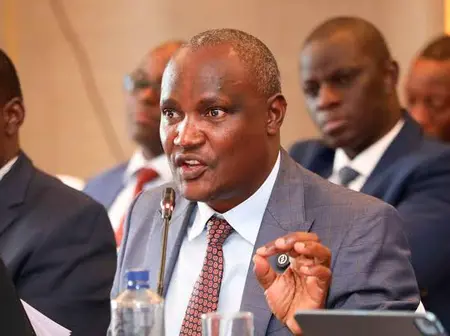
    State borrows Sh233bn in four months as debt rises | Daily Nation

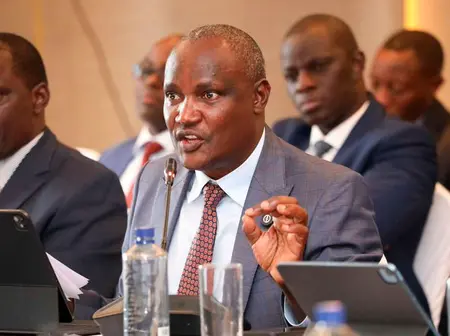
    The disclosed agreements—drawn from multilateral and bilateral lenders to support budgetary requirements and development programmes—equate to an average of roughly Sh58.34 billion per month, or about Sh1.94 billion daily across the period.

    The figures arrive as lawmakers and citizens weigh public debt accumulation, debt-servicing obligations, and fiscal space ahead of the August 10, 2027 General Election.

    In Kenya’s pre-election political arena, external borrowing figures frequently become a flashpoint as opposition leaders scrutinize state spending and living costs while government allies point to infrastructure, agriculture, and budget stabilization.

    Observers note that parliamentary scrutiny of debt disclosures helps keep borrowing terms and project links transparent, even as debates over fiscal trade-offs intensify in the campaign season.

    At the same time, balancing debt sustainability with public service delivery and development commitments remains a central challenge for economic managers.

    With less than nine months remaining before Kenyans head to the ballot box on August 10, 2027, how public debt and economic management feature in campaign narratives will remain closely watched.

    https://x.com/NationAfrica/status/2124576676374016046?a=csv2m5jdTyIuWwrcy34&s=20

  • From Sugarcane to Rice? What Wetang’ula Just Warned Could Happen If Nzoia Land Is Converted

    From Sugarcane to Rice? What Wetang’ula Just Warned Could Happen If Nzoia Land Is Converted

    Wetang’ula warns against plans to turn Nzoia sugar farm into rice fields

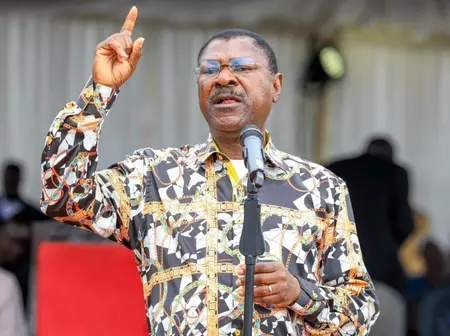
    Speaking on Monday, November 23, 2026, during an official ceremony to disburse bonus payments to Nzoia Sugar farmers in Bungoma County, Wetang’ula dismissed suggestions that sections of the miller’s nucleus farmland could be repurposed for rice cultivation.

    He emphasized that sugarcane farming remains the economic backbone of Bungoma and neighbouring counties, supporting thousands of outgrower households, factory workers, and local businesses.

    The Speaker’s remarks coincided with the disbursement of a Sh195 million bonus payout to contracted growers—double the previous bonus allocation—signalling renewed momentum in the state-led turnaround of the Western Kenya sugar sub-sector.

    Following the government’s leasing of the formerly troubled miller to private investor West Kenya Sugar Company in May 2025, Nzoia Sugar has undergone equipment rehabilitation that resumed crushing operations in January 2026 and enabled farmers to receive cane payments within seven days.

    Agriculture Principal Secretary Paul Ronoh, who also attended the event, noted that national sugar output across Kenya’s 17 factories has nearly doubled to almost 900,000 metric tonnes annually, helping stabilize domestic supply and lower retail sugar prices.

    Wetang’ula argued that diverting Nzoia’s nucleus estate toward alternative crops such as rice would undermine raw material supply just as milling efficiency and farmer confidence are rebounding.

    He urged growers to expand cane acreage and take advantage of prompt weekly payments and bonus incentives, reiterating that protecting Nzoia Sugar’s land and core mandate is vital to sustaining long-term agricultural prosperity across the region.

    What are your thoughts about this article? Share your reactions in the comment section and don't forget to share and follow for more updates.

    https://peopledaily.digital/news/wetangula-warns-against-plans-to-turn-nzoia-sugar-farm-into-rice-fields

  • Kenya’s Growing Debt Burden: Sh233 Billion Borrowed in Four Months

    Kenya’s Growing Debt Burden: Sh233 Billion Borrowed in Four Months

    Kenya’s borrowing has come under fresh scrutiny after it emerged that the State borrowed KSh233 billions in four months, adding to concerns over the country’s rising debt burden.

    The figure has renewed debate about the government’s reliance on loans and what growing debt means for ordinary Kenyans. Borrowing can help a government meet spending needs and support development plans, but it also creates obligations that must be repaid. The key concern is whether the money is being used carefully and whether it will deliver benefits that justify the cost.

    The report has drawn criticism from members of the public, with one social media user questioning the government’s message to citizens about having an agenda for the country. The user argued that continued borrowing should be part of the public debate, particularly when leaders speak about their plans and priorities.

    For many households, the issue is not simply the size of the debt figure. It is how borrowing may affect the country’s financial choices in the years ahead. Debt repayment can strain public resources, making transparency and accountability important whenever new loans are taken out.

    The government faces the task of explaining why the borrowing was necessary and where the funds are going and what results Kenyans should expect. Clear information would help the public assessments whether the loans are supporting progress or adding to the country’s financial burden.

  • Ruto Makes a Bold 2027 Promise to Nzoia Sugar Farmers, Reveals What They Should Expect

    Ruto Makes a Bold 2027 Promise to Nzoia Sugar Farmers, Reveals What They Should Expect

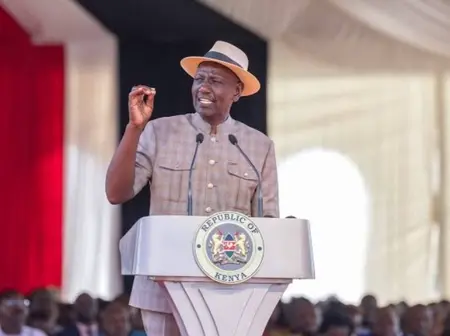
    Speaking to the farmers, Ruto expressed confidence in his promise and insisted that he meant every word. His remarks appeared to offer hope to sugarcane growers, many of whom have been looking forward to better returns from their hard work.

    "2027 bonus itakuwa double ya ile mmepata mwaka huu; I mean what I say!" Ruto declared, sending an encouraging message to the farmers.

    The promise comes at a time when the sugar industry remains an important source of income for thousands of households, particularly in the western region of Kenya. For many families, sugarcane farming is more than just an economic activity. It helps them pay school fees, meet household expenses and invest in their children's future.

    Consequently, any announcement involving better payments or increased bonuses is likely to attract considerable attention from farmers. An increase in bonuses could provide growers with additional income and motivate them to continue investing in sugarcane production.

    Ruto's remarks also highlight the government's continued focus on the sugar sector, which has experienced several challenges over the years. Farmers have frequently raised concerns about delayed payments, production costs and the need for better returns from their produce.

    However, the President's latest assurance has created fresh expectations among Nzoia sugarcane farmers. They will now be looking forward to seeing whether the promised increase will materialise when the 2027 bonus payments are made.

    If fulfilled, the pledge could offer farmers an opportunity to improve their financial position and enjoy better rewards for their efforts. It could also strengthen confidence in the sugar industry, especially among growers who have remained committed to cane farming despite the difficulties.

    Nevertheless, farmers will be keen to see the practical steps that will be taken to turn the President's words into reality. For now, Ruto's promise has given Nzoia sugarcane growers something significant to look forward to as they await 2027.

    The big question is whether the promised double bonus will eventually match the expectations created by the President's announcement.

    https://www.facebook.com/reel/2300226570520583/?app=fbl

  • Ruto Promises Nzoia Sugarcane Farmers Double Bonus in 2027, Declares ‘I Mean What I Say’

    Ruto Promises Nzoia Sugarcane Farmers Double Bonus in 2027, Declares ‘I Mean What I Say’

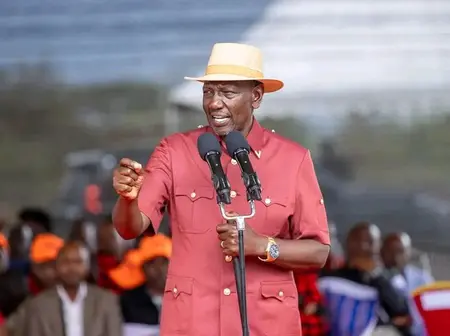
    Speaking while addressing farmers, the Head of State expressed confidence in the government's efforts to improve the sugar industry and increase earnings for sugarcane growers.

    Ruto assured farmers that they should expect better returns from their produce, saying the bonus payment next year would be twice the amount received in 2026.

    "2027 bonus itakuwa double ya ile mmepata mwaka huu; I mean what I say!" Ruto declared.

    His remarks were met with excitement among farmers, who have been looking forward to improved payments and better financial returns from sugarcane farming.

    The President's promise comes amid ongoing efforts to revive Kenya's sugar sector, which has faced several challenges, including delayed payments to farmers, factory management problems and competition from imported sugar.

    Nzoia Sugar Company is among the country's major state-owned sugar factories and serves thousands of farmers who depend on sugarcane production for their livelihoods.

    Ruto's announcement is likely to raise expectations among farmers, particularly those who rely on the factory for the purchase and processing of their sugarcane.

    However, farmers will be keen to see how the promised increase will be implemented and whether the government will meet its commitment when the 2027 bonus payments are announced.

    The President's remarks have placed renewed attention on the future of Nzoia Sugar Company and the government's plans to improve the welfare of sugarcane farmers.

  • NCBA Launches KES 500,000 Grand Prize Campaign to Boost NCBA NOW App Usage

    NCBA Launches KES 500,000 Grand Prize Campaign to Boost NCBA NOW App Usage

    thumbnail

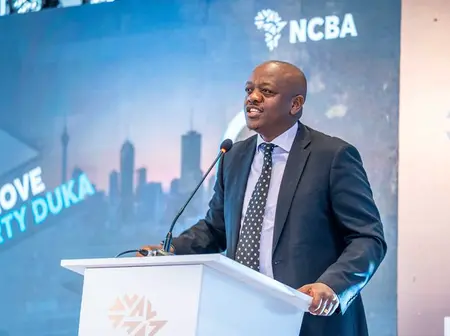
    NCBA Bank has launched a three-month customer incentive campaign on its NCBA NOW App, offering weekly cash rewards of KES 20,000 and a grand prize of KES 500,000 as the bank accelerates digital banking adoption and grows transactional activity.The campaign comes amid growing preference for digital banking in Kenya, with mobile banking the most preferred channel for 60.1% of customers, according to the Kenya Bankers Association’s (KBA) 2025 Banking Customer Satisfaction Survey.

  • EPRA Announces KSh4.56 Extra Charge per Unit of Electricity in November

    EPRA Announces KSh4.56 Extra Charge per Unit of Electricity in November

    The three charges add up to KSh4.5567 per unit of electricity consumed. The fuel charge helps cover the cost of fuel used to generate electricity, especially at thermal power plants that rely on diesel.

    The foreign exchange adjustment covers gains and losses caused by changes in currency exchange rates. These changes affect electricity companies, including Kenya Power, KenGen and independent power producers. EPRA reported that the companies recorded foreign exchange gains of about KSh1.16 billion in October.

    The WRMA levy applies to electricity purchased from qualifying hydropower stations with a generation capacity of at least one megawatt. EPRA said 314.19 million units were purchased from these stations in October, forming the basis for the November levy.

    The latest charges come after electricity prices increased by KSh4.10 in October. Consumers also faced increases of KSh4.16 in September and KSh4.70 in August, adding to concerns over the rising cost of electricity and living expenses.

    Link source:https://www.facebook.com/share/p/19Si7SFkpX/

  • Nairobi’s Kilimani Set to Transform With Over 1,000 New Apartments as Developers Reveal Plans

    Nairobi’s Kilimani Set to Transform With Over 1,000 New Apartments as Developers Reveal Plans

    thumbnail

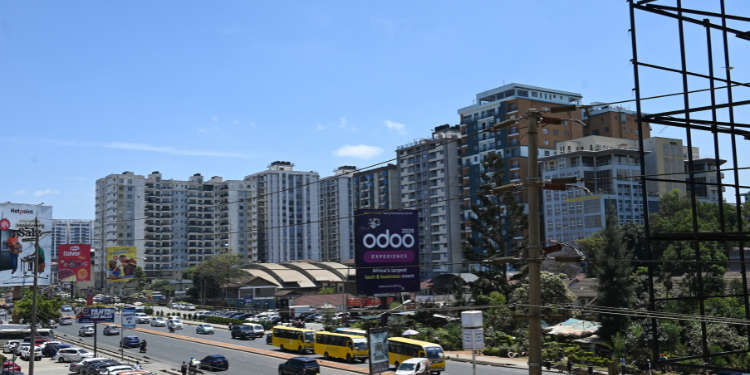
    Nairobi’s Kilimani neighbourhood could see the rise of more than 1,000 additional apartments after two developers proposed major residential and mixed-use projects along Argwings Kodhek Road, Kilimani Road and Ngong Road.Details published in the Kenya Gazette Volume CXXVIII-No. 207 dated November 20, 2026, show that the National Environment Management Authority (NEMA) received Environmental and Social Impact Assessment (ESIA) reports for the proposed developments.

  • KRA Waives KSh64.39 Billion in Tax Penalties for Nearly One Million Taxpayers

    KRA Waives KSh64.39 Billion in Tax Penalties for Nearly One Million Taxpayers

    KRA Announces Paid Internship Opportunities For Graduates

    In an update issued on November 23, 2026, KRA said 984,489 taxpayers had benefited from the programme by November 16.

    The authority also reported that taxpayers had paid KSh29.1 billion in outstanding principal tax during the same period.

    The relief is part of the 2026 Tax Amnesty Programme, which allows eligible individuals and businesses to settle qualifying tax debts without paying the related penalties, interest and fines.

    However, the programme does not cancel the original tax owed. Taxpayers with outstanding principal amounts must pay the qualifying balance in full by December 31, 2026, to receive the applicable relief.

    KRA says the amnesty covers eligible tax liabilities relating to periods ending on or before December 31, 2025.

    The process is automated through the iTax system. Taxpayers do not need to make a separate application where they meet the programme's conditions.

    Those with outstanding tax obligations can check their accounts through the official iTax portal or contact KRA for clarification.

    The December deadline is important for individuals and businesses seeking to regularise their tax records. Anyone considering the programme should first confirm which liabilities qualify and the amount of principal tax that remains payable.

    The latest figures show the scale of participation, but eligibility is assessed according to each taxpayer's circumstances and the rules of the programme.