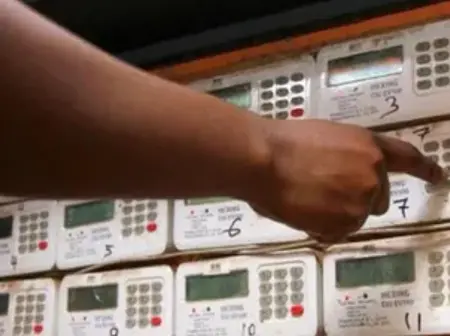
The latest changes will add approximately KSh4.56 for every kilowatt-hour (unit) of electricity consumed, increasing the cost of purchasing Kenya Power tokens and paying electricity bills.
In notices published in the Kenya Gazette on Friday, November 20, EPRA announced a fuel energy cost charge of KSh3.54 per unit, a foreign exchange fluctuation adjustment of KSh1.0031 and a water resource management levy of KSh0.013606 per unit.
Combined, the three charges amount to KSh4.556706 per kilowatt-hour, which rounds off to approximately KSh4.56.
The adjustments apply to the relevant electricity meter readings taken during November 2026.
The fuel energy cost charge accounts for the largest portion of the additional costs. EPRA set it at 354 cents, equivalent to KSh3.54 per unit, to recover expenses associated with fuel used in electricity generation.
The charge is particularly linked to thermal power stations, which rely on diesel and other petroleum products to generate electricity.
Although Kenya generates power from several sources, including geothermal, hydroelectric, wind and solar, thermal plants remain part of the electricity supply system.
Their operating costs fluctuate depending on fuel prices, electricity demand and the amount of power required from these facilities.
EPRA explained that the November adjustment was made under Clause 1 of Part III of the Schedule of Tariffs 2023.
The regulator stated that all electricity prices specified in the tariff schedule would attract an additional fuel energy cost charge of 354 Kenya cents per kilowatt-hour for November meter readings.
The second adjustment concerns foreign exchange fluctuations, which affect the cost of electricity supplied by companies with financial obligations denominated in foreign currencies.
EPRA set the foreign exchange fluctuation adjustment at KSh1.0031 per unit.
The adjustment takes into account currency-related costs and financial movements affecting major electricity sector players, including Kenya Power, the Kenya Electricity Generating Company (KenGen) and independent power producers.
When the Kenyan shilling fluctuates against foreign currencies, electricity companies can experience changes in the cost of meeting their contractual and financial obligations.
These variations are reflected in the monthly adjustments approved by the regulator.
The third charge is the Water Resource Management Authority (WRMA) levy, which stands at KSh0.013606 per kilowatt-hour.
Unlike the fuel charge, this levy is linked to electricity purchased from qualifying hydropower stations with an installed generation capacity of at least one megawatt.
EPRA reported that 314.19 million units of electricity were purchased from qualifying hydropower stations in October 2026. The amount of electricity purchased formed part of the basis for calculating the levy applicable to November meter readings.
The three adjustments mean that consumers will incur approximately KSh4.56 in these additional charges for every unit consumed, on top of the applicable electricity tariff and other billing components.
For instance, a household consuming 50 units would incur approximately KSh227.84 in the three adjustments, while a customer using 100 units would face approximately KSh455.67.
The actual amount appearing on an electricity bill will depend on consumption, the applicable tariff category and other charges and taxes.
The latest announcement comes amid growing concerns over electricity affordability, with consumers having faced other monthly tariff adjustments in recent months.
In October 2026, EPRA announced additional charges totalling approximately KSh4.10 per unit, comprising a KSh3.22 fuel energy cost charge, an 87-cent foreign exchange adjustment and a KSh0.0134 water resource management levy.
Earlier adjustments also affected September and August electricity costs.
The latest changes nevertheless mean that electricity consumers will have another set of additional costs to account for when purchasing tokens or settling their November power bills.
Source
Leave a Reply