Category: Health

  • Govt orders removal of paybills from public hospitals in SHA enforcement drive

    Govt orders removal of paybills from public hospitals in SHA enforcement drive

    Govt orders removal of paybills from public hospitals in SHA enforcement drive

    The Government has directed compliance officers to remove payment paybills from public hospitals across Kenya, warning health facilities against demanding additional payments from patients whose treatment is covered under the Social Health Authority (SHA).

    The directive was issued by the Principal Secretary for Health Dr. Ouma Oluga, during an engagement with health officials in Vihiga County, where he instructed SHA compliance officers to inspect public hospitals and ensure that payment paybills were removed.

    In a video shared by the State Department for Medical Services on Saturday, November 21, 2026, the PS authorised the officers to undertake the exercise across the county, assuring them of security support during enforcement.

    “Na uangalie kama wameweka paybill kwa hiyo hospitali. Na ung’oe hiyo paybill. Nimekupatia ruhusa ya kung’oa paybill,” the PS told a SHA compliance officer in Vihiga.

    Principal Secretary for Health Dr. Ouma Oluga. PHOTO/@fnoluga/X

    “Eh, nimekupatia ruhusa ya kung’oa paybills kwa the entire county,”He subsequently extended the instruction beyond the individual facility, telling the officer.

    In a separate exchange, he directed compliance officers to inspect every public hospital and remove the payment channels.

    “Remove those things called paybills,” he instructed, adding that the officers would receive security support to carry out the exercise.

    The PS said requiring patients to make substantial out-of-pocket payments could undermine the purpose of SHA, particularly for low-income households that depend on small businesses for their livelihoods.

    Using the example of women operating small food businesses in Vihiga markets, he explained that some traders have very limited working capital and could lose their businesses if required to pay large hospital bills.

    He illustrated the situation using a trader whose entire business capital was less than Ksh30,000.

    “Now you can imagine when that woman comes to the hospital, you want to put for her a paybill to pay 50,000. You are closing the business,” he said.

    He argued that hospitals should contribute to improving people’s economic and social wellbeing rather than pushing households further into poverty.

    “So the hospital then is now contributing to poverty in the society,” he said.

    The PS urged hospitals to encourage members to maintain their SHA contributions so that the authority could meet the cost of eligible healthcare services.

    “Please, the little money that woman is getting, she’d rather pay 10,000 or 20,000 to SHA and come here and SHA pays you the 200,000,” he said.

    He also outlined three important responsibilities of hospitals: providing quality healthcare, supporting training and research, and improving population health.

    The PS said county commissioners had been informed about the exercise and would accompany enforcement officers during inspections.

    He maintained that patients should receive covered services without being asked to make additional payments.

    The directive places public hospitals and SHA compliance teams at the centre of efforts to strengthen implementation of the new health financing system.

    However, the video did not provide a nationwide implementation timetable, specify penalties for hospitals that retain paybills or clarify how the directive will address services and charges not covered by SHA.


  • Kenyan lady who has had HIV since childhood shares how she married an HIV-negative man

    Kenyan lady who has had HIV since childhood shares how she married an HIV-negative man

    thumbnail

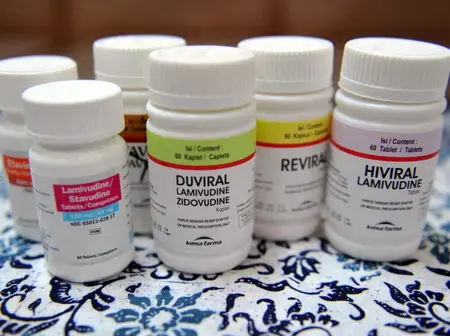
    Gloria Migare, a Kenyan woman who has lived with HIV since childhood, has opened up about her journey of growing up on antiretroviral medication, becoming a mother while in secondary school and eventually marrying a man who is HIV-negative.Speaking during an interview with Lofty Matambo on the evening of Saturday, November 21, 2026, Migare recounted how she was diagnosed with HIV after repeatedly falling ill with tuberculosis, revealing that she began taking antiretroviral drugs when she was just two years old.

  • Hope for millions living with types 1 & 2 diabetes as researchers explore new treatments

    thumbnail

    What you need to know:In 2026, over 830 million people worldwide are estimated to live with diabetes – more than ever before.Most live in low- and middle-income countries, and over 90 per cent live with Type 2 diabetes, a condition where the body cannot use insulin properly.

  • Inside Kenya’s new cancer rules seeking to stop patients from running out of SHA cover mid-treatment

    Inside Kenya’s new cancer rules seeking to stop patients from running out of SHA cover mid-treatment

    Inside Kenya’s new cancer rules seeking to stop patients from running out of SHA cover mid-treatment

    Cancer treatment in Kenya has long carried a double burden for patients: the devastating toll of the disease and the financial and systemic hurdles that stand between them and timely medical care.

    The Ministry of Health has unveiled the National  Cancer Treatment Guidelines 2026, marking the first major revision of the country’s cancer treatment protocols since 2019.

    Health Cabinet Secretary Aden Duale Speaking on Saturday, November 14, 2026, during the MAA Cultural and Tourism Festival at Sekenani Gate in Narok County.PHOTO/screengrab by People daily digital/@WilliamsRuto/X

    The new guidelines seek to standardise cancer care across the country, strengthen patient protection and improve access to specialised treatment, with nearly 45,000 Kenyans diagnosed with cancer annually.

    The reforms also introduce stricter timelines for diagnosis and treatment while linking cancer care directly to the Social Health Authority’s (SHA) digital oncology module to improve accountability in the management of the Ksh800,000 oncology benefit.

    Health Cabinet Secretary Aden Duale said the digital system would establish a unified patient record accessible across healthcare facilities, addressing fragmented care and duplication of medical records.

    “The cancer patient will have one unified oncology record across all facilities. For the benefit of the cancer patient in our country, we’ll eliminate duplicate records and we’ll eliminate fragmented care. We will have better coordination. There will be better management of even the Ksh800,000 oncology benefit. Because they must get safer treatment, specialist supervision and better patient outcomes,” Duale said.

    The Ksh800,000 oncology benefit has been a major point of concern among cancer patients, some of whom have complained of exhausting their insurance allocation before completing treatment.

    Patients have raised concerns over inflated hospital bills, unnecessary procedures and delays in the approval of treatment, forcing some to seek additional funds out of pocket.

    One cancer patient described the frustration of waiting for treatment only to discover that SHA had not approved the required services.

    “Mgonjwa anangoja. Amefika hospitali. Aambiwe ya kwamba sasa SHA imekata ku-approve tangu asubuhi hadi masaa ya jioni. Mtu umeketi tu hapo ukiwa na matumaini na mwisho unapata ya kwamba umekuwa frustrated,” the patient said.

    The Ministry of Health and SHA have consequently warned contracted healthcare facilities against practices that unnecessarily deplete patients’ allocated benefits.

    Officials say some hospitals have been accused of consuming patients’ allocations through unnecessary services before asking them to make additional payments despite having an active oncology benefit.

    The government says the new digital oncology module will help monitor treatment, improve accountability and ensure patients receive services covered under their benefits.

    Officials have also challenged healthcare facilities to justify their charges and ensure patients are not subjected to unnecessary medical procedures.

    SHA Chairman Abdi Mohamed said the authority had received complaints from patients concerning questionable billing practices, including charges for services that were allegedly never provided.

    “Patients are writing to us through me, but when you look at people who plead on behalf of daughters, consultation where there is not even a doctor and there was no consultation,” he said.

    He called for accountability in the healthcare system, urging stakeholders to establish clear alternatives when disagreements arise over the cost of treatment and approved charges.

    Beyond financing, the 2026 guidelines introduce strict timelines intended to reduce delays in cancer diagnosis and treatment.

    Under the new protocols:

    The timelines are intended to ensure patients move through the healthcare system faster, reducing the risk of advanced disease caused by prolonged waiting periods.

    The 2026 guidelines also incorporate medical advances that were not widely embedded in the inaugural 2019 protocols.

    The updated manual provides for modern cancer treatment approaches, including molecular profiling, targeted therapies and immunotherapies.

    These interventions are intended to improve the accuracy of diagnosis and enable specialists to select treatments based on the characteristics of individual cancers.

    The guidelines also expand paediatric cancer treatment protocols, providing dedicated pathways for the nearly 2,300 children and adolescents diagnosed annually.

    Under the new framework, children diagnosed with cancer must be referred to specialised centres of excellence within 14 days to facilitate access to appropriate treatment.

    The revised protocols also introduce guidance on managing oncological emergencies, including life-threatening complications such as sepsis and spinal cord compression.

    They establish mandatory safety standards for administering chemotherapy drugs, which require careful handling and specialist supervision because of their toxicity.

    Another major change is the integration of palliative care and pain management from the point of diagnosis rather than waiting until the final stages of the disease.

    The guidelines further introduce structured survivorship plans to support patients after completing treatment, addressing their long-term health and recovery needs.

    Kenya records more than 44,000 new cancer cases annually, with the disease remaining the country’s third-leading cause of death.

    The 2026 guidelines seek to address longstanding inequalities in cancer care by ensuring patients receive standardised treatment regardless of their geographical location or financial circumstances.

    However, their success will depend on implementation, including the availability of specialists, diagnostic equipment, medicines and functional referral systems across the country.

    For thousands of Kenyan families confronting a cancer diagnosis, the real measure of the new guidelines will be whether they translate into faster diagnosis, transparent hospital bills and uninterrupted access to treatment.

  • Kenya spends estimated KSh25 billion annually on HIV treatment

    Kenya spends estimated KSh25 billion annually on HIV treatment

    thumbnail

    Kenya spends an estimated KSh25 billion annually on HIV treatment, according to figures attributed to the National Syndemic Diseases Control Council (NSDCC), highlighting the financial and public health responsibility of managing an epidemic that has shaped the country’s healthcare system for more than four decades.

  • MTRH restricts locum and private work that conflicts with official duties

    MTRH restricts locum and private work that conflicts with official duties

    thumbnail

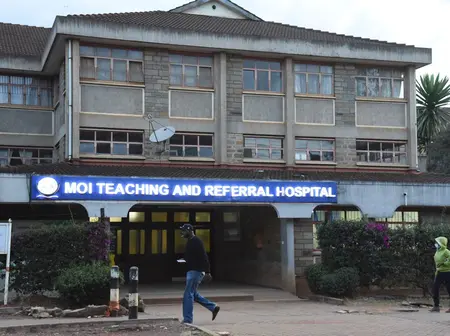
    Moi Teaching and Referral Hospital (MTRH) has directed doctors and nurses employed at the facility to stop undertaking locum engagements and private clinical work that interferes with their official duties.In an internal memo dated November 19, 2026, the hospital’s Chief Executive Officer instructed all doctors and nurses to comply immediately, warning against activities that conflict with their primary responsibilities at the Eldoret-based national referral hospital.

  • Why Are Stoma Bags Still Not Covered by SHA?

    Why Are Stoma Bags Still Not Covered by SHA?

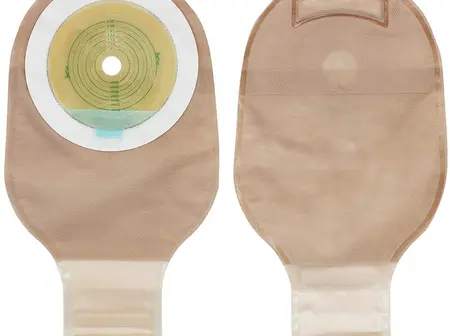
    For thousands of Kenyans, surviving surgery is only the beginning. An NTV Kenya Weekend Edition report has highlighted the plight of ostomy survivors who say they must pay up to Sh800 for a single stoma bag a cost not covered by the Social Health Authority (SHA).

    Many are forced to improvise with polythene bags, risking deadly infections. The report featured a survivor identified on screen as Nivea Ogutu.

    An ostomy is a surgical opening in the abdomen that allows waste to leave the body into a bag. It is often a life-saving procedure after conditions such as cancer.

    The bag, however, is a daily need. A person with a stoma typically uses one or two bags a day, and a single bag can cost between Sh800 and Sh1,500, according to Stoma World Kenya. For many families, that is a heavy burden.

    The consequences of going without are serious. Those who cannot afford bags have been known to use tissue paper, paper bags, sponge, pieces of cloth and even diapers.

    One survivor previously told a newspaper that he knew reusing bags could cause infections but had to choose between buying bags or food.

    Advocates say supply and pricing are part of the problem. Stoma bags are mostly imported and sold in select pharmacies and patient groups have complained that pharmacies set prices at will. Donations from abroad have helped, but they have also been held up by clearance delays and taxes.

    The gap in coverage is a wider concern. A 2022 taskforce noted that products essential to cancer treatment, such as stoma bags and related supplies, were not covered by NHIF.

    Patients now say the same problem has carried over to SHA. The scheme has also faced criticism over out-of-pocket costs, with patients saying they are still paying cash for care that is excluded or only partly covered.

    Survivors and advocates are calling for stoma supplies to be included in SHA's benefits package, along with tax relief and better access to specialised nursing care.

    Without such steps they argue the cost of staying healthy after surgery will keep pushing many to dangerous workarounds.

    Link; https://x.com/ntvkenya/status/2124220164270924138?a=H71yjOyf3dSotw4pE9g&s=19

  • Confusion as Man Celebrates HIV Positive Surgery

    Confusion as Man Celebrates HIV Positive Surgery

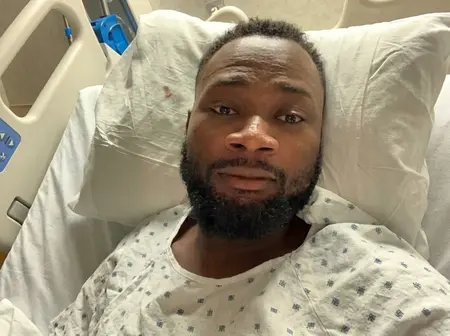
    A video shared by K24TV has set social media buzzing after a man in a hospital bed announced that his "HIV positive" surgery was successful.

    The clip shows him in a hospital gown and its caption reads "My 'HIV positive' surgery was successful." K24TV's post described the reaction online as confusion.

    The phrase has left many viewers puzzled. The term is in quotation marks which suggests it may carry a meaning other than the obvious one.

    The short clip does not explain it and K24TV directed readers to a full story for the details. Until the man or the medical team explains, it would be unwise to draw conclusions about his health or the procedure.

    The reaction shows how quickly health claims can spread on social media with little context. Cut-down videos can leave room for guesswork and any misreading of a condition as sensitive as HIV can feed stigma.

    What is established is that an HIV-positive status does not prevent someone from having surgery. In one case, an HIV-positive patient underwent a successful bilateral knee replacement.

    Medical teams also use extra precautions where needed. One study of two HIV-positive patients found that surgery could be done safely using post-exposure prophylaxis for staff in case of accidental exposure.

    Organ transplants are also possible kidney transplants for HIV-positive patients have been done in the United States since the early 2000s.

    Health advocates say people living with HIV deserve the same standard of care as anyone else. As one regulator put it after a delayed operation, a person with HIV deserves the same level of care and treatment as anyone else.

    For now, the man's own explanation or the full K24TV report, remains the best source for what the post meant. Readers are advised to wait for those details before sharing or commenting on his condition.

    Link; https://x.com/K24Tv/status/2124198960013226149?a=1JnvXaG1wpq3r3LGsUk&s=19

  • 11 Dead, Over 180 Hospitalised After Suspected Tainted Alcohol Outbreak in India

    11 Dead, Over 180 Hospitalised After Suspected Tainted Alcohol Outbreak in India

    At least 11 people have died, while more than 180 others have been hospitalised following an outbreak linked to suspected contaminated alcohol in India's northeastern state of Manipur.

    According to Manipur Chief Minister Yumnam Khemchand Singh, the victims became ill after consuming the suspected tainted alcohol. In a statement released on Friday, the Chief Minister confirmed that the death toll had risen to 11 within 48 hours.

    "Over 180 patients have been admitted to the two hospitals so far, while the death toll has reached 11 in the last 48 hours," the statement said.

    The affected individuals were rushed to two hospitals for emergency medical attention as health workers continued efforts to treat those experiencing complications after consuming the liquor.

    The incident has prompted urgent attention from the state government, with authorities expected to investigate the source and composition of the suspected contaminated alcohol.

    Cases involving poisonous or illegally produced alcoholic drinks have previously caused serious public health concerns in India, where victims can suffer severe complications after consuming beverages containing toxic substances.

    However, investigations will be necessary to establish what exactly caused the latest outbreak in Manipur.

    The rising number of hospital admissions has also placed pressure on medical facilities as health workers attend to the affected patients.

    Authorities are expected to provide further updates as investigations progress, and more information becomes available.

    The tragedy has once again highlighted the dangers associated with consuming unregulated alcoholic beverages and the importance of enforcing safety standards to protect members of the public.

    https://citizen.digital/article/11-dead-over-180-hospitalised-after-drinking-illicit-alcohol-in-india-n394314

  • 5 Simple Nighttime Habits That Can Transform Your Productivity Tomorrow

    5 Simple Nighttime Habits That Can Transform Your Productivity Tomorrow

    Many people treat the end of the day as a time to simply collapse onto the couch, scroll through their phones, and worry about tomorrow’s to-do list. However, the secret to a successful, stress-free morning actually starts the night before.

    Taking just 20 minutes before bed to organize your thoughts and environment can dramatically improve your sleep quality, boost your energy, and sharpen your focus. Here are five practical nighttime habits you can start tonight to set yourself up for a winning day tomorrow.

    1. Do a 5-Minute "Brain Dump"

    Lying in bed with a racing mind is one of the biggest causes of poor sleep. Before you turn off the lights, grab a notebook and write down everything on your mind—tasks you need to complete, bills to pay, or ideas you don't want to forget. Getting these thoughts out of your head and onto paper signals to your brain that it is safe to relax and rest.

    2. Pick Your Top Three Priorities for Tomorrow

    Instead of writing a massive, overwhelming to-do list, choose just three non-negotiable tasks you must accomplish tomorrow. Having a clear target prevents decision fatigue in the morning. You will wake up knowing exactly where to direct your energy first.

    3. Prepare Your Morning Essentials

    Morning rushes often ruin our mood before the day even begins. Save yourself time and stress by setting out your clothes, packing your bag, and preparing your keys or work materials tonight. Making these small decisions in the evening frees up mental space for more important things in the morning.

    4. Set a "Screen Curfew" 30 Minutes Before Bed

    Scrolling through social media or watching intense videos right before sleep stimulates your brain and disrupts your natural sleep cycle. Try putting your phone on silent or leaving it across the room at least 30 minutes before you plan to sleep. Use that quiet time to read, stretch, or simply unwind in dim lighting.

    5. Reset Your Living Space

    Waking up to a messy room or a sink full of dirty dishes immediately creates a sense of clutter and stress. Spend five minutes tidying up your immediate environment—clear your desk, wash that last cup, or fold the blanket on the sofa. Walking into a neat space in the morning gives you an instant feeling of calm and control.

    Final Thought

    You do not need a complicated routine to change your life. Start with just one or two of these habits tonight, and notice how much lighter, calmer, and more prepared you feel when your alarm goes off tomorrow morning.

    https://news.web.baylor.edu/news/story/2018/can-writing-your-dos-help-you-doze-baylor-study-suggests-jotting-down-tasks-can