Category: Health

  • 7 Breakfast Mistakes That May Trigger Heartburn Throughout the Day

    7 Breakfast Mistakes That May Trigger Heartburn Throughout the Day

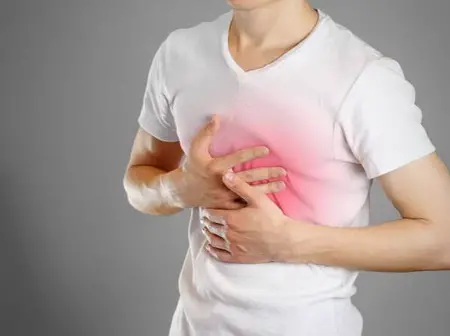
    What you choose to eat and drink shortly after waking up plays a big part in whether stomach acid stays put or splashes upward. Digestive specialists at the American College of Gastroenterology explain that heartburn develops when the muscular ring guarding the top of your stomach relaxes too early or gets pushed open by a heavy, irritating meal, letting acid climb into the esophagus. A few common breakfast missteps can irritate your digestive tract and leave you dealing with chest burning, sour burps, and throat discomfort for hours.

    Avoid these seven everyday breakfast habits to help keep daytime heartburn away.

    1. Drinking Strong Black Coffee or Tea on an Empty Stomach

    Pouring a mug of strong black coffee or dark tea before putting solid food in your stomach is one of the fastest ways to spark morning reflux. Gastroenterologists at Johns Hopkins Medicine note that caffeine can loosen the muscular valve at the bottom of the esophagus, allowing acid to escape upward. Coffee also prompts your stomach to produce extra acid. When no food is present to cushion the delicate lining, acid can irritate it right away, especially if your stomach is already sensitive.

    Instead, start with a gentle bite first, such as plain oatmeal or whole-grain toast. Afterward, enjoy a smaller cup of low-acid coffee or a soothing herbal infusion like chamomile or ginger tea.

    2. Eating Greasy, Deep-Fried Morning Foods

    Bacon, sausages, fried eggs, hash browns, and deep-fried mandazi pack heavy amounts of cooking oil and saturated fat. Kenya’s Ministry of Health, through its National Guidelines for Healthy Diets and Physical Activity, advises keeping fats and oils moderate in your daily meals. Because fats take far longer to break down than lighter foods, eating a greasy meal keeps acid sitting in your stomach longer. High fat intake also sends digestive signals that relax the barrier between your stomach and esophagus.

    Instead, choose boiled or poached eggs, grilled lean poultry, or oven-baked sweet potatoes.

    3. Having Citrus Juices or Tomatoes First Thing

    Although pouring a tall glass of orange or grapefruit juice in the morning feels refreshing, sharp fruit acids frequently bother a sensitive stomach. Specialists at the Cleveland Clinic point out that fresh citrus fruits, raw tomatoes, and tomato-based sauces carry strong natural acids that can further sting an already irritated esophagus.

    Instead of acidic drinks, pair plain water with gentle, low-acid fruits such as ripe bananas, melons, pears, or pawpaws.

    4. Eating Too Large a Meal Too Quickly

    When you wake up overly hungry, it is easy to pile your plate high and finish in minutes. Clinical dietitians at Harvard Health Publishing explain that an oversized meal stretches the stomach wall, building upward physical pressure against the top valve and forcing stomach contents upward. Rushing through your food also makes you swallow extra air, leading to uncomfortable bloating and belching.

    Serve yourself sensible portions and chew each mouthful slowly so your stomach can digest food without extra pressure.

    5. Choosing Sweet Pastries and Sugar-Coated Cereals

    Croissants, iced doughnuts, sweet muffins, and sugar-coated cereals combine refined white flour, added sugars, and butter or vegetable shortening. Nutritional guidance from the American Gastroenterological Association notes that rich, heavily refined baked goods digest sluggishly and often trigger reflux in people prone to heartburn. When pastries contain chocolate or cocoa spreads, discomfort can get even worse because cocoa naturally holds compounds that relax the stomach's upper valve.

    Instead, build a high-fiber whole-grain breakfast using plain rolled oats or whole-wheat bread paired with lean protein and healthy plant oils.

    6. Adding Very Spicy Seasonings to Morning Dishes

    Dousing morning eggs, beans, or stews with hot chili sauce or cayenne pepper can trigger chest burning within minutes. Research highlighted by the Mayo Clinic shows that capsaicin, the natural compound in chili peppers that creates heat, slows down digestion and can directly irritate the sensitive lining of the esophagus.

    Instead of fiery spices, flavor your morning meals with mild herbs such as fresh parsley, basil, thyme, or a small pinch of turmeric.

    7. Lying Down or Slouching Right After Eating

    Eating breakfast in bed, slumping back on a soft sofa, or bending over to tie your shoes shortly after finishing your plate keeps gravity from helping hold food and acid down. To support smooth stomach emptying, digestive care guides from Aga Khan University Hospital and the National Institutes of Health (NIH) advise staying upright for roughly two or three hours after a meal.

    Sit tall in a supportive chair while eating, and take a relaxed 10-minute stroll around your home or compound afterward to aid digestion.

    Final Thoughts

    It is completely possible to enjoy a satisfying breakfast without dealing with daytime heartburn. Eating moderate portions of low-acid whole foods and staying upright after meals supports comfortable digestion all morning. However, if you frequently experience chest burning or trouble swallowing, schedule a visit with a qualified doctor for a thorough checkup.

    Important Note

    All details shared in this article are meant strictly to educate readers and should not take the place of personal care from a physician. If you experience ongoing acid reflux, chest pain, or stubborn digestive discomfort, please consult a licensed doctor or registered dietitian.


  • Duale Responds to Growing Concerns Over Cancer Treatment Costs Under SHA

    Duale Responds to Growing Concerns Over Cancer Treatment Costs Under SHA

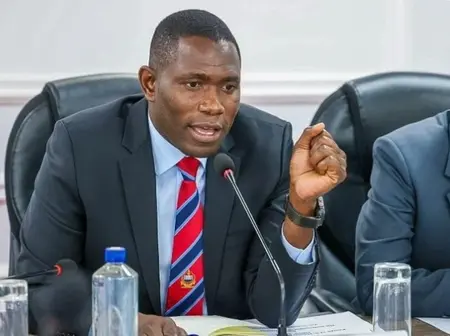
    Health Cabinet Secretary Aden Duale has defended the changes introduced to cancer treatment approvals and pricing under the Social Health Authority (SHA), amid growing public interest and concerns over access to affordable cancer care in Kenya.

    Duale has maintained that the changes are aimed at improving the management of cancer treatment services, strengthening accountability and ensuring that public resources allocated to healthcare are used effectively.

    Under the new health financing system, the government is seeking to streamline how medical services are approved and paid for through SHA. The changes to cancer treatment approvals and pricing have therefore attracted attention from patients, healthcare providers and other stakeholders.

    Defending the adjustments, Duale has emphasised the importance of establishing proper procedures to ensure that patients receive appropriate treatment while maintaining transparency in the healthcare financing system.

    The changes have also sparked discussions about whether the new arrangements will make cancer treatment more accessible or create additional challenges for patients who depend on government-supported healthcare services.

    For many families, the biggest concern remains the affordability of cancer medication and the ability to access specialised treatment without unnecessary delays.

    Healthcare stakeholders are expected to closely monitor how the revised arrangements affect patients, hospitals and medical facilities across the country.

    The government faces the challenge of balancing financial sustainability with the urgent need to provide quality healthcare to Kenyans, particularly those battling serious illnesses.

    As discussions continue, many patients and families will be looking for clear explanations about the new approval procedures, treatment costs and the level of financial support available under SHA.

    Ultimately, the success of the changes will depend on whether they improve access to cancer care, reduce financial pressure on families and ensure patients receive timely treatment.

    https://www.facebook.com/share/p/14tF2m1ksnM/

  • Can 30 Minutes of Daily Exercise Help Prevent Type 2 Diabetes?

    Can 30 Minutes of Daily Exercise Help Prevent Type 2 Diabetes?

    According to national health guidance from Kenya’s Ministry of Health and clinical recommendations from the American Diabetes Association (ADA), including half an hour of physical activity in your routine five times per week can significantly decrease your risk of developing type 2 diabetes.

    In many urban areas across Kenya, long commutes by matatu, desk jobs, and excessive screen time in the evenings have made daily movement essential for maintaining good metabolic health. Understanding how 30 minutes of physical activity improves glucose regulation in the body makes it much easier to build into your daily lifestyle.

    How Daily Exercise Reduces Glucose in the Blood

    Type 2 diabetes occurs when cells in the body become resistant to insulin, the hormone that transports glucose from the blood to the muscles for energy. When cells resist insulin, glucose builds up in the bloodstream.

    Public health guidance from the Centers for Disease Control and Prevention (CDC) and research shared by the National Institutes of Health (NIH) show that physical activity lowers blood glucose in two ways. First, as muscles work during exercise, they burn glucose as an immediate energy source. Second, physical activity increases muscle sensitivity to insulin for most of the day. Staying active in this way leads to steadier glucose levels and puts less stress on the pancreas.

    Why Regular Activity Is Better Than Intense Activity

    Many people feel they must pay for a gym membership or go on intense runs to improve their health. However, physicians at the Mayo Clinic and global health experts at the World Health Organization (WHO) emphasize that regular, moderate activity can significantly reduce the risk of developing diabetes.

    Moderate activity means increasing your body temperature and heart rate while still being able to hold a short conversation. If you are very busy at work, diabetes educators note that breaking your 30 minutes of physical activity into three short 10-minute walks after breakfast, lunch, and dinner offers the same benefit as one continuous 30-minute walk.

    Practical Ideas for 30 Minutes of Physical Activity

    To reach your daily physical activity goals, you do not need specialized equipment. Kenya’s Ministry of Health recommends finding enjoyable physical activities to include in your daily routine at home or work.

    A quick walk around your estate, or getting off one stop earlier on the matatu and walking the rest of the way home, is a safe and free way to increase movement. Cycling, swimming, dancing to your favorite music, weeding a kitchen garden, or using the stairs instead of the elevator all count toward your daily goal.

    Including simple strength-based exercises twice per week provides even greater protection. According to Johns Hopkins Medicine, doing bodyweight exercises such as squats, lunges, wall push-ups, or workouts with light weights at home strengthens large muscle groups and builds lean muscle mass, which safely absorbs and stores glucose in the body.

    Why Limiting Prolonged Sitting Matters

    Even when you complete 30 minutes of physical activity in the morning, sitting for eight hours in an office chair or on a couch can cause high glucose levels after eating. To prevent this, clinical guidelines from the ADA suggest standing up every 30 minutes to do some light movement, such as stretching, taking a quick walk around the room, or doing simple leg exercises for approximately three minutes.

    When to See a Doctor Before Starting

    For most people, a gentle 30-minute walk is safe. However, guidance from Kenya’s Ministry of Health and Mayo Clinic specialists recommends speaking with a doctor or nurse before beginning a new exercise routine if you are currently managing prediabetes, high blood pressure, heart issues, chest discomfort, or joint pain, or if you have been inactive for months.

    Summary

    Although 30 minutes of daily physical activity is not a substitute for healthy eating and medical treatment, it is a reliable and affordable way to reduce your risk of developing type 2 diabetes. Starting gently and staying consistent week after week brings long-term benefits for your heart, weight, and glucose levels.

    Note

    All information in this post is for general educational purposes only and should not replace professional medical advice. If you wish to change your level of physical activity or personal health plan, please consult a qualified doctor or registered dietitian.
  • Oluga Orders Removal of Paybills from Public Hospitals, Says Patients Should Not Face Extra Costs

    Oluga Orders Removal of Paybills from Public Hospitals, Says Patients Should Not Face Extra Costs

    Oluga issued the directive during a meeting with SHA compliance officers and public hospital officials in Vihiga County, where he challenged the officers to ensure public health facilities stopped operating payment paybills.

    He insisted that officers had the authority to enforce the directive across public hospitals, promising them security as they carried out the exercise.

    "Compliance officers, go through any public hospital. Any public hospital. Remove those things called paybills. I will give you security," he said.

    Oluga argued that hospitals should consider the financial circumstances of the communities they serve, particularly households that depend on small businesses and informal trade to survive.

    He cited women running food kiosks and small eateries in local markets, saying some operate with working capital of less than Sh30,000.

    The PS questioned how such traders could sustain their businesses if they were required to pay tens of thousands of shillings for treatment, warning that hospital charges could wipe out the little money they rely on to earn a living.

    He gave the example of a woman asked to pay Sh50,000 for treatment, saying such a demand could force her to shut down her business.

    "You can imagine when that woman comes to the hospital, you want to put for her a paybill to pay Sh50,000. You are closing the business," Oluga said.

    He warned that public hospitals could end up contributing to poverty by demanding payments that ordinary citizens cannot afford, instead of helping them recover and return to their livelihoods.

    "So the hospital then is now contributing to poverty in the society," he said.

    Oluga said poverty was among the social factors that influence health outcomes and life expectancy, arguing that healthcare institutions should consider the wider impact of their services on communities rather than focusing only on treating individual illnesses.

    He outlined the responsibilities of hospitals, saying they should provide quality healthcare, support medical training and research, and contribute to improving the health of entire populations.

    The PS also called on hospitals to strengthen outreach programmes to educate residents about available medical services and how they could access treatment through the Social Health Authority.

    He urged healthcare providers to encourage patients to use the health insurance system rather than being forced to raise large sums of money at hospital facilities to receive treatment.

    During the engagement, Oluga questioned whether many residents of Vihiga County could afford hospital bills amounting to Sh200,000. An officer who responded indicated that only a small number of residents could manage such expenses.

    Oluga maintained that financial demands at public hospitals risked denying vulnerable Kenyans access to healthcare while worsening the economic difficulties facing families.

    He further said county commissioners had been informed about the planned enforcement exercise and that compliance officers would be accompanied by security officers where necessary.

    The move comes amid efforts to encourage Kenyans to access healthcare through the SHA framework, with Oluga emphasizing that financial barriers should not prevent people from seeking treatment or undermine the health of communities.

    Source

  • Does Lipstick Cause Uterine Cancer: Medical Facts Behind Viral Claim by Ugandan Government Official

    Does Lipstick Cause Uterine Cancer: Medical Facts Behind Viral Claim by Ugandan Government Official

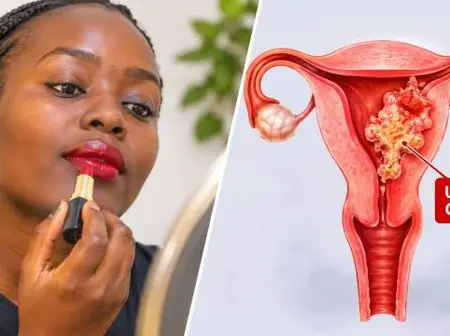
    The remarks, which circulated widely on social media, were made by Hellen Seku, a Commissioner at Uganda's National Secretariat for Patriotism Corps (NSPC). She reportedly suggested that lipstick consumed accidentally when women eat or drink could enter the body and eventually cause cancer of the uterus.

    Seku also made claims about the prevalence of uterine cancer among Ugandan women, attributing the alleged increase to the use of lipstick. However, her remarks have drawn scrutiny because of the absence of established scientific evidence supporting the suggested connection.

    Medical explanations show that the human digestive and reproductive systems function independently. When a person accidentally swallows small amounts of lipstick while eating or drinking, the substance enters the digestive tract, passing through the oesophagus into the stomach.

    It does not travel directly to the uterus, as suggested in the viral statement. The uterus is part of the reproductive system and has no direct connection to the digestive pathway through which swallowed substances move.

    Although some cosmetic products contain chemicals that require safety monitoring, there is currently no established scientific evidence that ordinary lipstick use causes uterine cancer. This distinction is important because concerns about potentially harmful ingredients should not be confused with claims of a proven link to a particular disease.

    Uterine cancer, also known as endometrial cancer when it develops in the lining of the womb, is associated with several recognised risk factors. These include advancing age, obesity, diabetes and hormonal changes involving prolonged exposure to oestrogen without sufficient progesterone.

    Certain inherited genetic conditions can also increase an individual's likelihood of developing the disease. Medical professionals therefore encourage women to understand established risk factors and seek medical attention when they experience unusual symptoms such as abnormal vaginal bleeding.

    The controversy has also highlighted the need to distinguish uterine cancer from cervical cancer, two conditions that are sometimes confused. While uterine cancer affects the womb, cervical cancer develops in the lower part of the uterus that connects to the vagina.

    Persistent infection with high-risk strains of the Human Papillomavirus (HPV) is responsible for nearly all cervical cancer cases. Vaccination against HPV and regular screening are among the important measures used to reduce the risk.

    Meanwhile, claims about the proportion of Ugandan women suffering from uterine cancer require reliable health statistics before they can be accepted as accurate. Cancer figures should be supported by credible research and clearly identify the disease and population being discussed.

    The debate serves as a reminder that public officials and other influential personalities should exercise caution when sharing health information. While consumers should remain aware of the ingredients in their cosmetic products, unverified statements should not be presented as established medical facts.

    Women are encouraged to seek information from qualified healthcare professionals and recognised medical institutions rather than relying on alarming claims circulating on social media.

    https://x.com/K24Tv/status/2124198039976038854/photo/1?a=lrf_UeSABy5lvEnsFjA&s=19

  • KDF Unveils New Training Programme for Military Nurses in Major Healthcare Upgrade

    KDF Unveils New Training Programme for Military Nurses in Major Healthcare Upgrade

    The initiative was launched on Saturday, November 21, 2026, through the Defence College of Health Sciences (DCHS), a constituent institution of the National Defence University-Kenya (NDU-K).

    The institution officially opened its November 2026 training cohort for the Higher Diploma in Kenya Registered Critical Care Nursing (HDCCN), a specialised course designed to equip nursing personnel with advanced clinical knowledge and practical medical skills.

    The programme will focus on preparing nurses to manage patients facing life-threatening conditions, make critical medical decisions and provide specialised treatment in demanding healthcare environments.

    Through the training, KDF seeks to improve the professional capacity of its medical personnel, particularly in managing complicated cases that require specialised nursing attention.

    The initiative is also expected to strengthen healthcare services within military facilities by ensuring nurses acquire the expertise needed to respond to complex medical situations during military operations and routine assignments.

    DCHS will play a central role in delivering the specialised training as the military continues investing in professional medical education and the development of its healthcare workforce.

    Beyond hospitals and military medical facilities, KDF also provides healthcare services through field hospitals, emergency response teams and humanitarian medical outreach programmes targeting communities across the country.

    These operations involve medical officers, nurses and combat medics who provide treatment in different environments, including areas where access to conventional healthcare services may be limited.

    Kenya has also developed specialised military emergency medical response capacity, including a World Health Organization-certified Type 2 Emergency Medical Team established in 2024 to support mobile surgical and emergency treatment services.

    Additionally, KDF regularly organises medical camps where military healthcare professionals offer treatment to civilians, with some outreach teams comprising approximately 10 to 30 medical and support personnel.

    The latest training programme therefore represents another step in the military's efforts to strengthen its medical workforce and improve its ability to handle demanding healthcare needs both within and outside military operations.

    https://www.facebook.com/100064288795404/posts/1589779463174998/?app=fbl

  • Aga Khan Surgeons Make Medical History After Reattaching Man’s Severed Arm in 10-Hour Operation

    Aga Khan Surgeons Make Medical History After Reattaching Man’s Severed Arm in 10-Hour Operation

    The procedure is being described as the first documented full-arm replantation of its kind in East Africa, highlighting the growing capacity of Kenyan hospitals to handle highly specialised surgical emergencies.

    According to the hospital, the patient suffered a severe industrial accident that resulted in the complete amputation of his right arm.

    He was rushed to the facility as an emergency case, where doctors first worked to stabilise his vital signs before preparing him for the complicated operation.

    Given the severity of the injury, the hospital assembled a multidisciplinary surgical team to carry out the procedure.

    The 10-hour operation brought together specialists in plastic and reconstructive surgery, orthopaedic surgery, vascular surgery, anaesthesia and critical care.

    The surgeons faced the difficult task of reconnecting several structures that had been completely severed, including bones, muscles, tendons, blood vessels and major nerves.

    Restoring blood circulation was particularly important because the survival of the reattached arm depended on establishing an adequate blood supply.

    Dr Esther Gathura, the hospital's Section Head and Consultant Plastic, Hand and Reconstructive Surgeon, explained that reattaching an entire arm was considerably more complicated than reconnecting an amputated finger or hand.

    She noted that the procedure required exceptional precision, specialised microsurgical skills and close coordination among different medical teams.

    The doctors had to balance the need to preserve the patient's life with the challenge of restoring the affected limb and giving it the best possible chance of regaining functionality.

    The orthopaedic component was led by Dr Edward Jenner, a Consultant Orthopaedic Surgeon at the hospital.

    His team concentrated on restoring and stabilising the arm's skeletal structure, providing the foundation for the reconstruction of the surrounding tissues.

    Dr Jenner explained that successful replantation involved much more than simply attaching the amputated body part. The bones had to be properly stabilised, while the damaged tissues needed careful reconstruction to improve the chances of recovery.

    Following the lengthy operation, the patient remained under intensive care monitoring before being moved to a lower level of care.

    The hospital subsequently reported that his condition was stable and the reattached arm remained viable, with encouraging blood circulation.

    He has also started early rehabilitation aimed at supporting the gradual recovery of movement and sensation in the affected limb.

    However, the hospital has not indicated how much movement or sensation the patient is expected to regain or how long his rehabilitation will take.

    The achievement builds on the hospital's previous experience in complex reconstructive surgery.

    Earlier in 2026, its medical team successfully reattached three amputated fingers belonging to a woman who had sustained severe injuries in a separate workplace accident.

    The woman reportedly recovered and returned to her normal activities.

    For Kenya, the successful procedure represents an important development in the country's ability to manage complicated traumatic injuries without necessarily requiring patients to seek specialised treatment outside the region.

    Source

  • PS Oluga Orders Public Hospitals to Remove Paybill Numbers as Government Tightens SHA Rules

    PS Oluga Orders Public Hospitals to Remove Paybill Numbers as Government Tightens SHA Rules

    Principal Secretary for Medical Services Dr Ouma Oluga has directed public hospitals across Kenya to remove their Paybill numbers from payment systems, in a move aimed at protecting patients from unnecessary medical charges and strengthening the implementation of the Social Health Authority.

    Oluga said the continued use of hospital Paybill numbers for payments could undermine public confidence in the government's healthcare financing programme, particularly when patients are required to pay for services that should be covered under SHA.

    Speaking during an interview with Ramogi TV, the PS urged Kenyans to register with SHA, understand their healthcare benefits and report any facilities demanding unauthorised payments for services covered under the scheme.

    The directive is part of the government's broader efforts to ensure that Kenyans access affordable healthcare without facing unnecessary financial demands when seeking medical attention in public facilities.

    According to the State Department for Medical Services, the government has also made significant progress in digitising healthcare facilities to strengthen accountability and improve the management of hospital payments.

    Oluga revealed that approximately 95 per cent of public hospitals and contracted health facilities have been digitised under the HAKIKA platform.

    The system is expected to improve transparency, monitor financial transactions and help authorities identify and prevent unauthorised payments within healthcare facilities.

    The government believes that strengthening digital systems will help eliminate financial irregularities while ensuring that patients receive services according to their SHA benefits.

    Oluga's announcement comes amid ongoing efforts by the government to implement universal healthcare reforms and address concerns raised by Kenyans regarding access to medical services under the new health financing arrangement.

    He maintained that patients should understand their entitlements under SHA and avoid making payments for services already covered by the scheme.

    The directive signals a tougher government position against unauthorised hospital charges as Kenya continues implementing its healthcare reforms.

    Sources;

    https://peopledaily.digital/news/ps-oluga-explains-why-public-hospitals-must-remove-paybills?fbclid=IwY2xjawVvnRZleHRuA2FlbQIxMQBwZG9mBXNydGMGYXBwX2lkDDM1MDY4NTUzMTcyOAABHw6xFAVwqz3sqxlxDDB9nScY2j78sM-6m9vkL7MFI9KfZCv5O0XwOqSSEVMl_aem_H2wVVNop86qlUljKTSmryQ

  • Weight-loss drugs: Who qualifies, how they work and the risks of misuse

    thumbnail

    What you need to know:More people are seeking ways to manage their weight and lower their risk of diabetes, high blood pressure, and heart disease. Regular exercise such as walking or jogging and dietary changes remain the backbone of weight control, yet many are turning to weight-loss medicines for faster results.

  • PS Oluga explains why public hospitals must remove paybills

    PS Oluga explains why public hospitals must remove paybills

    PS Oluga explains why public hospitals must remove paybills

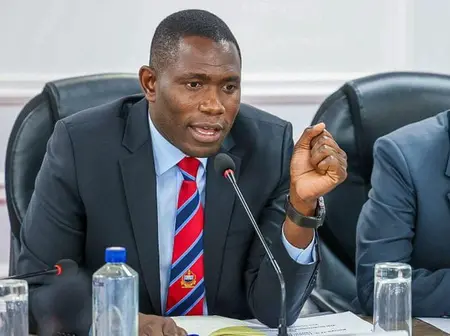
    Principal Secretary for the State Department for Medical Services at Kenya’s Ministry of Health, Ouma Oluga, has explained why public hospitals must remove payment paybills, warning that demanding money from patients seeking treatment could push struggling households deeper into poverty.

    Oluga said hospitals should provide quality healthcare without creating additional financial pressure on patients, particularly low-income earners whose daily survival depends on small businesses and limited household incomes.

    He said some of the traders operate with working capital of less than Ksh30,000, questioning how they would cope if a hospital demanded Ksh50,000 before providing treatment.

    According to Oluga, such a payment could consume the money a trader needs to restock her business, leaving her and her family in an even more difficult financial position.

    He challenged health facilities to consider the wider economic consequences of imposing such costs on patients.

    “So the hospital then is now contributing to poverty in the society,” he said.

    Principal Secretary for Health Dr. Ouma Oluga. PHOTO/@fnoluga/X

    Oluga further questioned how many residents of Vihiga County could afford a hospital bill of Ksh200,000, with the SHA compliance officer responding that very few people could manage such an expense.

    He argued that the purpose of public healthcare should be to improve people’s welfare, not expose them to financial hardship when they fall ill.

    He illustrated this by comparing a patient’s hypothetical contribution of Ksh10,000 or Ksh20,000 with a hospital payment of Ksh200,000 from SHA.

    The figures were examples used in his explanation and were not presented as standard contribution rates or reimbursement tariffs.

    Oluga maintained that patients should not be asked to raise additional money at hospitals for services covered under the scheme.

    Principal Secretary for Health Dr. Ouma Oluga. PHOTO/@fnoluga/X

    Following his explanation, Oluga instructed SHA compliance officers to identify public hospitals operating payment paybills and remove them.

    “Na uangalie kama wameweka paybill kwa hiyo hospitali. Na ung’oe hiyo paybill. Nimekupatia ruhusa ya kung’oa paybill,” he told an officer.

    He subsequently authorised the exercise across Vihiga County, saying:

    “Eh, nimekupatia ruhusa ya kung’oa paybills kwa the entire county.”

    In a further instruction, he told compliance officers to visit public hospitals and remove the payment channels, assuring them that security support would be provided.

    He also said County Commissioners had been informed and would accompany the enforcement teams.

    The State Department for Medical Services shared the video on Sunday, November 22, 2026. It did not specify a nationwide implementation timetable or clarify how facilities should handle payments for services not covered by SHA.