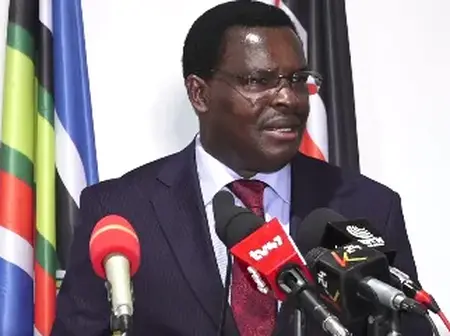
The Council of Governors (CoG) has instructed county health facility managers to disregard a directive by Medical Services Principal Secretary Ouma Oluga to remove Paybill numbers from county health facilities, saying it infringes on the constitutional autonomy of county governments.CoG chairperson and Tharaka Nithi Governor Muthomi Njuki said counties must retain lawful means of collecting payments for services outside the Social Health Authority (SHA) benefits package to keep facilities running.
Category: Health
-
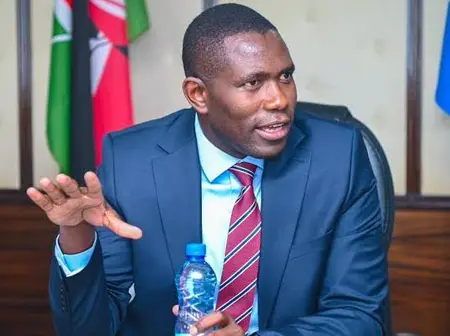
Relief for Patients as Ministry Orders Paybills Out of Public Hospitals
Speaking during an inspection and engagement session with SHA compliance officers and hospital administrators in Vihiga County, Dr. Oluga made it clear that public facilities must stop operating independent mobile money paybills for services already covered under the national health scheme. He instructed compliance teams to tour every public hospital across the county and dismantle the payment channels.
To ensure the directive is enforced without resistance, the Principal Secretary confirmed that county commissioners have been briefed to provide security support to compliance officers during the exercise. This move signals a tough new enforcement phase as the government works to eliminate double-billing and restore public confidence in the Social Health Authority.
Protecting Small Traders and Low-Income Households
During his address, Dr. Oluga used relatable everyday examples to explain why hospital paybills are hurting ordinary Kenyans. He pointed out that many patients seeking care at county and sub-county hospitals survive on small-scale businesses with very tight margins.
He specifically cited women running small food kiosks and local market stalls whose entire working capital is often less than Ksh30,000. When a hospital displays a paybill and demands Ksh50,000 before offering treatment, that single medical bill wipes out their business capital and leaves their families destitute.
Dr. Oluga argued that public hospitals should never become engines of poverty in the communities they are meant to serve. He also questioned how many residents in rural counties like Vihiga could realistically raise Ksh200,000 for major procedures without relying on a functional health insurance system.
Redefining the Role of Public Health Facilities
Beyond removing paybills, the Principal Secretary reminded hospital managers of their three core duties: delivering quality medical care, supporting medical training and research, and improving overall community health. Instead of chasing cash at the hospital gate, facilities have been urged to invest in community outreach programs that educate citizens on how to register and access benefits under SHA.
However, the directive has sparked lively debate across Kenya's healthcare sector. While ordinary citizens have welcomed the crackdown as a long-overdue shield against harassment at hospital cash desks, some healthcare stakeholders and private operators have raised concerns about delayed SHA reimbursements. Critics argue that many county hospitals resort to cash and paybill collections because pending insurance claims leave them struggling to buy essential drugs and pay casual staff.
For the policy to succeed on the ground, patients will expect both strict enforcement against illegal charges and timely payouts from SHA so hospitals do not run out of basic supplies.
What has been your experience at public hospitals when trying to use SHA—do you think removing paybills will end extra charges, or will hospitals find other ways to ask for cash?
-
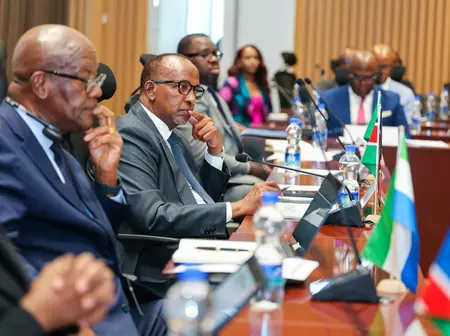
Duale Attends Africa CDC Governing Board Meeting as Kenya Begins New Two-Year Leadership Term
(Photo courtesy)
Health Cabinet Secretary Aden Duale has attended the 16th Ordinary Meeting of the Africa Centres for Disease Control and Prevention (Africa CDC) Governing Board at the agency's headquarters in Addis Ababa, Ethiopia.
The meeting marked the beginning of a new two-year leadership term and brought together eight health ministers from Cameroon, Gabon, The Gambia, Kenya, Namibia, Sierra Leone, Uganda and Zimbabwe.
During the meeting, Uganda's Health Minister, Dr Chris Baryomunsi, was unanimously elected Governing Board Chair, while Namibia's Dr Esperance Luvindao was elected Vice-Chair.
The incoming leadership also received the outgoing board's 2024–2026 report, outlining achievements made during the previous term and outstanding priorities that require attention.
Speaking after the meeting, Duale said Kenya would use its position on the board to push for increased local production of medical and pharmaceutical supplies, stronger cross-border health security and equitable access to quality primary healthcare across Africa.
The Africa CDC Governing Board provides strategic direction and oversight to the agency, including approving annual budgets and setting continent-wide public health priorities.
Duale was accompanied by Kenya's Ambassador to Ethiopia and Permanent Representative to the African Union and United Nations Economic Commission for Africa, Ambassador Galma Boru.
Other ministers attending the meeting included Dr Manaouda Mombeshora of Cameroon, Prof. Elsa Joséphine N'kana of Gabon, Dr Ahmadou Lamin Samateh of The Gambia, Dr Esperance Luvindao of Namibia, Dr Austin Demby of Sierra Leone, Dr Chris Baryomunsi of Uganda and Dr Douglas Mombeshora of Zimbabwe.
https://x.com/HonAdenDuale/status/2124513529734525349?a=Y2X4yeh9mOYxbprhpY4&s=19
-
SHA to Cover Up to KSh800,000 for Kenyans Suffering from This Disease
Cancer patients in Kenya are expected to receive greater financial relief following an increase in oncology coverage under the Social Health Authority (SHA) to KSh800,000 per patient.
The adjustment is intended to ease the financial pressure on households facing the high cost of cancer diagnosis and treatment. This is particularly important for families with limited financial resources, which can be difficult for low-income families.
Under the expanded cover, SHA is expected to provide a stronger financial safety net for eligible patients seeking oncology services. The move forms part of the government's efforts to improve access to specialised healthcare and reduce the amount families pay directly for medical care.
For many households, cancer treatment has meant borrowing money, organising fundraisers or selling property to meet hospital bills. Some patients have also faced interruptions when they could not raise enough money to continue treatment. Increasing the coverage could help reduce these challenges and give patients a better chance of following their recommended treatment plans.
However, patients will need clear information on the services covered, eligibility conditions, approved facilities and the process of obtaining treatment under SHA. The announced limit should not automatically mean that every procedure or medicine is covered in every circumstance. Patients are encouraged to confirm the applicable benefits with SHA and their healthcare providers before making treatment arrangements.
The announcement is likely to renew public discussion about the affordability of cancer care in Kenya and whether health reforms are reaching people who need them most. Its impact will depend on how smoothly the expanded benefit is implemented and whether patients can access services without unnecessary delays.
For patients and caregivers, the key question will be whether the increased cover translates into meaningful relief from treatment costs.
-
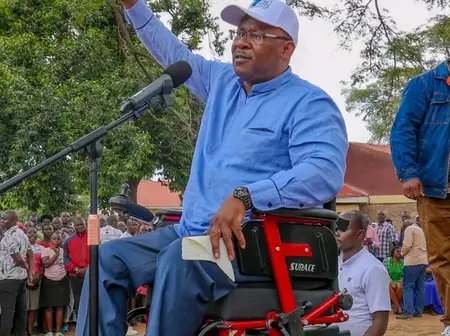
Affordable Healthcare and Devolution Must Reach Villages – Timothy Wanyonyi
In a statement shared after the visit, Wanyonyi said he and his team met members of the community who had gathered within the church compound to welcome them. He used the meeting to reaffirm his commitment to leadership that addresses the needs of ordinary citizens, particularly families who face challenges accessing essential services.
A key issue highlighted in his message was the cost of healthcare. Wanyonyi said his priority includes making childbirth-related medical care free for mothers, presenting the proposal as part of a broader commitment to affordable healthcare. The statement did not provide details on how the proposed arrangement would be funded or when it would be implemented.
He also emphasised the importance of making devolution more meaningful at the grassroots. According to Wanyonyi, county services and development should be felt in villages rather than remaining distant from the people they are intended to serve. His remarks point to the need for public services to respond to local priorities and reach communities effectively.
The engagement in Lwandanyi comes as leaders continue to use community gatherings to communicate their policy priorities and build support at the grassroots. For residents, the issues raised, especially access to affordable maternal healthcare and the delivery of services through devolution, are matters that can directly affect daily life.
However, the proposals will ultimately be judged by the practical plans, resources and implementation measures put in place to turn the promises into services.
What is your view on Wanyonyi’s message on affordable healthcare, devolution and the Linda Mwananchi Movement? Share your remarks, views and comments in the comment section.
-
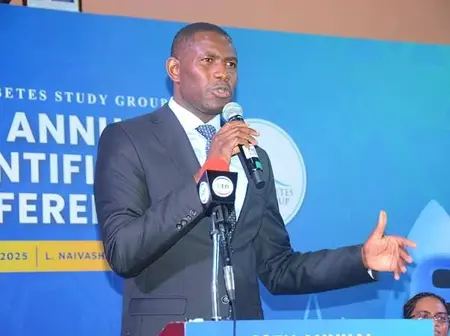
Oluga BANS Paybill Payments & Extra Charges in Public Hospitals
Ouma Oluga, the Principal Secretary for Medical Services, instructed Social Health Authority personnel to take away payment paybills from public hospitals. He also cautioned health centers not to levy additional fees on clients. This move addresses growing anxiety about personal expenses at state-run clinics, with numerous Kenyans reporting they were still charged despite having enrolled in SHA, aiming to shield individuals from such financial strain.
Oluga warned that hospitals should not tack on extra fees for services already included in SHA coverage. Patients with valid registration ought to be treated without being required to pay additional sums.
For those who are enrolled, the state insists that care at sub-county hospitals, health centers, and dispensaries comes at no cost. Rather than charging individuals directly, public institutions should seek repayment from SHA.
Authorities have cautioned that institutions found manipulating the scheme will be penalized. In the previous year, the state barred 40 medical centers from the SHA initiative due to deceitful behavior.
Individuals facing unlawful billing can report the establishment by dialing the free hotline at 147. The Ministry of Health has encouraged the public to raise their voices whenever they are solicited for payment for services that should be covered.
The newest order ramps up the squeeze on hospital administrators to comply with regulations. Today, many individuals anticipate getting care with no concealed charges when they access services.
Officials in charge of health indicate their goal is to ensure universal health coverage benefits everyday Kenyans. Stripping public hospitals of paybill numbers is anticipated to increase payment openness and cut down on potential misuse.
Hospital bosses are currently being monitored to ensure they follow the directive. Those who disregard it face potential measures from the governing body. Citizens across the country are waiting for equitable care and outcomes at all medical centers.
https: //www. facebook. com/share/p/1JGRB2zWuj/? mibextid=wwXIfr
-
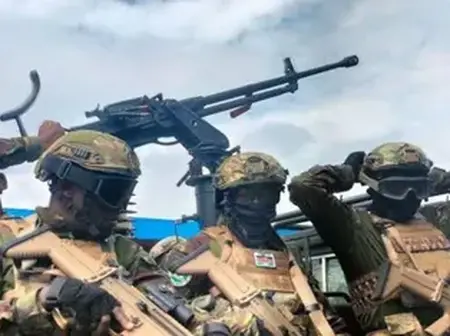
KDF Introduces Advanced Medical Training Programme to Boost Treatment of Critically Ill Patients
The initiative was launched on Saturday, November 21, through the opening of the November 2026 training cohort at the Defence College of Health Sciences (DCHS), a constituent institution of the National Defence University-Kenya (NDU-K).
The programme, known as the Higher Diploma in Kenya Registered Critical Care Nursing (HDCCN), is designed to equip military nursing personnel with advanced clinical knowledge and practical skills required to handle patients in critical condition.
Through the specialised course, participants will receive training in managing complex medical emergencies, making informed clinical decisions and providing advanced care in demanding healthcare environments.
The initiative is also expected to improve the quality of treatment offered across military healthcare facilities by strengthening the professional capacity of nurses.
Beyond improving individual skills, the programme will help KDF expand its ability to respond to medical emergencies involving military personnel and civilians during security operations and humanitarian missions.
The Defence College of Health Sciences will oversee the training as part of its wider mandate to develop specialised medical professionals for the military.
KDF has increasingly expanded its healthcare operations beyond military installations through emergency medical teams, field hospitals and community outreach programmes.
In 2024, Kenya developed a World Health Organization-certified Type 2 military Emergency Medical Team to strengthen its capacity to provide specialised medical assistance, including mobile surgical services.
The military also conducts medical outreach programmes in different parts of the country, deploying teams of doctors, nurses and other healthcare professionals to offer treatment to communities with limited access to medical services.
The latest training initiative is expected to further strengthen the military's medical preparedness, particularly in situations requiring specialised treatment, emergency response and intensive patient care.
https://www.kenyans.co.ke/news/129583-kdf-launches-advanced-training-programme-strengthen-military-healthcare-workforce
-
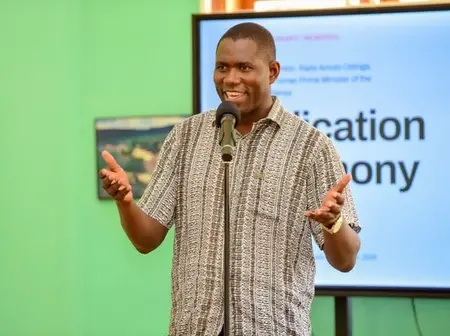
Government Orders Public Hospitals to Remove Paybills as Ouma Oluga Issues Nationwide Directive
Principal Secretary for Medical Services Dr Ouma Oluga issued the directive while addressing SHA compliance officers and health officials in Vihiga County.
In a video shared by the State Department for Medical Services on Saturday, November 21, Oluga instructed compliance officers to visit public hospitals, identify payment paybills and ensure they are removed.
He authorised the officers to conduct the exercise across Vihiga County and assured them of security support during the enforcement operation.
The PS also directed that County Commissioners accompany the compliance teams during inspections to facilitate the exercise.
Why Government Wants Hospital Paybills Removed
Oluga explained that demanding large sums of money from patients before providing treatment could expose financially struggling families to further hardship.
He cited women operating small businesses in Vihiga markets, noting that some depend on working capital of less than Ksh30,000 to sustain their livelihoods.
According to the PS, demanding Ksh50,000 from such a patient could effectively destroy her business by consuming money meant for purchasing stock and supporting her family.
He argued that public hospitals should help improve people's living conditions rather than push vulnerable households further into poverty.
Oluga Explains How SHA Should Handle Hospital Bills
The PS urged Kenyans to maintain their SHA contributions so that the authority can finance eligible medical services when members seek treatment.
He illustrated his argument using a hypothetical situation in which a patient contributes Ksh10,000 or Ksh20,000 to SHA instead of being asked to raise Ksh50,000 at a hospital.
He said the authority should then meet the facility's eligible treatment costs in accordance with the applicable payment arrangements.
Oluga further reminded hospital administrators that their responsibilities extend beyond treating patients to include medical training, research and improving public health.
The directive places SHA compliance officers at the centre of efforts to prevent public hospitals from imposing additional charges for services covered by the scheme.
However, the government has not provided a specific nationwide implementation timetable or clarified how hospitals should handle payments for services that fall outside SHA coverage.
https://peopledaily.digital/news/govt-orders-removal-of-paybills-from-public-hospitals-in-sha-enforcement-drive
-
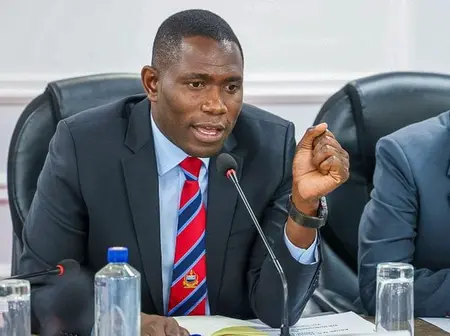
Health PS Ouma Oluga Orders Removal of Hospital Paybills, Gives SHA Officers New Instructions
Oluga said demanding substantial payments from sick Kenyans could worsen poverty, particularly among low-income households and small-scale business owners who depend on limited daily earnings.
Speaking during a meeting with Social Health Authority (SHA) compliance officers and public hospital officials in Vihiga County, the PS illustrated the financial difficulties patients face when hospitals demand money upfront.
He cited women operating small food businesses in local markets, noting that some have working capital of less than Ksh30,000.
According to Oluga, demanding Ksh50,000 from such a patient could wipe out the money needed to keep her business running and support her family.
He questioned the justification of public hospitals imposing such financial demands on people who are already struggling economically.
Oluga also challenged officials to consider how many residents could afford a hospital bill of Ksh200,000, with one SHA compliance officer acknowledging that only a small number would manage such an expense.
Oluga Explains How SHA Should Protect Patients
The PS maintained that the Social Health Authority should play its intended role of helping patients access treatment without facing additional financial pressure at health facilities.
He used hypothetical contributions of Ksh10,000 and Ksh20,000 against a Ksh200,000 hospital bill to demonstrate how SHA could help cover eligible medical expenses.
He insisted that patients should not be asked to make additional payments for services already covered under the health financing arrangement.
PS Gives Officers Permission to Remove Paybills
Following the discussion, Oluga instructed SHA compliance officers to inspect public hospitals and remove payment paybills being used to collect money from patients.
He went further by authorising the exercise across the entire Vihiga County.
The PS also assured the officers that they would receive security support during the operation, adding that County Commissioners had been informed and would accompany the enforcement teams.
The Ministry of Health shared footage of the engagement on Sunday, November 22, 2026.
However, the announcement did not provide a nationwide implementation timetable or explain how hospitals should handle payments for medical services that are not covered by SHA.
https://peopledaily.digital/news/ps-oluga-explains-why-public-hospitals-must-remove-paybills
-
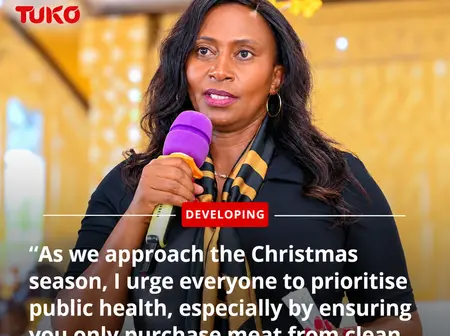
Public Health PS Mary Muthoni Warns Kenyans on Hygiene Ahead of Christmas
Public Health Principal Secretary (PS) Mary Muthoni has urged Kenyans to prioritise cleanliness, proper sanitation and personal hygiene as the country prepares for the festive season, warning that many illnesses affecting the population are linked to poor hygiene and sanitation practices.
Speaking ahead of the Christmas celebrations, the PS emphasised that maintaining clean surroundings, practising proper waste disposal and regularly washing hands with soap and clean water are essential in preventing diseases and protecting families from avoidable health complications.
She encouraged households to ensure their homes and surrounding environments remain clean, noting that simple hygiene practices can significantly reduce the risk of disease transmission.
“Let us all make a habit of washing our hands and maintaining clean surroundings so that every family can enjoy a safe, healthy, and blessed Christmas season,” she stated.
The PS also announced that Community Health Promoters (CHPs) have been paid and deployed across neighbourhoods to strengthen healthcare services at the household level.
She appealed to Kenyans to welcome the health workers whenever they visit their homes, explaining that they will provide essential health checks and guidance, including screening residents for high blood pressure and blood sugar levels.
The CHPs will also remind expectant mothers to attend antenatal clinics regularly and conduct malnutrition screening for young children to help identify health concerns early and facilitate timely intervention.
The initiative is aimed at strengthening preventive healthcare, improving early detection of diseases, and ensuring more Kenyans access basic health services within their communities.
Muthoni urged Kenyans to cooperate with the Community Health Promoters and embrace hygiene practices to ensure a healthier festive season.
https://www.facebook.com/share/p/1c3g6AKuLf/