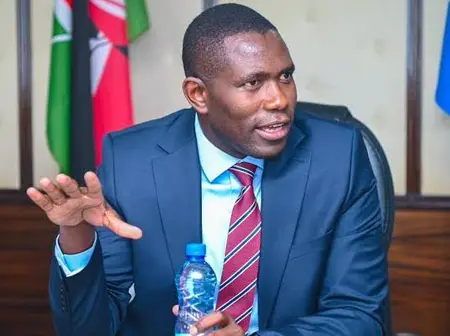
Speaking during an inspection and engagement session with SHA compliance officers and hospital administrators in Vihiga County, Dr. Oluga made it clear that public facilities must stop operating independent mobile money paybills for services already covered under the national health scheme. He instructed compliance teams to tour every public hospital across the county and dismantle the payment channels.
To ensure the directive is enforced without resistance, the Principal Secretary confirmed that county commissioners have been briefed to provide security support to compliance officers during the exercise. This move signals a tough new enforcement phase as the government works to eliminate double-billing and restore public confidence in the Social Health Authority.
Protecting Small Traders and Low-Income Households
During his address, Dr. Oluga used relatable everyday examples to explain why hospital paybills are hurting ordinary Kenyans. He pointed out that many patients seeking care at county and sub-county hospitals survive on small-scale businesses with very tight margins.
He specifically cited women running small food kiosks and local market stalls whose entire working capital is often less than Ksh30,000. When a hospital displays a paybill and demands Ksh50,000 before offering treatment, that single medical bill wipes out their business capital and leaves their families destitute.
Dr. Oluga argued that public hospitals should never become engines of poverty in the communities they are meant to serve. He also questioned how many residents in rural counties like Vihiga could realistically raise Ksh200,000 for major procedures without relying on a functional health insurance system.
Redefining the Role of Public Health Facilities
Beyond removing paybills, the Principal Secretary reminded hospital managers of their three core duties: delivering quality medical care, supporting medical training and research, and improving overall community health. Instead of chasing cash at the hospital gate, facilities have been urged to invest in community outreach programs that educate citizens on how to register and access benefits under SHA.
However, the directive has sparked lively debate across Kenya's healthcare sector. While ordinary citizens have welcomed the crackdown as a long-overdue shield against harassment at hospital cash desks, some healthcare stakeholders and private operators have raised concerns about delayed SHA reimbursements. Critics argue that many county hospitals resort to cash and paybill collections because pending insurance claims leave them struggling to buy essential drugs and pay casual staff.
For the policy to succeed on the ground, patients will expect both strict enforcement against illegal charges and timely payouts from SHA so hospitals do not run out of basic supplies.
What has been your experience at public hospitals when trying to use SHA—do you think removing paybills will end extra charges, or will hospitals find other ways to ask for cash?
Leave a Reply