
Maurice dismissed claims of drug shortages at Kangemi-Gichagi Health Centre, terming them politically motivated.The MCA challenged his political competitors to abandon what he described as cheap politics and instead offer residents alternative development plans.He defended his development record, saying significant progress had been made, while urging residents to support the completion of ongoing projects.
Category: Health
-
Waking up sore after an exercise? Your age may partly be the reason
Picture yourself after an exercise. You shower, eat, and if it was an evening gym session, you sleep well, knowing you did everything right.
The next morning, you swing your legs off the bed, and your thighs feel like wet cement. Your shoulders are stiff, and climbing the stairs becomes hard.
-
Science is getting closer to beating malaria, so what’s still in the way? Three areas where action can make an impact
What you need to know:Anopheles mosquito, the main vector for malaria.Malaria elimination has become a realistic objective for an increasing number of countries. Over the past two decades, improved prevention, diagnosis and treatment have reduced deaths from this infectious disease, which is caused by a parasite and spread by mosquitoes.
-
Over 400K Kenyans could be living with diabetes unknowingly, International Diabetes Federation warns
Delayed diagnosis leaves thousands exposed to preventable complications as experts warn that the disease can develop silently for years
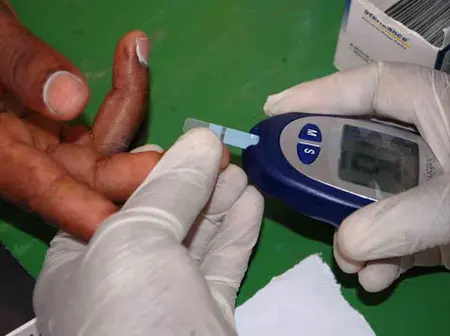
More than 400,000 Kenyans could be living with diabetes without knowing they have the condition, raising concerns over delayed diagnosis and the growing risk of complications that could otherwise be prevented through early treatment.
Data from the International Diabetes Federation (IDF) estimates that approximately 813,300 adults in Kenya were living with diabetes in 2024, with about 435,700, representing 53.6 per cent, unaware of their condition.
The figures expose a significant gap in diabetes detection, where the absence of obvious symptoms can leave people unaware of deteriorating health until complications begin affecting vital organs.
Unlike illnesses that produce immediate and noticeable warning signs, Type 2 diabetes can develop gradually, allowing elevated blood sugar levels to damage the body before an individual seeks medical attention.
Dr Sairabanu Sokwalla, an Assistant Professor at Aga Khan University and Consultant Physician and Endocrinologist at Aga Khan University Hospital, Nairobi, warns that the gradual progression of the disease makes screening particularly important.
“Type 2 diabetes often develops gradually, meaning symptoms may go unnoticed for years,” she explains.
The danger is that people may continue with their normal routines while high blood glucose silently damages blood vessels and nerves, eventually affecting the heart, kidneys and eyes.
The International Diabetes Federation’s 2025 estimates paint an even wider picture, indicating that approximately 73 per cent of adults with diabetes in Africa remain undiagnosed, the highest proportion among global regions.
This makes diabetes not only a growing disease burden but also a challenge of detection, particularly in health systems where routine screening and awareness remain essential to identifying people before they become seriously ill.
One of the difficulties in detecting diabetes is that its early symptoms can easily be mistaken for ordinary physical discomfort.
Excessive thirst, frequent urination, increased hunger, unexplained weight loss, persistent fatigue and blurred vision are among the warning signs.
However, not everyone experiences these symptoms, while others may dismiss them as temporary changes associated with busy schedules, ageing or everyday lifestyle demands.
Dr Sokwalla notes that the absence of noticeable symptoms does not mean an individual is free from the condition, making blood glucose testing an important part of preventive healthcare.
People with a family history of diabetes, high blood pressure, abnormal cholesterol levels, overweight or obesity and physical inactivity face an increased risk.
Age is another consideration, with screening recommended for adults above 35 years who have additional risk factors.
The consequences of missing an early diagnosis can be severe. Uncontrolled diabetes increases the risk of heart disease, stroke, kidney failure, nerve damage, vision loss and foot ulcers that may eventually require amputation.
These complications can also increase the financial and emotional burden on households, particularly when patients require prolonged treatment, specialised care or hospitalisation.
Although diabetes has no permanent cure, early diagnosis allows patients to begin treatment and make lifestyle adjustments before significant damage occurs.
People with Type 1 diabetes require insulin, while Type 2 diabetes can be managed through dietary changes, physical activity, medication and, in some cases, insulin therapy.
Dr Sokwalla recommends a balanced diet rich in vegetables, fruits, legumes and whole grains, alongside regular physical activity.
Adults are generally encouraged to undertake at least 150 minutes of moderate-intensity physical activity each week.
For some people with Type 2 diabetes, substantial weight loss and sustained lifestyle changes may lead to remission, although continued medical monitoring remains necessary.
-
Kenyan pathologist calls for review of Ebola exposure patterns after contrasting outcomes in Kenya, Uganda and Nigeria
Listen to articleWhile Kenya and Uganda experienced further infections after imported cases, Nigeria managed to contain its imported Bundibugyo Ebola case without recording any additional infections.Concerns have emerged over the different patterns of Ebola transmission in Kenya, Uganda and Nigeria, following contrasting outcomes in the three countries.
-
Eric Omondi raises Sh8.8m in two days for boy with rare skin disease
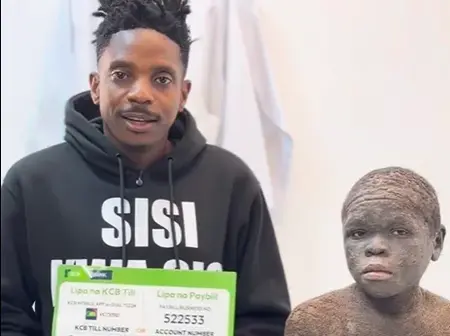
Comedian and philanthropist Eric Omondi has raised Sh8.8 million to support Bryson Makokha, a boy from Bungoma county battling a rare skin disease.
The money was raised within two days of setting up the Paybill account.
“Team Sisi Kwa Sisi. We are at Sh8.8 million,” Omondi said yesterday.
Omondi announced the fundraising milestone, saying some of the money would go towards improving the boy's living conditions, securing his education and supporting his family.
Bryson's plight first came to public attention through content creator Minister Zydo, who found him hawking bananas on the streets.
Omondi later met the boy and took up his case after learning about the challenges he faces because of his condition.
Bryson is currently receiving treatment at a hospital in Nairobi.
“And the journey begins. Our Boy will be as Clean as Snow. Thank you team sisi kwa sisi. You have lent God and He will repay,” Omondi said.
In an interview, Bryson revealed that he had sought medical treatment but the disease kept recurring whenever he ran out of a prescribed ointment.
He also disclosed that his condition had affected his ability to earn a living, saying some people avoided buying his bananas because of the appearance of his skin.
Bryson is currently receiving treatment in Nairobi.
In an update, Omondi outlined several interventions planned for the family following the successful fundraiser.
These include building a three-bedroom house for the family and a separate two-bedroom house for Bryson.
He also plans to take Bryson's mother to hospital for medical checks and a surgical procedure she needs.
Additionally, Omondi said Sh2 million would be set aside in an education trust fund for Bryson and his siblings to support their schooling.
The comedian also intends to establish a sustainable business for the family to provide them with a source of income.
Omondi said construction of a two-bedroom house for Bryson's mother had already begun, as efforts to improve the family's living conditions got underway.
-
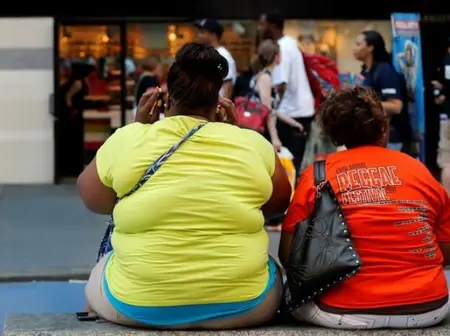
Study warns BMI alone could lead to millions of wrong obesity diagnoses
Listen to articleThe findings, published in the journal Nature, show that combining BMI with other body measurements and medical tests could help doctors identify people with harmful excess body fat more accurately and provide better treatment.Millions of people could be wrongly diagnosed with obesity or have the condition missed because doctors rely heavily on Body Mass Index (BMI) to assess weight, a new study suggests.
-
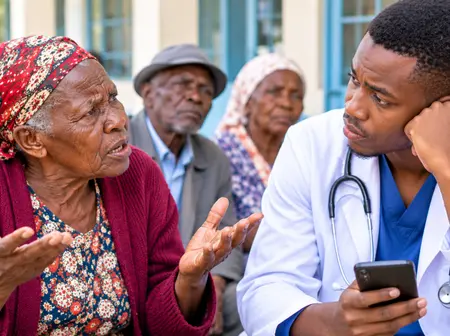
Why senior citizens are uncomfortable being treated by young doctors
Senior citizens in Kenya have raised concerns over receiving medical treatment from young doctors and healthcare workers, citing fears of inexperience, communication barriers and cultural expectations that make some uncomfortable discussing personal health issues with younger professionals.
For many elderly Kenyans, visiting a hospital and finding a doctor young enough to be their child or grandchild can create uncertainty, particularly when seeking treatment for complicated or sensitive medical conditions.
Some senior citizens believe that doctors who have spent many years in medical practice are better positioned to understand their conditions, having handled numerous cases and gained practical experience.
Florence, one of the patients interviewed by a local TV station, expressed concern about how younger healthcare workers communicate with elderly patients, suggesting that some may not give them the attention they expect during consultations.
David, another patient, said he was uncomfortable being treated by young doctors, particularly when they appeared distracted by their mobile phones during consultations.
“I’m not very comfortable with young doctors. Because you go to the hospital, you explain yourself and how you feel. But in the process, these guys are on the phone. You don’t know whether he’s attending to you, listening to what you are telling him or her, or he’s just Googling,” he said.
Alfred Chemutan also questioned whether newly graduated doctors had sufficient practical experience to handle the medical needs of older patients.
He said he would feel more confident receiving treatment from a doctor who had performed numerous surgeries and treated many patients over the years.
Beyond concerns about experience, cultural expectations have also contributed to the discomfort.
In many Kenyan communities, senior citizens command considerable respect, making it difficult for some elderly patients to discuss private medical matters with healthcare workers young enough to be their children or grandchildren.
The challenge is particularly evident when men seek treatment for reproductive and urinary health conditions.
A healthcare professional explained that some older men find it uncomfortable to disclose such problems to young female doctors and nurses because they view them as their daughters.
Similar concerns arise during sensitive procedures such as cervical cancer screening, where older women may feel uncomfortable being examined by very young male healthcare professionals.
However, healthcare practitioners maintain that professional training and medical ethics require them to provide quality care regardless of their age, while respecting patients’ dignity and privacy.
The concerns come against the backdrop of a shortage of specialists trained to address the medical needs of senior citizens.
Kenya has fewer than 10 specialist geriatricians serving an estimated 3.2 million people aged 60 and above, highlighting the challenges facing specialised healthcare for the ageing population.
Experts have also raised concerns about the limited emphasis placed on geriatric medicine in medical training, arguing that more attention should be given to conditions associated with ageing.
One expert observed that although social gerontology is taught in some training programmes, geriatric medicine remains underemphasised.
The shortage means many senior citizens depend on general healthcare providers who may not have specialised training in managing age-related medical conditions.
Nevertheless, not all elderly Kenyans share concerns about receiving treatment from younger professionals.
Some believe that age should not determine the quality of medical care, arguing that competence, professionalism and a good relationship between patients and doctors matter more.
One patient said they had no problem being treated by a young doctor as long as there was mutual understanding and a good rapport during consultations.
According to data cited in the BMJ journal, approximately 67.5 per cent of public-sector healthcare professionals in Kenya are aged between 25 and 44 years.
The figures highlight the significant role played by younger professionals in Kenya’s healthcare system, even as concerns persist over generational differences and how they influence patients’ confidence in medical services.
-
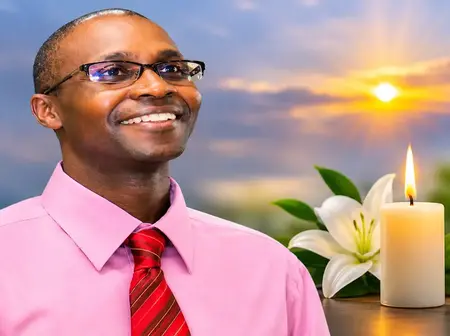
Kenyan Man Richard Kisang Dies in MD After Brain Hemorrhage
The Kenyan diaspora community in Maryland, United States, is mourning the heartbreaking death of Richard Kisang, a 55-year-old Kenyan man who died after suffering a brain hemorrhage following a sudden collapse at his home in Frederick, Maryland.Richard, originally from Kowow Village in Elgeyo-Marakwet County, Kenya, passed away on Monday, November 9, 2026, at the University of Maryland Medical Center in Baltimore, despite efforts by medical professionals to save his life.
-
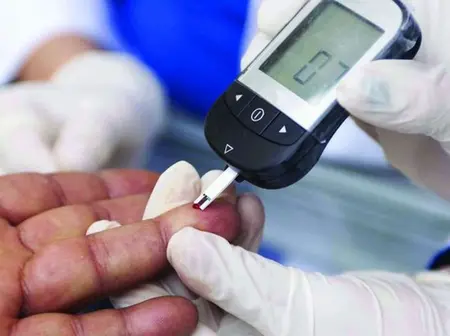
To beat diabetes in Kenya, let us strengthen early action, response
For many Kenyans, diabetes only becomes a concern when someone close to them is diagnosed, or when a health complication forces a visit to hospital.Yet diabetes can develop over years, sometimes without obvious symptoms. By the time it is detected, a person may already require complex care.