A light-hearted statement by Tyson Juma has sparked amusement after he jokingly revealed his plans to improve his physical fitness ahead of next month.
Although the comment appears to have been made jokingly, it highlights how people often use humour to communicate their personal ambitions, lifestyle changes and fitness goals.
Starting an exercise routine is generally a positive decision. Whether someone wants to improve their physical appearance, become stronger, lose excess weight or maintain good health, consistency is an important part of achieving meaningful results.
However, physical fitness requires more than excitement at the beginning. It involves discipline, patience, proper nutrition and regular physical activity. People who begin exercising should also understand their bodies and avoid putting themselves under unnecessary pressure.
Tyson's statement also reflects the entertaining side of social media, where ordinary conversations can quickly become interesting because of the way people express themselves. His choice of words has introduced a humorous angle to what would otherwise be a simple announcement about starting exercise.
Interestingly, the mention of next month makes the statement even more entertaining. It suggests that Tyson has already set a personal target and is determined to prepare himself before that time arrives.
Beyond the jokes, the message is simple: starting something positive is always a good step, provided one remains committed to the process.
What do you think about Tyson Juma's hilarious fitness announcement? Do you believe he will achieve his target next month? Share your views in the comments.
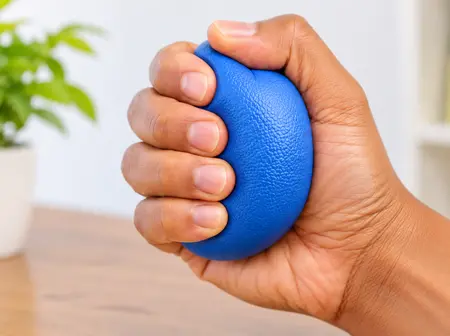
Although brisk walking and cycling are widely recognized for protecting heart health, simple handgrip exercises can also help bring down elevated blood pressure. A 2023 systematic review and meta-analysis led by Canterbury Christ Church University and published in the British Journal of Sports Medicine found that isometric exercises rank among the most effective daily routines for lowering resting blood pressure. Using a rolled kitchen towel or a soft stress ball, you can perform this two-minute isometric exercise right at home.
According to the Kenya National Guidelines for the Management of Cardiovascular Diseases, published by the Kenya Ministry of Health and the Kenya Cardiac Society, regular physical activity is a vital part of preventing and controlling hypertension. While a single two-minute session will not drop your blood pressure overnight, practicing a brief handgrip routine a few times each week helps keep your numbers within a healthy range over time.
How Handgrip Exercises Help Your Arteries
Squeezing an object with your fingers while keeping your wrist and elbow still is known as an isometric handgrip exercise. As the muscles in your forearm contract and stay tense, they gently press against the surrounding blood vessels in your arm. Once you release your grip, fresh blood flows back through those vessels, prompting the inner lining of your arteries to release nitric oxide.
Heart specialists at the American Heart Association and Memorial Health University Medical Center explain that nitric oxide signals blood vessels to relax and widen. Repeating this cycle over several weeks reduces resistance inside your arteries, helping lower both your top and bottom blood pressure readings. Clinical research indexed in the National Library of Medicine (PubMed Central) also shows that squeezing a simple foam stress ball provides heart benefits comparable to using specialized clinical gripping devices.
How to Do a 2-Minute Handgrip Routine
To protect your hands and see steady improvements, follow the four-step routine below, modeled on clinical protocols tested by the American Heart Association and the British Journal of Sports Medicine.
1. Choose an Object to Squeeze
Pick up a folded hand towel, a soft foam ball, or a new tennis ball. Squeeze the object gently with moderate effort, aiming to use around one-third of your maximum grip strength. Exercise researchers at the University of South Florida advise against squeezing as hard as you can, since excessive straining can temporarily push your blood pressure upward.
2. Squeeze for Two Minutes
Sit upright in a supportive chair with both feet flat on the floor and your elbow bent at a right angle. Maintain a gentle, continuous squeeze with one hand for two full minutes.
3. Release and Switch Hands
Open your hand completely and take a one-to-two-minute rest. Move the towel or ball to your other hand and hold a gentle squeeze for another two minutes. Repeat this cycle until you complete two squeezes per hand, giving you a total of four rounds.
4. Repeat Three Times per Week
According to findings published in the Journal of the American Heart Association, performing this short routine three times per week for four to eight weeks produces reliable reductions in resting blood pressure.
Safety Tips Before You Start
Isometric hand exercises are gentle enough for most adults, provided you follow these safety guidelines from the Kenya Ministry of Health, the World Health Organization (WHO), and the American Heart Association.
1. Breathe Steadily
Take slow, even breaths throughout every two-minute squeeze. Holding your breath while tensing your arm muscles can trigger sudden pressure spikes in your chest and blood vessels.
2. Check Your Blood Pressure Readings First
Guidance from the Kenya National Guidelines for the Management of Cardiovascular Diseases warns that anyone with severely elevated readings of 180/110 mmHg or above, or anyone experiencing chest pain, should avoid unsupervised exercise until evaluated by a clinician.
3. Continue Your Prescribed Treatment
Handgrip exercises work alongside your prescribed hypertension medication, reduced salt intake, and regular walking. As noted by the American College of Cardiology, you should never stop or change your blood pressure medication without speaking to your healthcare provider first.
Notice: The details shared above are provided for general educational awareness and should not be used as personal medical advice. Always consult your doctor or a qualified healthcare provider before starting any new physical activity, especially if you are managing high blood pressure or a heart condition.
There is nothing more relaxing than having a drink while watching the evening news or catching up with family. However, if you find yourself staring at the ceiling long after bedtime has passed, your favorite beverage may be the cause. While most people blame a heavy meal or daily stress for keeping them awake, sleep researchers at the National Institutes of Health note that certain drinks interfere with your brain chemistry and disrupt your natural rest cycle.
Avoid these four drinks after your evening meal so you can wake up feeling refreshed.
1. Fizzy Sodas and Sugary Energy Drinks
Opening a cold soda or energy drink late at night gives you a quick pick-me-up, as these beverages are packed with processed sugars and often contain high levels of caffeine.
A heavy, sugary drink late in the evening causes a sudden spike in blood sugar followed by an energy crash. According to a study published in the American Journal of Lifestyle Medicine and indexed by the National Library of Medicine, high intake of added sugars is strongly linked to poor sleep quality and restless nights. Plain water is the best choice to keep you hydrated without disturbing your rest.
2. Instant Hot Chocolate
A mug of hot chocolate feels comforting on a chilly evening. Unfortunately, cocoa beans naturally contain caffeine alongside a mild stimulant called theobromine. Sleep experts at the Sleep Foundation explain that stimulants found in chocolate and cocoa products can increase your heart rate and interfere with your natural sleep-wake cycle.
Additionally, most instant hot chocolate powders sold in supermarkets contain high amounts of added sugars and rich, fatty ingredients. According to the Mayo Clinic, consuming heavy, sugary, or fatty foods and drinks close to bedtime can trigger acid reflux, heartburn, and an upset stomach when you lie down.
3. Strong Tea and Coffee
While almost everyone knows that an evening espresso will ruin their sleep, many people still enjoy a hot cup of strong black tea after dinner. Caffeine is a powerful stimulant that stays active in your bloodstream much longer than most people realize.
Throughout the day, a sleep-promoting chemical called adenosine builds up in your brain to help you feel tired. Caffeine blocks adenosine from doing its job. A clinical study published in the Journal of Clinical Sleep Medicine by the American Academy of Sleep Medicine found that consuming caffeine even six hours before bedtime can reduce your total sleep time by more than an hour. If you crave a warm evening drink, switch to naturally caffeine-free herbal infusions such as chamomile or fresh mint leaves.
4. Alcohol
Many people believe that a cold beer, a glass of wine, or a shot of whiskey helps them fall asleep faster. While alcohol may initially make you feel drowsy, it severely disrupts your rest during the second half of the night.
Once your liver begins working hard to clear the alcohol from your bloodstream, your nervous system experiences a rebound effect that disrupts your body's natural balance. According to the National Institute on Alcohol Abuse and Alcoholism, alcohol disrupts normal sleep stages and blocks REM sleep, which is the vital phase your brain needs to process memories and recharge. As a result, you may wake up sweating, struggle to fall back asleep, and feel exhausted the next morning.
Smart Tip
To give your body the best chance at a peaceful night, stop drinking heavy beverages or alcohol at least three hours before bedtime, as recommended by the Sleep Foundation. This gives your stomach enough time to digest and reduces the likelihood of waking up during the night to use the bathroom.
Disclaimer: This article is for general information only and is not a substitute for professional medical advice, diagnosis, or treatment. Always consult a doctor or qualified healthcare professional if you have ongoing trouble sleeping.
South African woman Kwanda Twetwa has opened up about how she contracted HIV following a traumatic gang rape incident that left her struggling with severe emotional distress.Twetwa shared her experience in a video posted on Facebook, recounting how the assault affected her ability to seek medical assistance within the recommended period for accessing post-exposure prophylaxis (PEP), a medication used to prevent HIV infection after possible exposure to the virus.
November 16, 2026, marks the International Day of the Mediterranean Diet. Doctors and nutritionists globally recommend this eating style for a long, healthy life.Buying imported olive oil, salmon, and chickpeas from the supermarket to follow this diet can easily empty a wallet.
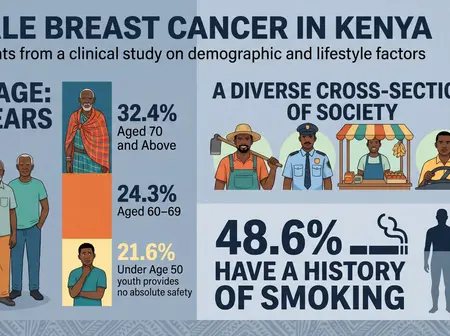
Nakuru, Kenya: In the bustling corridors of Kenyan health facilities, breast cancer is almost exclusively spoken of in the feminine pronoun. October arrives annually in a wave of pink ribbons, and public health crusades aggressively champion early detection, self-examination, and regular mammograms for women.
A person’s poop can vary depending on diet, hydration, and health status. A stool that is hard, runny, or has an unusual colour may indicate a health problem that needs attention. Poop is typically medium to dark brown in colour.Sometimes, poop can vary in colour, texture, amount, and odour.
Kenya is facing renewed pressure to introduce mandatory warning labels on packaged foods, with health advocates arguing that consumers need clearer information about products containing excessive sugar, salt and unhealthy fats.The campaign, led by the Food Policy Coalition Kenya, seeks to compel the government to adopt front-of-pack warning labels that would make it easier for shoppers to identify potentially unhealthy products without having to interpret complicated nutritional tables.
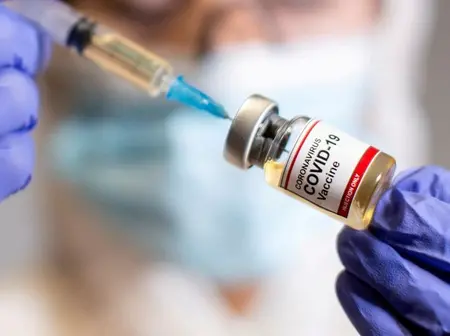
Listen to articleResearchers found that the coronavirus protein PLpro directly activates sensory nerves, triggering coughing, sneezing and pain in findings that could lead to new Covid-19 treatments.A protein produced by the coronavirus can directly trigger coughing, sneezing and pain by activating sensory nerves in the body, scientists have discovered in a finding that could reshape understanding of how Covid-19 causes symptoms.
Kenya has secured a major position in global medical leadership after Dr Joy Mugambi, a member of the Kenya Medical Association (KMA), was elected President-Elect of the Commonwealth Medical Association (CMA).The election places a Kenyan doctor at the helm of one of the world’s leading international medical bodies, which brings together national medical associations and doctors from Commonwealth countries to promote professional standards, healthcare advocacy, medical ethics and collaboration across health systems.