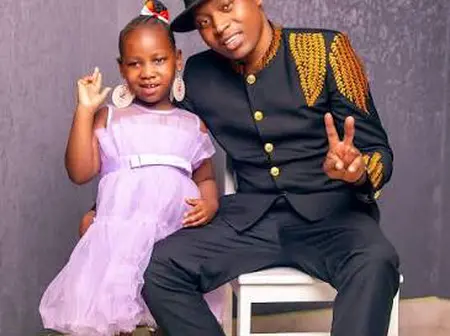
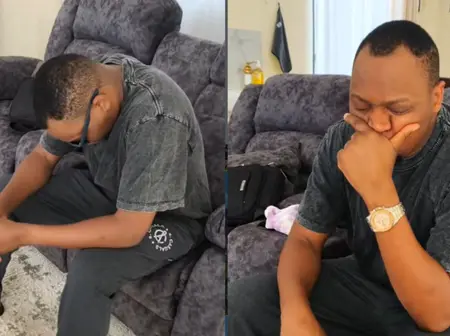
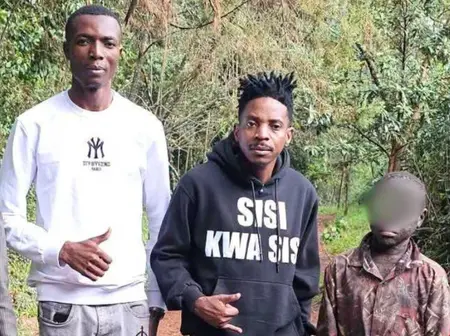
The photographer and social media personality is seeking help from Kenyans as he prepares to travel to India following a worrying update about his left eye.
The appeal was made public by fellow content creator and philanthropist Karangu Muraya on Wednesday, November 18, 2026.
Karangu revealed that Baba Talisha's left cornea had suffered severe damage and that doctors had recommended a transplant. He urged friends, fans and well-wishers to contribute towards his medical expenses and remember him in their prayers.
Baba Talisha has been battling a rare eye infection known as Acanthamoeba Keratitis (AK), which affects the cornea, the transparent front part of the eye.
He first opened up about his condition on November 11, revealing that doctors had conducted more than 14 tests over approximately two months before identifying the infection.
The content creator explained that the condition had caused severe pain, blurred vision and sensitivity to light, making his daily activities increasingly difficult.
He also revealed that his treatment journey could involve surgery or specialised medication that has been difficult to access locally.
His wife, Miss Wanjey, has been keeping followers informed about his condition while supporting him through the difficult period.
The latest development has attracted messages of encouragement from Kenyans, with many expressing concern and wishing him a quick recovery.
As Baba Talisha prepares for further treatment in India, the financial appeal has renewed calls for well-wishers to stand with him during this challenging period.
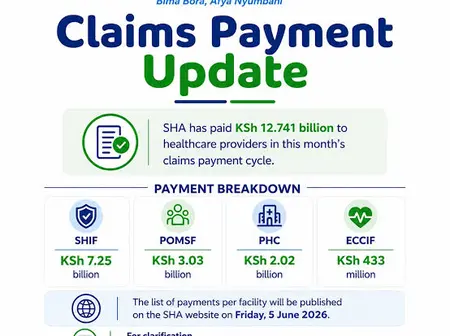
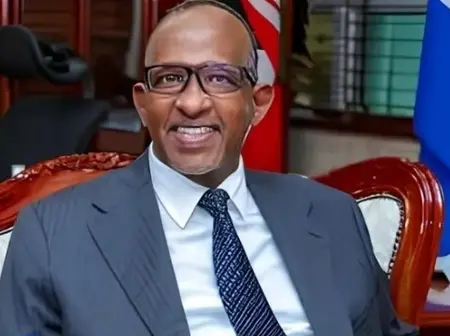
SHA Chief Executive Officer Dr Mercy Mwangangi made the appeal on Wednesday, November 18, 2026, during a healthcare sponsorship programme in Kipkelion East Constituency.
Mwangangi, who represented Health Cabinet Secretary Aden Duale, said Kericho had achieved 74 per cent SHA registration but still had many residents who needed to enrol to access the available medical benefits.
She encouraged those who had not registered to take advantage of the government programme, explaining that registration would help families access healthcare without facing the full financial burden of treatment.
The package caters for several services, including cancer diagnosis, chemotherapy, radiotherapy and other specialised oncology treatments.
Mwangangi noted that cancer remains a major health concern in the country, highlighting breast, cervical, prostate and throat cancers as conditions requiring greater public awareness, early screening and timely medical attention.
Under the enhanced SHA benefits introduced in May 2026, the annual cancer coverage increased from Sh550,000 to Sh800,000, offering additional financial support to patients undergoing treatment.
The CEO also explained that registered residents could access covered primary healthcare services at participating dispensaries and health centres without paying out of pocket.
The initiative, funded through the constituency's National Government Constituencies Development Fund (NG-CDF), seeks to support elderly and financially disadvantaged residents.
Area MP Joseph Cherorot said the programme was intended to ensure vulnerable families could seek medical attention without worrying about immediate healthcare expenses.
The latest appeal comes as the government intensifies efforts to increase SHA registration and expand access to affordable healthcare across the country.
Digital content creator and influencer Baba Talisha has appealed for financial support as he prepares to travel to India for further treatment after revealing that he has lost sight in one of his eyes.The appeal was shared by philanthropist Karangu Muraya on Wednesday, November 18,2026, who asked Kenyans to pray for Baba Talisha and support him financially as he battles a serious eye condition.
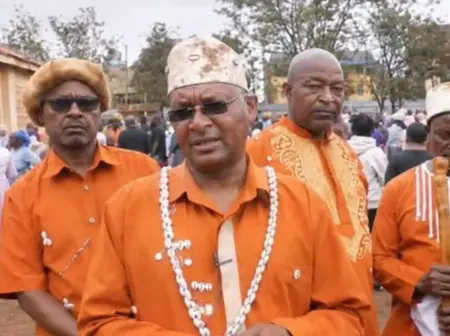
Kikuyu cultural elders have raised concerns over the prolonged use of disposable diapers on young boys, claiming the practice could affect the development of their reproductive organs. The elders have urged parents to reconsider their childcare habits and minimise the use of diapers.
The concerns were raised by members of Kiama Kia Ma, a Kikuyu cultural organisation, following a traditional circumcision ceremony involving more than 100 boys at Hillcrest Academy in Kanunga village, Kiambu County.
Kimando wa Kagwe, the organisation's chairman in Kiambu Sub-County, said elders were concerned after observing that several boys who underwent circumcision appeared to have unusually small reproductive organs for their age.
He claimed that medical specialists involved in the exercise suggested prolonged diaper use and trapped heat could be contributing factors. However, no clinical evidence was presented to establish the alleged connection.
Kagwe also expressed concern about parents who leave their children in wet or soiled diapers for extended periods, warning that poor hygiene could expose babies to health complications.
The elders advised parents to reduce diaper use, particularly when children are spending time indoors. They suggested dressing baby boys in ordinary shorts at home and reserving disposable diapers for travelling and other necessary situations.
A parent, Mery Wangari, supported the elders' concerns, saying some children remain in the same diapers overnight and throughout the following day without being changed.
However, medical research has not established that disposable diapers cause the penis to shrink or prevent normal growth. A 2000 study found higher scrotal temperatures among boys wearing disposable diapers but did not prove reduced genital development.
The warning comes days after comedian Eric Omondi spearheaded a fundraising drive that reportedly raised KSh10.2 million for 17-year-old Bryson Makokha, a teenager from Bungoma County living with a rare skin condition.
In a statement issued on Tuesday, November 17, Principal Secretary for the State Department for Children Services Carren Ageng'o raised concerns over the growing practice of sharing children's photographs, videos and personal circumstances online to attract financial assistance.
Although the department did not mention Omondi or Bryson's fundraiser by name, it urged individuals and organisations to exercise caution when publicising charitable activities involving minors.
Ageng'o maintained that a child's difficult circumstances should never become a tool for publicity, fundraising or personal benefit at the expense of their dignity and privacy.
The department warned that publicly revealing a child's identity, medical condition or family situation could expose them to discrimination, stigma, bullying and possible exploitation.
It emphasised that children should be able to receive financial and medical assistance without being forced to have their private lives displayed before millions of social media users.
The statement also clarified that obtaining permission from a parent or guardian does not automatically make it appropriate to publish a child's personal information.
According to the department, the child's welfare and best interests must remain the priority whenever photographs, videos or personal stories are considered for public use.
The government cited the Constitution of Kenya, the Children Act 2022 and the Data Protection Act 2019 as some of the legal frameworks protecting children's rights, privacy and personal information.
It encouraged people conducting legitimate fundraising campaigns to consider safer approaches, including blurring children's faces and sharing anonymised accounts of their circumstances whenever publicity is necessary and lawful.
The department further urged Kenyans to report children in need of protection through the nearest sub-county children's office or by contacting the Child Helpline on 116.
The announcement follows the widespread attention surrounding Bryson, whose story attracted sympathy after a video showing him selling bananas by the roadside went viral.
The teenager comes from Lukhuna village in Chwele, Bungoma County. His plight became widely known after content creator Minister Zydo shared a video highlighting the difficulties he faced while trying to earn a living.
Bryson explained that some customers avoided buying his bananas because of his skin condition, which he had reportedly battled for approximately eight years.
His story subsequently reached Eric Omondi, who took up the matter through his Sisi Kwa Sisi initiative and appealed to Kenyans to contribute towards the teenager's treatment and improve his family's living conditions.
The campaign attracted substantial support, with contributions reportedly reaching KSh8.8 million within two days before Omondi announced that the total had risen to KSh10.2 million.
The money was intended to cater for Bryson's medical treatment, his mother's healthcare, housing, education and the establishment of a sustainable family business.
In a related development, Bryson has begun receiving treatment at Luton Hospital, where a team of eight doctors is overseeing his medical care.
Omondi shared footage of the teenager undergoing his first treatment session, which involved soaking in specially treated water as medical professionals began addressing his skin condition.
The comedian also indicated that the fundraising proceeds would support Bryson's mother, facilitate the teenager's return to school and help the family establish a small business.
While social media campaigns can help families access medical care and other essential support, the department insists that a child's dignity, privacy and future must not be compromised in the process.
Patients using the Social Health Authority (SHA) have received good news after the government introduced a new messaging system to track whether they receive their prescribed medicine.
Health Cabinet Secretary Aden Duale announced that the new system will help end the common complaint of "hakuna dawa" in public hospitals.
Speaking on Tuesday, Duale said that from last week, every Kenyan who visits a hospital and gets a prescription will receive a message asking whether they were given the medicine.
The message will ask: "Have you received your prescribed medicine?" Patients will be expected to reply with 1 for Yes or 2 for No.
The government says the move will help it know in real time which hospitals are failing to give patients medicine, and take action against facilities that deny patients drugs yet claim money from SHA.
The new system is also expected to expose hospitals that have been giving patients prescriptions to buy medicine outside, even after receiving funds from the government.
Kenyans have welcomed the move, saying it will improve accountability and ensure patients get value for their SHA contributions.
Duale urged Kenyans to always respond to the messages, saying their feedback will help the government fix the gaps in the health sector.
The Ministry of Health says more reforms are coming to make SHA work better for all Kenyans.
Have you received the SHA message after visiting a hospital? Share your experience in the comments.
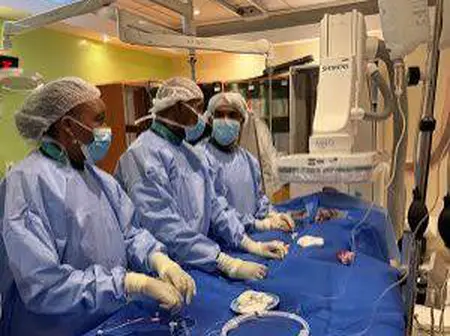
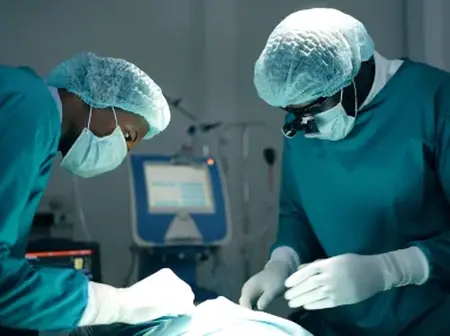
The patient was a 30-year-old industrial worker who lost his entire right arm in a workplace accident, according to People Daily. He was rushed to the hospital as an emergency case. The clinical team first stabilised his condition before preparing for advanced surgical care.
The operation lasted 10 hours, according to Aga Khan University Hospital. It brought together specialists from five areas: Plastic and Reconstructive Surgery, Orthopaedic Surgery, Vascular Surgery, Anaesthesia, and Critical Care. Replantation is a procedure in which surgeons reattach a completely severed body part and restore blood circulation to it.
Dr Esther Gathura, Section Head and Consultant Plastic, Hand and Reconstructive Surgeon at the hospital, said the procedure required exceptional surgical precision, specialised microsurgical expertise, and close coordination among several medical teams, according to the hospital.
The orthopaedic team was led by Dr Edward Jenner, Consultant Orthopaedic Surgeon. His team played a key role in restoring and stabilising the arm's skeletal structure before other tissues could be reconnected, according to Aga Khan University Hospital.
Dr Gathura explained that time is critical in such cases, according to People Daily. For an entire arm, the muscles have only about six hours before they suffer lasting damage without blood supply. That is why the team had to work quickly to restore circulation.
The patient is now stable and has been moved out of intensive care, according to Tuko and The Eastleigh Voice. Doctors say the reattached arm remains viable, with a good blood supply. The patient has started early rehabilitation to support the gradual recovery of movement and sensation.
The hospital said this achievement builds on its experience in complex reconstructive surgery. Earlier this year, the hospital successfully reattached three amputated fingers belonging to a woman who sustained injuries in a separate workplace accident. She has since recovered and returned to her normal life, according to People Daily.
The hospital said the procedures demonstrate the growing capacity for specialised surgical care in Kenya and the wider East African region, particularly in treating severe traumatic injuries that require collaboration across multiple medical disciplines, according to The Eastleigh Voice.
For many Kenyans, the story is a sign of hope. It shows that complex surgery that once required travel abroad can now be done in Nairobi. It also highlights the importance of quick emergency response in workplace accidents, and the need for safety measures in factories and industrial sites across the country.
Sources: Tuko, The Eastleigh Voice, People Daily, Aga Khan University Hospital, November 18, 2026.
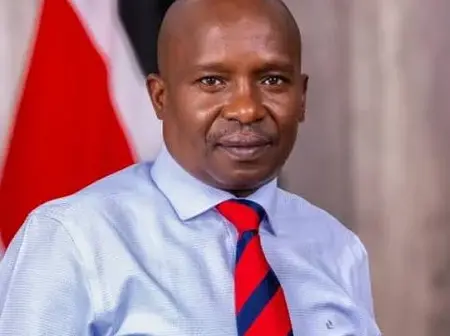
According to the information provided, the campaign is intended to strengthen the government's ongoing crackdown on illicit alcoholic drinks and narcotic substances, which remain a concern for public health and security.
The initiative is expected to provide a nationwide framework for intensifying efforts against the production, distribution and consumption of illegal alcoholic products and drugs.
The meeting brought together members of the National Steering Committee, which is tasked with coordinating government interventions against illicit alcohol and substance abuse.
Kindiki's approval signals the government's intention to strengthen coordination among relevant agencies and increase public involvement in addressing the problem.
The campaign's name, Okoa Jamii, Jenga Taifa, translates to saving society and building the nation, reflecting its stated focus on protecting communities from the effects of substance abuse.
The nationwide initiative comes amid continued government efforts to address the social and economic consequences associated with illicit alcohol and narcotic drugs.
However, further details regarding the campaign's official launch date, implementation schedule, participating agencies and specific enforcement measures were not provided in the information available.
The government is expected to provide additional information on how the initiative will be implemented across counties and the role different agencies will play in the crackdown.
The effectiveness of the campaign will depend on coordination between national and county authorities, enforcement agencies and communities in identifying and addressing the distribution of illegal substances.https://www.facebook.com/share/p/1AA5DBReew/
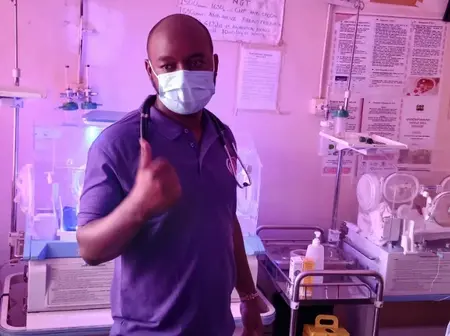
Health professionals have attributed the concerning trend partly to maternal health complications, including hypertension, diabetes and malaria, warning that failure to detect and manage such conditions during pregnancy can increase the risk of early delivery.
Dr Dickens Lubanga, a paediatrician at Webuye County Hospital, said underlying medical conditions, maternal age and multiple pregnancies are among the factors associated with premature births.
He raised the concerns during activities marking World Prematurity Day, where healthcare professionals highlighted the challenges facing mothers and newborns requiring specialised medical attention.
Premature birth occurs when a baby is delivered before completing 37 weeks of pregnancy. A full-term pregnancy typically lasts approximately 40 weeks.
According to Lubanga, women below the age of 17 and those above 35 may face increased risks of premature delivery. He also identified hypertension, diabetes and malaria as conditions that require careful monitoring throughout pregnancy.
"When these diseases are not properly managed, they can easily lead to babies being born earlier than expected," he said.
The paediatrician urged expectant mothers to attend all eight recommended antenatal clinic visits to allow healthcare workers to monitor their health, identify complications early and assess the development of their unborn babies.
The importance of specialised newborn care was also highlighted through the experience of Millicent Wabukala, a mother who delivered a baby weighing 2.3 kilogrammes.
Shortly after birth, the newborn developed jaundice, a condition that causes yellowing of the skin and eyes due to elevated levels of bilirubin in the blood.
The baby was admitted to the Newborn Unit at Webuye County Hospital, where medical professionals placed the child under phototherapy to manage the condition and monitored the newborn's progress.
Wabukala recalled that the experience was emotionally difficult, particularly because she was uncertain whether her baby would survive.
She said the uncertainty and stress took a significant psychological toll on her, nearly developing into a mental health challenge.
The mother expressed gratitude to the doctors, nurses and other healthcare workers who supported her family throughout the difficult period.
"I want to thank the healthcare providers and nurses at Webuye County Hospital for the care and dedication they showed in ensuring that my baby survived. It was not an easy journey, but their support gave me hope," she said.
Wabukala added that her child had made encouraging progress, gaining weight from 2.3 kilogrammes at birth to 10.5 kilogrammes.
Her experience illustrates the challenges families can face when newborns require specialised treatment and prolonged medical attention after delivery.
The high rate of premature births in Bungoma has renewed attention on the importance of accessible antenatal services, timely treatment of pregnancy-related complications and properly equipped newborn units.
For families whose children arrive before completing the normal pregnancy period, access to specialised newborn care can also make a significant difference in their recovery and development.
Listen to articleThe 10-hour operation involved reconnecting the amputated arm to restore blood circulation and give the patient a chance of regaining movement and sensation.Aga Khan University Hospital has achieved a major surgical milestone after successfully reattaching a patient's completely severed right arm following a severe industrial accident, in what it describes as the first documented full-arm replantation procedure in East Africa.