Category: Health

  • Ruto Says SHA Is Protecting Families From Selling Land and Livestock to Pay Medical Bills

    Ruto Says SHA Is Protecting Families From Selling Land and Livestock to Pay Medical Bills

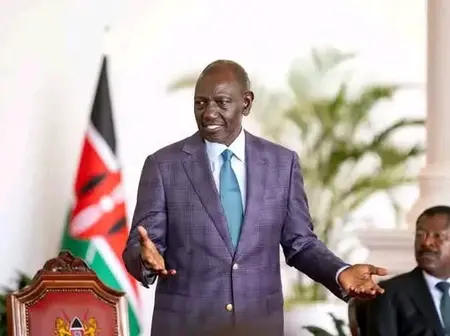
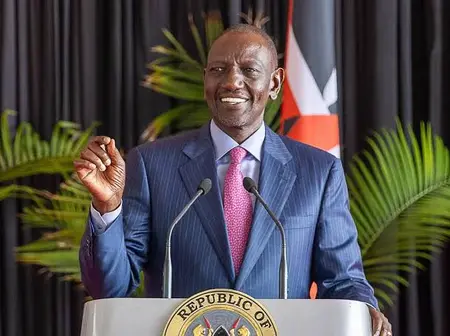
    Speaking during his State of the Nation Address on Wednesday, November 18, Ruto said the high cost of healthcare had pushed many Kenyan households into financial difficulties, with some forced to borrow money or abandon treatment because they could not afford hospital bills.

    The President said the SHA reforms were designed to ease this burden by spreading healthcare costs across a wider pool of contributors rather than leaving individual families to meet expensive medical bills.

    He particularly highlighted patients suffering from cancer and kidney disease, saying their treatment often requires substantial financial resources that ordinary households struggle to raise.

    Ruto revealed that 53,465 cancer patients and 24,468 people undergoing dialysis were receiving treatment through the system. He also reported that 89 patients had undergone kidney transplants.

    According to the Head of State, financing such procedures collectively was helping families avoid selling valuable assets or depending entirely on contributions from relatives and friends.

    Ruto further disclosed that SHA registration had increased to 33.7 million Kenyans, compared to approximately eight million people who were registered under the National Hospital Insurance Fund (NHIF) in 2022.

    He argued that the expanded coverage demonstrated the government's efforts to bring more citizens into the national healthcare financing system.

    However, the President acknowledged that the transition from NHIF to SHA had experienced initial difficulties, adding that his administration had taken note of complaints raised by Kenyans.

    The new health financing framework has faced criticism over registration challenges, delays in processing claims and difficulties accessing services in some healthcare facilities.

    Ruto maintained that the government remained committed to improving the system and reducing the financial consequences of illness.

    He said the ultimate objective was to ensure that medical emergencies no longer pushed previously stable families into poverty.

    The President also linked affordable healthcare to his administration's wider economic agenda, arguing that reducing medical expenses would leave households with more resources to meet other essential needs.

    https://peopledaily.digital/inside-politics/ruto-sha-is-saving-families-from-selling-land-and-livestock-to-pay-hospital-bills
  • Kenyan Doctors Reattach Industrial Worker’s Severed Arm After 10-Hour Operation

    Kenyan Doctors Reattach Industrial Worker’s Severed Arm After 10-Hour Operation

    The worker sustained the devastating injury after his arm was caught in industrial machinery at his workplace. His colleagues quickly retrieved the detached limb and rushed it to Aga Khan University Hospital in Nairobi, where specialists prepared for an emergency operation.

    Doctors faced a serious challenge because the muscles in a completely severed arm can only survive for approximately six hours without blood circulation.

    Dr Esther Gathura, a consultant plastic, hand and reconstructive surgeon at the hospital, explained that the medical team was approaching this critical deadline when the patient reached the operating theatre.

    She said the surgeons had to work with exceptional speed to restore blood supply before the muscle tissues suffered irreversible damage.

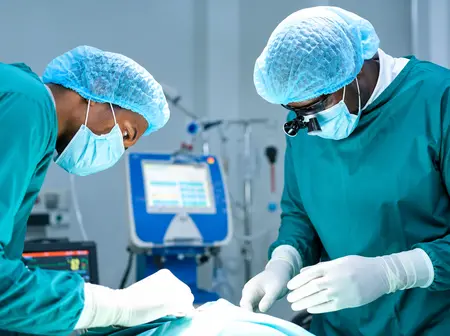
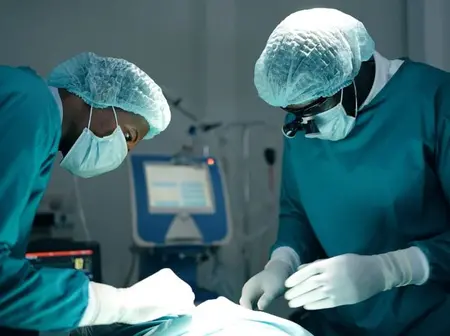
    The procedure lasted 10 hours and involved specialists from several medical departments, including plastic surgery, orthopaedics, vascular surgery, anaesthesia and critical care.

    The team had to reconnect several structures, including bones, muscles, tendons, blood vessels and major nerves, to give the arm a chance of functioning again.

    Dr Edward Jenner, a consultant orthopaedic surgeon, explained that stabilising the bones was an essential part of the procedure because the reconstructed skeletal structure would support the healing of other tissues.

    Following the operation, the patient was taken to the critical care unit before being moved to the general ward. He also underwent rehabilitation and additional medical procedures as doctors monitored his recovery.

    Dr Gathura confirmed that the reattached arm remained viable and had maintained good blood circulation. The patient has since been allowed to leave the hospital.

    The medical achievement is particularly significant for the worker and his family because losing an entire arm could have permanently affected his ability to earn a living.

    The hospital described the procedure as the first documented successful full-arm replantation of its kind in East Africa.

    The achievement follows another successful operation at the facility earlier in 2026, when surgeons restored three amputated fingers belonging to a woman injured in a workplace accident.

    The case has also highlighted the importance of rapid emergency response following industrial accidents, with doctors stressing that the time taken to reach specialised medical care can determine whether an amputated limb can be saved.

    https://peopledaily.digital/news/six-hours-to-save-a-workers-arm-how-surgeons-raced-against-time-to-prevent-lifelong-disability

  • Huduma Kenya Clarifies Birth Certificate Rules for Mothers: “Parents’ Details Must Be Correct

    Huduma Kenya Clarifies Birth Certificate Rules for Mothers: “Parents’ Details Must Be Correct

    During a Facebook live engagement on Wednesday, November 18, 2026, the agency explained that teenage mothers do not need an ID when providing their details during the birth registration process at a hospital.

    The agency cautioned young mothers against using their parents' or grandparents' details as substitutes for their own information. It warned that doing so could result in grandparents being officially recorded as the child's biological parents, making future corrections difficult. Changing such information may require a court process, which can be expensive and time-consuming.

    The clarification comes amid concerns over teenage pregnancies in Kenya. According to the Kenya National Bureau of Statistics (KNBS), 11.9 per cent of girls aged between 15 and 19 had experienced pregnancy as of November 2026. Meanwhile, Kenyans become eligible to apply for national identity cards upon attaining the age of 18.

    Source courtesy of https://www.facebook.com/100064288795404/posts/1585526456933632/?app=fbl

  • Ruto Announces KSh 34 Billion to Clear Pending Bills Owed to Universities and Hospitals

    Ruto Announces KSh 34 Billion to Clear Pending Bills Owed to Universities and Hospitals

    Universities and hospitals across Kenya are set to receive financial relief after President William Ruto announced a KSh 34 billion allocation to settle long-standing debts owed to the institutions.

    Ruto made the announcement on Wednesday, November 18, 2026, during his State of the Nation Address to Parliament. He said KSh 18 billion would go towards clearing outstanding payments owed to public and private universities. Another KSh 16 billion will be used to settle unpaid claims owed to public and private hospitals under the now-defunct National Hospital Insurance Fund (NHIF).

    According to the President, the National Treasury is already processing the funds and expects to release the money in the coming weeks. The announcement comes after years of financial difficulties among universities and health facilities. Many institutions have struggled to pay salaries, purchase essential supplies, and meet their daily operating costs due to delayed payments and accumulated debts.

    The allocation is expected to ease some of these financial challenges and help institutions meet their obligations. For universities, clearing the outstanding debts could provide relief to institutions that have faced pressure over unpaid bills. Hospitals may also use the payments to settle pending claims and strengthen their ability to provide healthcare services. The announcement is also welcome news for lecturers, university students, doctors and hospital administrators who have been affected by the financial difficulties facing the institutions.

    However, the money has not yet been fully disbursed. Institutions will have to wait for the Treasury to complete the process and release the funds before they can begin receiving the expected relief. The KSh 34 billion allocation marks a major government commitment towards addressing pending bills in Kenya’s education and healthcare sectors.

  • Ruto Reveals This About SHA

    Ruto Reveals This About SHA

    Speaking about the achievements of his administration, Ruto said the expanded registration demonstrates the government's efforts to increase access to healthcare and ensure more Kenyans are covered by the national health insurance programme.

    The President highlighted the figures while defending the government's decision to replace NHIF with SHA, arguing that the new system is designed to reach more households, including people who previously had limited access to formal health insurance.

    Under the new healthcare framework, SHA oversees different health financing arrangements, including the Social Health Insurance Fund (SHIF), the Primary Healthcare Fund and the Emergency, Chronic and Critical Illness Fund.

    The government has maintained that the reforms are intended to make healthcare more accessible and reduce the financial burden placed on families when seeking medical treatment.

    Ruto's latest announcement comes amid continued public debate over the implementation of SHA, with Kenyans raising questions about registration, contribution requirements, hospital access and the process of receiving medical services.

    While the government has continued to promote the expanded registration figures as evidence of progress, some patients have reported challenges when accessing services at health facilities.

    The President's remarks are therefore likely to attract mixed reactions, particularly among Kenyans who have experienced difficulties navigating the new healthcare system.

    In a statement shared on Wednesday, November 18, Ruto said 33.7 million Kenyans were registered with SHA, compared with approximately 8 million under NHIF in 2022.

    The figures highlight the scale of the government's registration campaign, although the actual effectiveness of the programme will also depend on the quality, accessibility and reliability of healthcare services offered to registered members.

    Kenyans will be watching closely as the government continues implementing the new healthcare financing system.

  • Baba Talisha’s Eye Condition Worsens as,Loses His Left Eye As Kenyans Rally Behind Him

    Baba Talisha’s Eye Condition Worsens as,Loses His Left Eye As Kenyans Rally Behind Him

    Kenyan content creator and photographer Baba Talisha is facing one of the most difficult moments of his life after his battle with a rare eye infection reportedly took a worrying turn.

    The popular social media personality, who has been sharing updates about his health struggles, is now facing the possibility of undergoing a corneal transplant after doctors reportedly confirmed severe damage to his left cornea.

    The latest development was shared by fellow content creator Karangu Muraya, who appealed to Kenyans to stand with Baba Talisha during this difficult period.According to Karangu, doctors have referred him to India for further specialised treatment as his family continues searching for a solution to the condition.

    Baba Talisha first opened up about his health struggles on November 11, revealing that he had been battling a rare infection known as Acanthamoeba Keratitis.

    The content creator disclosed that it had taken more than 14 medical tests over an extended period before doctors finally identified the condition.

    The infection affects the cornea, the transparent outer layer of the eye, and can cause severe pain, blurred vision and sensitivity to light.

    His condition has reportedly affected his ability to work and perform some of his normal daily activities.

    Throughout the difficult journey, his wife, Miss Wanjey, has continued offering him emotional support.On November 17, she shared an emotional message expressing her commitment to standing by her husband through the health challenges.

    Her message, which included the words "In sickness and in health", reflected the family's determination to face the difficult period together.

    She also acknowledged that the latest medical developments were not what they had hoped for but remained hopeful.

    Following the latest development, Karangu Muraya called upon Kenyans, friends and well-wishers to support Baba Talisha as he seeks specialised medical attention.

    The appeal has renewed concern among his followers, many of whom have been following his health journey.

    For someone whose work revolves around photography and content creation, the possibility of permanent damage to his eyesight presents an especially difficult challenge.

    As he prepares for the next stage of treatment, many Kenyans are hoping that the medical intervention will offer him a chance to recover his vision.

  • Aga Khan Hospital Makes History with First Full-Arm Replantation Surgery in East Africa

    Aga Khan Hospital Makes History with First Full-Arm Replantation Surgery in East Africa

    Aga Khan University Hospital has successfully completed a 10-hour operation, to reattach a patient's right arm after it was completely severed in an industrial accident.

    The procedure is the first documented full-arm replantation surgery in East Africa, marking a significant milestone in the region's specialist surgical capabilities.

    The complex operation brought together a multidisciplinary team of specialists drawn from five medical disciplines: Plastic and Reconstructive Surgery, Orthopaedic Surgery, Vascular Surgery, Anaesthesia and Critical Care.

    Doctors had to restore blood circulation to the amputated limb while reconnecting several structures, including bones, muscles, tendons and major nerves. The delicate process required close coordination to give the patient a chance of recovering the use of the arm.

    Dr Esther Gathura, the hospital's Section Head and Consultant Plastic, Hand and Reconstructive Surgeon, described the procedure as particularly challenging because of the extent of the injury.

    She explained that replanting an entire arm is considerably more complicated than reconnecting fingers or a hand, as surgeons must balance the patient's survival with efforts to restore limb function.

    According to Gathura, the team had to work quickly to re-establish blood flow while carefully repairing the different structures that make up the arm.

    She said the successful operation demonstrated the importance of specialised surgical skills, timely intervention and coordinated care when handling severe injuries.

    The orthopaedic aspect of the procedure was led by Dr Edward Jenner, a Consultant Orthopaedic Surgeon at the hospital.

    His team concentrated on stabilising the arm's skeletal framework, providing the structural foundation needed for the other surgical teams to complete the reattachment.

    The operation required specialists from the different departments to work together throughout the 10-hour procedure, given the complexity of reconnecting the major blood vessels, nerves and other tissues.

    The achievement highlights the level of advanced surgical care available in the region and places the hospital, among facilities capable of undertaking highly complex limb-replantation procedures.

    LINK: https://www.tuko.co.ke/kenya/647129-aga-khan-university-hospital-performs-full-arm-replantation-surgery-east-africa/

  • Ruto Announces 33.7 Million Kenyans Registered Under SHA, Up From 8 Million Under NHIF in 2022

    Ruto Announces 33.7 Million Kenyans Registered Under SHA, Up From 8 Million Under NHIF in 2022

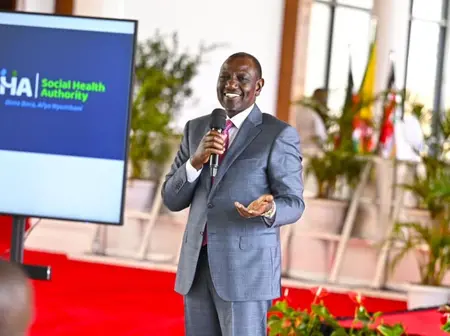
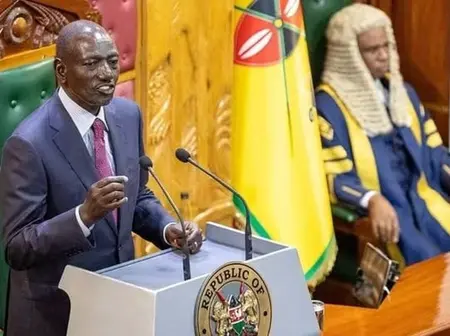
    Speaking during his 2026 State of the Nation Address at Parliament Buildings in Nairobi on Wednesday, November 18, Ruto presented the figures as evidence of progress made in transforming the country's healthcare system.

    "Today, 33.7 million Kenyans are registered with SHA, compared with approximately 8 million registered under NHIF in 2022," the President stated.

    The announcement comes about two years after SHA replaced NHIF in October 2024 as part of the government's plan to achieve Universal Health Coverage.

    Under the new system, Kenyans are expected to access healthcare through different funds, including the Primary Healthcare Fund, the Social Health Insurance Fund and the Emergency, Chronic and Critical Illness Fund.

    The government says the reforms are designed to ensure that more citizens can receive medical services without facing overwhelming financial pressure.

    However, the transition has also attracted criticism from patients and healthcare providers over registration challenges, delayed payments, system failures and difficulties accessing certain medical services.

    Health Cabinet Secretary Aden Duale has previously acknowledged some of the challenges and said the ministry was working to improve the system.

    The latest registration figures come at a time when healthcare remains one of the major issues affecting households across the country.

    Many Kenyans are keen to understand how the expanded coverage will translate into affordable treatment, reliable hospital services and timely access to medicines.

    Ruto's announcement was part of his wider address, during which he highlighted achievements in different sectors and defended his administration's development agenda.

    As the 2027 General Election approaches, the implementation of SHA is likely to remain an important issue in assessing the government's performance.

    Ultimately, Kenyans will be looking beyond registration numbers to see whether the system delivers quality healthcare when they need it.

  • Ruto Highlights Painful Reality Facing Families Unable to Afford Medical Treatment

    Ruto Highlights Painful Reality Facing Families Unable to Afford Medical Treatment

    The President made the remarks during his State of the Nation Address, where he discussed the burden that healthcare costs continue to place on ordinary Kenyan households. His statement focused on the financial difficulties families experience when a member becomes seriously ill and requires expensive medical attention.

    According to Ruto, falling ill should not mean losing everything a family has worked for over several years. However, for many Kenyans, medical emergencies can quickly turn into financial disasters, forcing them to make difficult decisions about their property, savings and future.

    In his statement, the President said: “A serious illness can wipe out years of savings and productive effort. For many Kenyans, falling ill means selling land, borrowing funds or abandoning treatment altogether. That is the burden we set to rid off through our healthcare systems.”

    The remarks highlight the connection between access to healthcare and financial security. When families cannot afford treatment, they may be forced to sell valuable assets or take loans that can leave them struggling long after the medical emergency has passed.

    The situation also raises concerns about people who cannot complete treatment because of financial difficulties. For such households, the consequences of illness go beyond physical suffering, as unpaid bills and lost income can affect children's education, family businesses and other essential responsibilities.

    Ruto's comments suggest that his administration wants the country's healthcare systems to reduce the financial pressure associated with serious illnesses. The President's message places particular attention on protecting families from having to sacrifice years of hard work simply to access medical care.

    However, many Kenyans will be interested in seeing how this commitment translates into practical improvements in hospitals, treatment affordability and access to essential medical services.

    Source: https://x.com/fourtheyenews/status/2123030956801991125?a=P4Y88NglCqvYmtjQiXk&s=19

  • Sakaja Reveals How Nairobi Hospitals Increased Revenue From KSh 800 Million to KSh 2.6 Billion

    Sakaja Reveals How Nairobi Hospitals Increased Revenue From KSh 800 Million to KSh 2.6 Billion

    The county government is now targeting KSh 4 billion in annual revenue from its health facilities during the current financial year, following the significant increase.

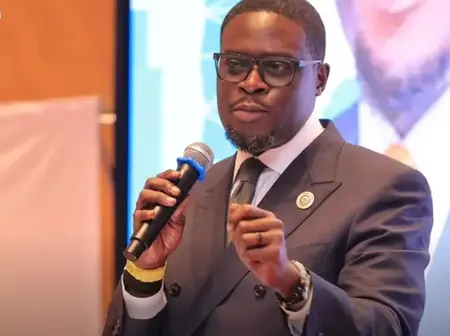
    Sakaja announced the figures on Wednesday, November 18, during the Third Annual Nairobi Health Scientific Conference, which brought together healthcare professionals, researchers, policymakers and development partners.

    The conference was held under the theme One Health in Action: Building Resilient, Climate-Smart and Equitable Health Systems for Universal Health Coverage.

    The governor attributed the improved revenue collection to reforms introduced under the Social Health Authority (SHA), better management of medical claims and the implementation of Facility Improvement Financing.

    He explained that the changes had enabled public hospitals to receive reimbursements for services offered to patients, giving them additional resources to improve healthcare delivery.

    According to Sakaja, the county has registered approximately three million residents under SHA, representing more than 60% of Nairobi's population.

    He said the funds received through the health financing system were being directed towards purchasing medicines, improving diagnostic services, maintaining medical equipment and supporting community outreach programmes.

    The governor also highlighted individual health facilities that had recorded remarkable improvements in their revenue collection.

    Riruta Health Centre, which previously collected approximately KSh 100,000 annually, now generates about KSh 6 million every month.

    Westlands Health Centre has also recorded significant growth, with its monthly revenue increasing from approximately KSh 200,000 to KSh 6 million.

    Meanwhile, Pangani Health Centre currently generates approximately KSh 1 million monthly.

    Nairobi County's Health, Wellness and Nutrition Executive Committee Member, Suzanne Silantoi, said 99% of county health facilities had been digitised and integrated into the SHA system.

    The digital transformation has enabled hospitals to submit claims electronically and receive reimbursements for services provided to patients.

    Health Cabinet Secretary Aden Duale praised Nairobi County for its progress in strengthening primary healthcare and expanding access to specialised medical services.

    Duale particularly recognised the establishment of the Nairobi County Cancer Centre, which he described as the first public cancer facility of its kind in the city.

    He also commended the county for employing the highest number of Community Health Workers nationally and providing them with stipends.

    The CS disclosed that approximately three million of the 33 million Kenyans registered under SHA were from Nairobi.

    He put the figure at approximately 69% of the county's population, describing the enrolment numbers as evidence of Nairobi's commitment to primary healthcare.

    The county currently operates 782 Community Health Units supported by 7,820 Community Health Promoters.

    The workers conduct household visits, promote immunisation, monitor disease outbreaks and support mothers and families in accessing essential health services.

    Sakaja further revealed that the county was introducing artificial intelligence-assisted digital X-ray screening to improve tuberculosis detection.

    The technology is expected to strengthen diagnostic services by helping medical teams identify suspected tuberculosis cases more efficiently.

    Nairobi County Chief Officer for Medical Services Maryam Dahir also highlighted improvements in emergency response services.

    She said residents could access emergency assistance through the county's 1508 hotline.

    Despite the increase in revenue, Sakaja maintained that the reforms were not intended to commercialise public hospitals or make healthcare unaffordable.

    The three-day health conference is expected to produce recommendations aimed at strengthening Nairobi's healthcare system and advancing Universal Health Coverage.

    Source