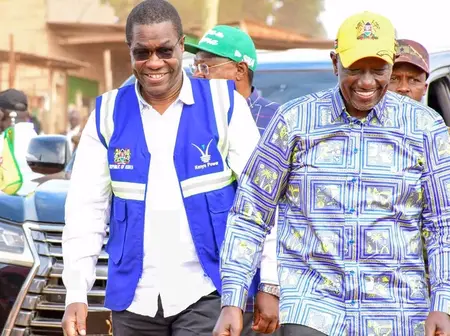
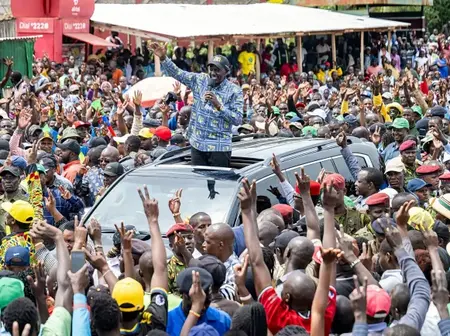
In a statement, Opiyo Wandayi said the Kaptalelio project is among 27 LMCP projects being implemented in Mt Elgon Constituency at a combined investment of KSh177.9 million. The programme is expected to reach 2,833 households across the constituency.
The Kaptalelio project alone is expected to connect 122 households, as well as support numerous small businesses. Once completed, the electricity connections will extend power to homes, enterprises and essential services, potentially improving the conditions for business operations and access to services in the area.
The President also launched the Bukhembe–Masaek–Cheptais Road, another project expected to strengthen transport links within the region. Better road access can make it easier for residents to travel and for traders to move goods to markets.
Wandayi described the electricity, road and land initiatives as connected elements of the government's Bottom-Up Economic Transformation Agenda (BETA). The approach, as outlined in his statement, is that electricity can support productivity, improved roads can open up markets, while secure land ownership can help protect livelihoods.
The projects place attention on practical needs that affect households, small businesses and service delivery. Their impact, however, will ultimately be measured by timely completion, reliable electricity connections, usable roads and the proper processing of land ownership documents.
As the projects move forward, residents will be watching to see how the announced investments translate into lasting improvements in their communities. What is your view on the development projects announced in Mt Elgon? Share your remarks, views and comments in the comment section.
Energy and Petroleum Regulatory Authority (EPRA) Director General, Engineer Edward Kinyua, has explained why Kenya will not immediately begin processing crude oil from the Turkana oil fields, despite plans to start exporting the commodity in the first quarter of 2027.
The explanation comes as Kenya enters a new phase of oil development in the South Lokichar Basin, where drilling operations at the Amosing and Ngamia fields are targeting an initial production of 20,000 barrels per day, with the possibility of increasing output to 50,000 barrels in the second phase.
According to the EPRA boss, Kenya will initially export its crude oil to international markets as it awaits the construction of a refinery in Lamu.
“Crude will be exported from Q1 of 2027, but of course, when you saw His Excellency launch the refinery at Lamu, the timelines for that refinery were given as 40 months. So for now, we’ll be exporting the crude until that refinery comes into place,” the EPRA boss said on Friday, November 20, 2026.
Kinyua added that Kenya’s crude oil would be sold using international price benchmarks, meaning the country would continue importing refined petroleum products even after exports begin.
Energy and Petroleum Cabinet Secretary Opiyo Wandayi, on November 20, 2026, said the project had moved from the groundbreaking stage to actual drilling in less than seven months.
“In April, we were here when we did the groundbreaking for the operations in this Amosing 1 place. Less than seven months later, we are here today doing the spudding. And today is essentially the start, the official start or commencement of drilling operations,” Wandayi said.
The first phase of the project is expected to produce 20,000 barrels of crude oil daily, with plans to expand capacity to 50,000 barrels per day in the second phase.
The project has brought together local and international companies, with stakeholders highlighting collaboration, technology transfer and local expertise as critical to its implementation.
Roads and Transport Cabinet Secretary Davis Chirchir said partnerships between Kenyan and foreign firms would help address challenges experienced during previous operations in remote areas.
“This is when international firms and local firms do come together and build synergy. We are able to bridge the challenges that we saw previously when an international company alone worked in a rural setup like this,” Chirchir said.
The operations are also expected to rely on advanced technology, experienced personnel and strict safety standards to support the drilling programme.
Attention is now turning to December 1, when Gulf Energy expects to strike oil as part of the ongoing drilling programme.
A successful outcome would mark another significant milestone for Kenya’s petroleum industry and potentially open up new economic opportunities for Turkana County.
The project is expected to create opportunities in employment, local businesses and supporting industries, while positioning Kenya as a crude oil producer in the regional and international energy market.
However, the long-term economic benefits will depend on the scale of commercially viable production, infrastructure development and the country’s ability to manage revenues from the petroleum sector.
Rono is a digital journalist with a proven track record in newsroom leadership and content creation. Currently a Digital Writer for People Daily Digital, Emmanuel’s career is rooted in a lifelong passion for storytelling. Let's talk here: emmanuel.rono@mediamax.ke or ronoemmanuel685@gmail.com
In a statement shared after the event, Barasa described the project as an investment in modern trading infrastructure and grassroots economic growth. The foundation-stone ceremony marks the beginning of construction, raising expectations among traders and residents who stand to benefit from improved market facilities once the project is completed.
Markets play an important role in local economies. They provide spaces where farmers, small-scale traders, retailers and consumers meet, helping goods move from producers to buyers. For many households, market activity is also a source of daily income and employment. Improving such facilities can therefore support more organised trading and create a better environment for businesses to operate.
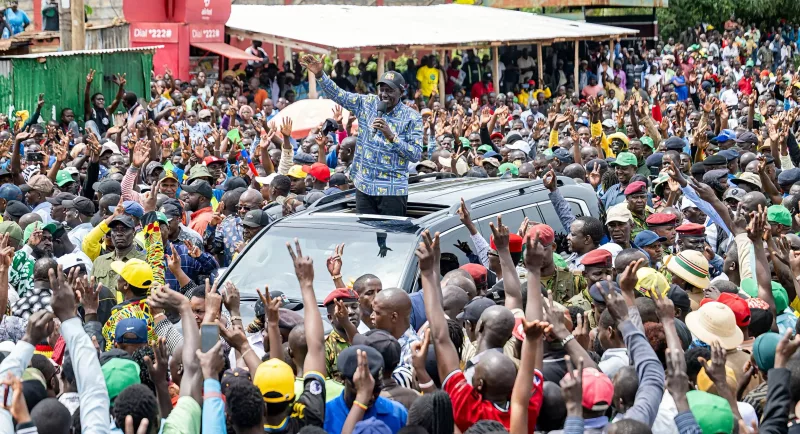
Barasa's update also placed the project in the wider context of development in Bungoma County, using the hashtag #TibaYaBungoma. Images accompanying his statement showed a large gathering during the President's visit. His post did not, however, provide details on the project's total cost, construction timeline or the specific facilities planned for the market.
As construction gets underway, residents will be watching for visible progress and clear information on when the market will be ready for use. A well-delivered facility could strengthen trade in Sirisia and offer local entrepreneurs a more suitable place to conduct business.
What are your views on the commencement of the Sirisia ESP Market project? Share your remarks, views and comments in the comment section below.
For Kenyan farmers, a successful harvest begins long before seeds are planted in the soil. It starts with accessing genuine, high-quality planting materials that can withstand changing climatic conditions and deliver good yields. Yet, for many farmers, finding certified seeds remains a persistent challenge.
The growing presence of counterfeit and sub-standard seeds in the market has become a major concern for the agricultural sector. Farmers who unknowingly purchase fake seeds risk poor germination, weak crop growth and disappointing harvests, resulting in financial losses and increased food insecurity.
It is a challenge that Elizabeth Mbuguiro, founder of Amaliz Seeds Company, is keenly aware of. In an interview with Seeds of Gold, she discussed the difficulties confronting Kenya's seed industry and the importance of ensuring farmers have access to reliable planting materials.
The circulation of counterfeit seeds threatens not only farmers' investments but also the credibility of legitimate seed businesses. Companies that invest in producing and distributing certified seeds must compete with unscrupulous traders selling cheaper, poor-quality alternatives.
For smallholder farmers, the consequences can be particularly devastating. With limited resources to absorb losses, a failed planting season can leave households struggling to recover financially and meet their food needs.
Addressing the problem requires stronger market surveillance, effective enforcement of seed certification regulations and greater public awareness. Farmers also need adequate information to help them identify genuine products and make informed purchasing decisions.
Beyond tackling counterfeit seeds, the industry must address the accessibility and affordability of quality planting materials. Farmers in remote areas should be able to obtain certified seeds without travelling long distances or incurring additional costs.
As Kenya seeks to increase agricultural production and reduce dependence on food imports, strengthening the seed sector is essential.
For Mbuguiro and other players in the industry, the future of Kenyan agriculture depends partly on giving farmers something fundamental: seeds they can trust.
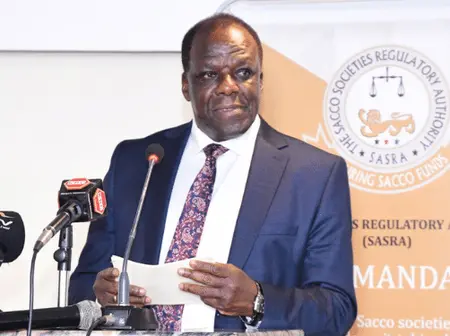
Size proved to be no guarantee of supremacy in Kenya’s cooperative sector as the Sacco Societies Regulatory Authority (SASRA) released its latest statutory Sacco Supervision Annual Report. Prepared pursuant to Section 22 of the Sacco Societies Act, the report evaluates deposit-taking SACCOs across five rigorous financial stability metrics, revealing a striking shift in industry resilience.
While household names such as Mwalimu National, Stima, and Kenya National Police continue to dominate the market in total asset volume, smaller institutions—notably Winas SACCO and Newfortis SACCO—quietly outpaced several sector heavyweights in core capital adequacy and non-performing loan containment.
For millions of Kenyan savers, these findings carry a reassuring message: prudent governance and disciplined lending matter far more than sheer balance-sheet muscle. Across the regulated subsector, overall asset quality showed welcome improvement, with industry-wide non-performing loans dropping to 6.36 percent from 8.56 percent the previous year. Similarly, deposit-taking SACCOs bolstered their core capital buffers to 19.53 percent of total assets, comfortably exceeding the statutory minimum threshold of 10 percent.
By maintaining tighter credit underwriting standards and robust capital reserves, agile mid-tier and smaller cooperatives demonstrated superior insulation against economic shocks and loan defaults.
As Kenya’s regulated SACCO sector crosses the KSh 1.21 trillion asset mark, SASRA’s latest assessment serves as a timely reminder to members and investors alike. True financial security lies not merely in the size of an institution's vault, but in the discipline with which every shilling is safeguarded.
President William Ruto has announced a second intake of the NYOTA Project’s business support programme, targeting 200,000 additional young people who will each receive Sh50,000 to start or expand businesses.
The President said the new beneficiaries would be selected from across the country, extending the government’s youth entrepreneurship initiative to thousands of young people who missed out during the first phase.
Speaking in Busia on Saturday during his ongoing development tour of Western Kenya, Ruto said the government had received applications from many young people who were yet to benefit from the programme.
“Tulipanga mambo ya NYOTA na tukapatia vijana 130,000 kila mmoja shilingi elfu hamsini. Kuna vijana wengi hawakupata hiyo pesa na sasa tunapanga awamu ya pili, vijana 200,000 tutawapatia kila mmoja wao pia shilingi elfu hamsini ili waende waanzishe biashara na wajiendeleze,” he said.
The proposed intake represents a Sh10 billion commitment in start-up grants, with the President saying the support would enable beneficiaries to establish enterprises and improve their livelihoods.
Under the programme, successful applicants are expected to receive business skills training, mentorship and guidance to help them establish and sustain their businesses.
The announcement builds on the National Youth Opportunities Towards Advancement (NYOTA) Project, a five-year government initiative supported by the World Bank that seeks to tackle youth unemployment through entrepreneurship, skills development, workplace experience and savings.
The programme targets vulnerable young people across all 47 counties, with its business support component designed to provide capital and mentorship to those seeking to establish or grow small enterprises.
The first phase attracted about two million applicants, highlighting the demand for business opportunities among young Kenyans. The government initially set out to support 100,000 young entrepreneurs under the component before expanding the programme.
In the initial rollout, beneficiaries received the Sh50,000 grant in two instalments of Sh25,000, alongside business training and mentorship. The support is structured to help young entrepreneurs develop business plans, manage finances, keep records and connect with markets.
The project also has other interventions, including on-the-job experience and recognition of prior learning, aimed at equipping young people with practical skills and improving their access to employment.
The second intake is expected to widen access to enterprise financing, particularly among young people who remain unemployed, underemployed or engaged in low-income activities.
Ruto said the initiative was part of the government's broader effort to empower young people to become economically independent through business ownership rather than relying solely on formal employment.
For millions of Kenyans in remote and historically underserved regions, poor roads have meant farmers struggling to reach markets, traders facing high transport costs and families travelling long distances to access essential services.
The infrastructure divide has contributed to uneven economic development, with areas enjoying established transport networks attracting more investment than poorly connected communities.
Today, the government is seeking to reverse this trend by making infrastructure a foundation for economic inclusion and shared prosperity.
A NEW APPROACH TO CONNECTIVITY
Under the Bottom-Up Economic Transformation Agenda (BETA) and the principle of Usawa ni Sawa (equity), the government is expanding transport infrastructure to connect communities and stimulate economic activity.
In his November 18, 2026, State of the Nation Address, President William Ruto reported that approximately 7,000 kilometres of roads were under construction. The government targets tarmacking 28,000 kilometres and dualling 2,500 kilometres of highways over the next decade.
To finance the expansion, the National Infrastructure Fund (NIF), signed into law and capitalised at Sh340 billion on March 9, 2026, is expected to mobilise long-term investment through public asset divestitures, pension funds and institutional investors.
It forms part of a broader Sh5 trillion, 10-year transformation programme.
Counties have also been allocated Sh428 billion through the equitable share for 2026/27, while the Equalisation Fund continues to support historically marginalised areas.
CONNECTING HISTORICALLY MARGINALISED REGIONS
A major focus is Northern Kenya, where the approximately 750-kilometre Horn of Africa Gateway Development Project along the Isiolo–Wajir–Mandera corridor is expected to transform connectivity.
Passing through Modogashe, Samatar, Wajir, Tarbaj, Kotulo, Kobo, El-Wak, Garre and Rhamu, the project will connect communities that have historically lacked reliable tarmac roads.
Improved access will benefit pastoralists, traders and businesses by easing the movement of livestock, goods and essential supplies. The accompanying fibre-optic infrastructure will also strengthen digital connectivity.
LINKING FARMERS TO MARKETS
Across Central Kenya, investments include the 700-kilometre Mau Mau roads programme, Kenol–Marua dual carriageway and the Nithi Bridge.
For Sagana resident Francisco Kirogo, popularly known as “Sisco”, the Kenol–Sagana–Marua road works have eased longstanding congestion.
“This road project has really helped ease the congestion that used to be experienced between Sagana and Marua,” he said, noting that construction has also created employment for young people.
In Tharaka Nithi, Michael Kathomba says the Kivuwe–Makengi–Runyenjes Road will improve transportation for farmers producing miraa, macadamia, bananas and avocados.
“This road will help many people because they will be able to transport their produce. We have been facing many challenges during the rainy seasons because of the muddy roads, while during the dry season there was a lot of dust,” he said.
In Western Kenya, the Lake Victoria Ring Road and major transport corridors are expected to strengthen agricultural trade and regional commerce.
OPENING UP THE LAKE VICTORIA ECONOMY
In Homa Bay County, the ongoing Mbita–Sindo–Kiabuya–Sori Road project is expected to improve connectivity in Suba South and the wider Lake Victoria region.
Principal Secretary for Interior and National Administration Raymond Omollo says the road will ease the transportation of fish from landing beaches to inland markets, reduce spoilage and support the Blue Economy.
It will also improve access to Ruma National Park and create opportunities for tourism and cross-border trade.
Omollo says the government is working with local authorities and security agencies to ensure the safety of construction workers and road users.
STRENGTHENING NATIONAL TRANSPORT CORRIDORS
Other priority investments include the Rironi–Naivasha–Nakuru–Mau Summit highway, Kamandura–Maai Mahiu–Naivasha road and plans to dual the Nairobi–Mombasa highway.
These projects are expected to reduce congestion, lower transport costs and improve the movement of people and goods.
The road programme is complemented by the proposed Standard Gauge Railway extension from Naivasha through Narok and Bomet to Kisumu, Bungoma and Malaba, modernisation of the ports of Mombasa and Lamu, and the planned Sh154.2 billion upgrade of Jomo Kenyatta International Airport.
INFRASTRUCTURE AS A PATHWAY TO SHARED PROSPERITY
Better roads mean easier access to markets for farmers, lower logistical costs for businesses and improved access to healthcare, education and employment.
With approximately 7,000 kilometres of roads under construction and ambitious targets for the next decade, Kenya has an opportunity to address longstanding regional inequalities.
Ultimately, infrastructure development is aimed at connecting communities to economic opportunities and essential services, ensuring that a person's prospects are not determined by where they are born.
That is the promise of Kenya's road expansion: a more connected, inclusive and prosperous nation.
Faith Ogutu works at the Office of the Government Spokesperson.
Kenyans have been urged to diversify their investments, plan early for retirement and take a more active role in capital markets amid concerns that reliance on a single source of income and limited financial planning could undermine long-term financial security.
Investment and financial sector leaders said individuals should look beyond traditional interest-bearing products and consider equities, insurance, real estate and other asset classes to build and preserve wealth.
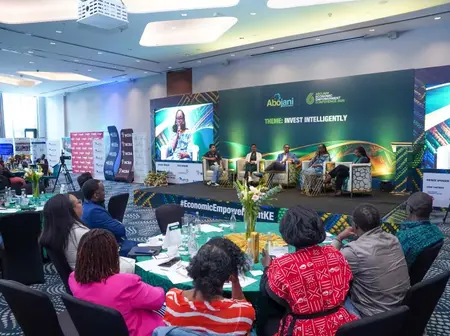
The call was made at the sixth Abojani Economic Empowerment Conference in Nairobi on Friday, where industry executives highlighted gaps in financial literacy, retirement preparedness and succession planning.
Abojani Investment, chief executive Robert Ochieng, said many professionals and entrepreneurs risk undermining their financial security by depending on one income stream.
“Your primary source of wealth can also be your major source of weakness, so diversify your investments. The Abojani investment community has grown from an initial group of 50 people to more than 4,000 members, reflecting increased interest in financial education,” said Ochieng.
Kenyans have been developing a culture of growing their wealth with the latest Knight Frank Wealth & Investment Trends report indicating that 44 per cent of wealth managers experienced growth of between 11 and 20 per cent in their client base.
Absa Asset Management chief executive Elizabeth Irungu, said that investors to move beyond fixed-income investments and increase their exposure to equities, which she said offer opportunities for long-term capital growth.
“Please don't follow interest rates only. The returns are not only interest rates. If you're going to make a market and make it big, honestly, we've got to be in equities,” said Irungu.
She encouraged investors to consider ownership in established companies through local and international equity markets rather than concentrating their portfolios on interest-generating products.
NCBA group director for global markets Raphael Agung’ said investors needed a deeper understanding of financial markets to identify opportunities and manage risks in an increasingly complex investment environment.
He urged individuals to continuously build their investment knowledge and develop the curiosity needed to assess different asset classes.
APA Apollo Group, chief executive Risper Ohaga said investors should avoid making decisions based on market excitement and instead maintain disciplined, long-term investment strategies.
“Intelligent investing is about having the discipline to stay the course, not to move up and down because people are doing it. It's about just knowing what I'm doing, remaining focused even as I'm getting information, and being able to think independently,” said Ohaga.
She said wealth creation should be accompanied by measures to protect assets against unexpected financial shocks, including through insurance and diversification.
“Create wealth, but also protect the wealth. Stuff happens and when stuff happens, you need to be able to have what you can fall back to,” she said.
Retirement preparedness also emerged as a concern, with SanlamAllianz Kenya chief executive Jacqueline Karasha warning that delaying retirement investments could leave households financially exposed in old age.
“Retirement is vital as old age is inevitable. In this time and age, you are doing yourself a disservice by not investing for your rainy day,” said Karasha.
The discussions also highlighted succession planning as an important part of wealth preservation, particularly for families with property, businesses and other investments.
NCBA Investment Bank, managing director Muathi Kilonzo, said investors should consider how their assets are structured and transferred to beneficiaries to avoid unnecessary tax and administrative costs.
He noted that although Kenya does not impose inheritance tax, the manner in which assets are held could expose beneficiaries to other tax obligations.
“When we talk about wealth, all of us need to think about succession planning. There may not be an inheritance tax, but how your assets are held may mean that your beneficiaries actually get a tax when they shouldn't,” said Kilonzo.
The push for greater financial literacy comes as Kenya seeks to deepen participation in its capital markets, with the Nairobi Securities Exchange seeking to attract more individual investors.
NSE business development leader for retail for SACCOs and chamas Jackson Kiminje said sustained growth in the market would depend on greater retail participation and investors adopting consistent investment strategies.
The conference also examined investment opportunities and risks in real estate, entrepreneurship and technology, as well as the outlook for local and international markets in 2027.
Speakers cautioned investors against making financial decisions based on unverified information circulating on digital platforms, urging them to assess risks and distinguish credible investment opportunities from market speculation.
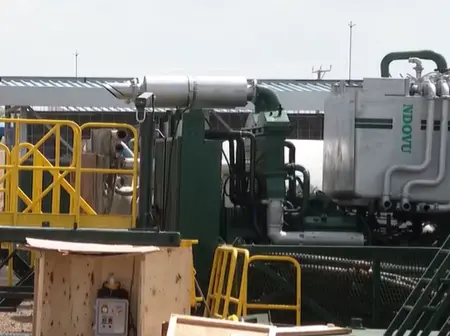
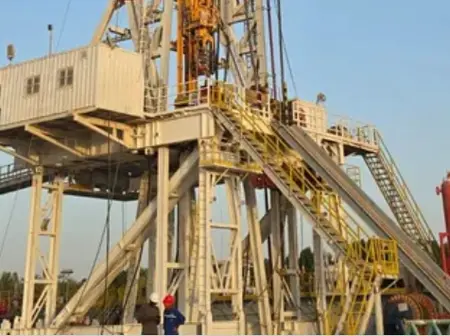
The drilling exercise started on Friday, November 20, 2026, at the Amosing 1 well pad in the South Lokichar Basin. The operation is being undertaken by Gulf Energy E&P BV SEZ using an onshore drilling rig leased from China's Great Wall Drilling Company.
Energy Cabinet Secretary Opiyo Wandayi presided over the spudding ceremony, which marks the beginning of drilling at a well. The government is targeting December 1, 2026, for the commencement of initial oil production.
The first phase is expected to produce approximately 20,000 barrels of crude oil daily from four fields collectively known as NEAT: Ngamia, Amosing, Twiga and Ekales.
The government projects that the project could generate more than USD2.9 billion, equivalent to approximately Ksh371 billion, over its 25-year contract period. However, the actual revenue will depend on oil prices in the international market, production levels and the project's performance.
Wandayi described the commencement of drilling as a major milestone in the country's efforts to move the Turkana oil discoveries towards production.
The development is part of a broader plan covering oil discoveries in Blocks T6 and T7 in the South Lokichar Basin, with the government supporting efforts to accelerate field development and begin commercial operations.
Gulf Energy Managing Director Paul Limoh said the company remained on schedule to begin producing oil on December 1. Once production starts, the initial crude volumes will be transported by road from Turkana to Mombasa.
The oil is expected to be stored at the Kenya Petroleum Refineries Limited (KPRL) tank farms as the country prepares to handle its first production volumes. The company plans to increase output to 50,000 barrels per day during the second phase of development.
Limoh said the company was maintaining its project schedule while working with stakeholders to ensure the development proceeds according to the approved plan.
The South Lokichar Basin contains six oil discoveries with estimated recoverable reserves of 326 million barrels, according to the government's development plan. The project is expected to operate over a period of 25 years, making it a significant long-term undertaking for Kenya's petroleum sector.
The start of drilling brings Kenya closer to its planned first oil production, with the December 1 target now serving as the next major milestone in the country's efforts to develop its petroleum resources.
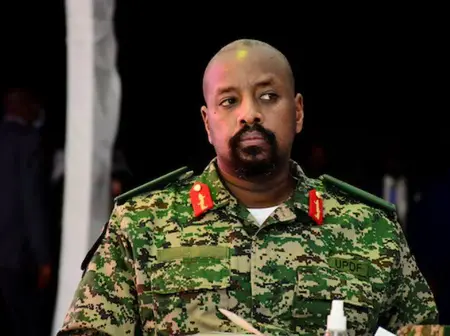
Listen to articleGeneral Muhoozi Kainerugaba did not explain the reasons for the latest announcement or identify a potential replacement contractor.Uganda’s Chief of Defence Forces, General Muhoozi Kainerugaba, has announced the indefinite cancellation of a multi-billion-shilling contract awarded to Turkish construction firm Yapi Merkezi to build the country’s Standard Gauge Railway (SGR).