Estate agency and registered valuer FAPCL Group has listed three income-generating Nairobi shopping malls for sale at the same time, in a print-only classified advertisement that has raised questions in the property market.
The largest mall stands on 5 acres and earns KSh 1.32 billion a year, about KSh 110 million a month, yet it is only 70% let. That gap could point to the recent exit of a major retailer or to rents that have put off smaller tenants.
At standard Nairobi commercial yields of 8% to 10%, that rent roll would value the property at between KSh 13.2 billion and KSh 16.5 billion. The final price would still depend on net operating income, lease quality, vacancy and due diligence.
The second mall occupies 1 acre, with room to expand onto another 2.5 acres, and collects KSh 180 million annually at 85% occupancy.
The adjacent land could host residential units, Grade-A offices or a hotel. The third records the highest occupancy at 90% and earns KSh 100 million a year, with its land size seen as the main attraction.
Land values add weight to the offer. The Hass Consult Land Price Index puts an acre in Nairobi's established prime suburbs at an average KSh 231.9 million, with Upper Hill at KSh 568 million, Westlands at KSh 508 million and Parklands at KSh 471 million.
The sale comes as retail yields in the Nairobi Metropolitan Area rose to 8.9% in the first half of 2026, according to Cytonn, while average lending rates eased to 14.4% by September 2026.
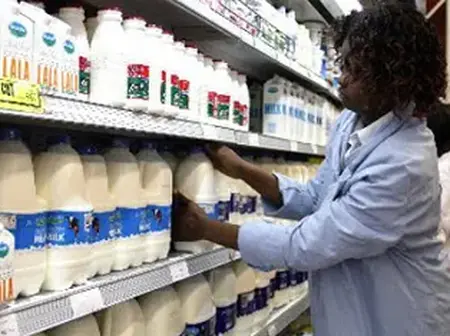
Kenyan dairy farmers could soon earn payments based on the quality of milk they deliver under a new government plan, to install milk analysers at 250 sites across the country.
The State Department for Livestock Development announced the procurement in a tender notice issued on Tuesday, November 24, through the Livestock Value Chain Support Project.
The initiative is aimed at helping dairy producer organisations introduce a quality-based payment system, where farmers are compensated according to the standards of milk supplied rather than relying on a uniform payment rate.
Under the proposed arrangement, the analysers will test milk delivered by farmers and provide results that will guide the amount each producer receives.
The equipment is expected to help dairy organisations assess the quality of milk more accurately and establish a payment system that reflects the value of farmers' produce.
In the tender notice, the government invited eligible companies to submit bids for the supply and delivery of the milk testing equipment.
“The Government of the Republic of Kenya, through the Ministry of Agriculture and Livestock Development, through the Livestock Value Chain Support Project, intends to procure Milk Analysers to support various dairy producer organisations in pursuit of a quality payment system,” the notice stated.
Interested suppliers have been directed to submit their applications through the electronic government procurement system.
The deadline for submitting bids is December 9 at 11am, after which the procurement process is expected to proceed in line with government tender requirements.
The planned installation of the analysers comes amid efforts to improve the dairy value chain and address concerns about how farmers are paid for their milk.
For many dairy producers, the amount earned from milk sales is an important source of household income. A system that links payments to quality could encourage better milk handling and production practices.
The government hopes the equipment will give dairy producer organisations a more reliable way of assessing milk quality, while supporting a payment model that recognises differences in the produce delivered by individual farmers.
The changes affect both prepaid and postpaid electricity consumers, meaning households purchasing tokens may receive fewer units for the same amount of money compared with periods when the applicable charges are lower.
With electricity costs rising, consumers can adopt several habits to reduce unnecessary power consumption and make their tokens last longer.
One of the recommended measures is switching off lights and appliances whenever they are not in use. Leaving televisions, radios and lights running unnecessarily contributes to electricity consumption.
Consumers are also advised to unplug chargers, laptop adapters and other electronics when not in use, as some devices continue drawing small amounts of electricity while connected to power.
Households can further reduce consumption by limiting the use of energy-intensive appliances such as electric irons, kettles, cookers and water heaters. Ironing several clothes in one session instead of repeatedly switching on the iron can help minimise energy use.
Using energy-saving bulbs and switching off lights in unoccupied rooms can also help households manage electricity consumption.
The November adjustment follows previous monthly increases, with electricity charges reportedly rising by approximately KSh4.10 per unit in October.
The latest changes reflect adjustments linked to fuel costs, foreign exchange movements and hydropower-related charges, factors that influence Kenya’s monthly electricity pricing.https://web.facebook.com/share/p/16PknwY48Vj/
I&M Group’s net profit increased by 24 per cent to Sh15.8 billion in the nine months to September 2026, supported by higher interest income and stronger contributions from its regional subsidiaries.The lender’s total operating income rose by 20 per cent to Sh51.7 billion, driven by a 21 per cent increase in net interest income across its Personal and Business Banking and Corporate and Institutional Banking divisions.
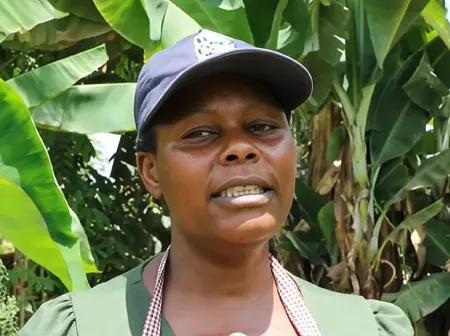
Miriam Kamau, a 42 year old Nairobi woman, has turned to farming as an alternative source of income after struggling to secure formal employment for several years.
Her experience reflects the challenges faced by many Kenyans who spend years looking for jobs without success. Instead of abandoning her search for a way to earn a living, Miriam explored an opportunity in urban agriculture.
She established her farming activities on an unused section of land along Kangundo Road, where she now grows vegetables, fruit trees and ornamental plants for sale.
The farm has several products that attract different customers. Vegetables such as spinach, sukuma wiki, managu and terere are among the crops grown there. She has also planted fruit trees, including mangoes, oranges, avocados, lemons, papayas and passion fruits.
Another part of the venture involves raising seedlings for customers interested in starting their own gardens or growing vegetables.
Miriam has not been working alone. Her family has also become involved, with her children assisting with farm activities during their school holidays.
Her mother, Peris Gathogo, aged 73, is another important part of the project. The retired teacher joined her daughter in the venture and continues to participate in the daily activities despite having left formal employment in 2008.
Peris says the business provides opportunities to make sales on different days because customers visit looking for flowers, trees and seedlings.
The farming activities have also created room for other people working on nearby sections of the land. Among them is 74 year old Samuel Mailova, who grows crops for customers.
The family has, however, encountered difficulties. The biggest concern is the location of the farm, which lies within a road reserve. Future expansion of Kangundo Road could therefore affect their activities.
They have also experienced losses through theft, with some people taking seedlings without paying, including during nighttime.
Despite these setbacks, Miriam's decision to venture into agriculture has given her an alternative to the formal employment she had struggled to find.
The new framework sets out requirements for farmers, dealers, aggregators, processors, importers and exporters involved in the production and trade of fibre crops.
In a notice issued on Tuesday, November 24, AFA directed businesses operating in the sector to familiarise themselves with the new rules and take the necessary steps to comply within the prescribed timelines.
The authority announced that the Crops (Fibre Crops) Regulations, 2026, which were published on September 18, 2026, would soon take effect.
According to AFA, the regulations establish a legal framework for managing the fibre crops industry, covering registration, licensing, production standards, processing, quality assurance, marketing and enforcement.
One of the key changes will affect farmers' associations, which will be required to maintain records of farmers engaged in fibre crop production.
The records will include details of the farmers and their production levels, giving authorities a clearer picture of activities across the sector.
Businesses involved in collecting, aggregating, storing and processing fibre crops will also face new registration and licensing requirements.
This means operators handling cotton, sisal and other fibre produce before it reaches manufacturers will be expected to meet the regulatory conditions governing their activities.
AFA will also oversee aggregation stores and fibre manufacturing facilities through compliance inspections.
The inspections will establish whether business premises meet the required standards before operators are allowed to conduct regulated activities.
The regulations further introduce requirements for establishing fibre crop processing factories. Facilities involved in converting raw fibre produce into finished products will fall under the authority's oversight.
Quality control is another major area addressed by the new framework.
Farmers and dealers will be expected to observe prescribed standards covering production, handling, grading and quality assurance to ensure that fibre produce meets the required specifications.
The rules also introduce requirements for packaging and labelling fibre products.
These measures are intended to improve product identification and make it easier to establish the origin and movement of produce throughout the supply chain.
Dealers and processors will additionally be required to comply with traceability standards, allowing authorities to track fibre produce from its source through aggregation, storage, processing and distribution.
The regulations also address how prices for fibre produce and finished products will be determined.
A pricing formula has been provided to guide transactions between farmers and dealers, introducing a framework for determining the value of produce traded within the industry.
Operators who fail to comply with the new requirements risk regulatory action.
Possible consequences include the revocation or surrender of certificates, licences and permits, alongside other penalties provided for under the regulations.
AFA has therefore urged all dealers, aggregators, processors, exporters and importers to familiarise themselves with the requirements and prepare for implementation.
In its Tuesday notice, the authority reiterated that all affected industry players must take the necessary steps to comply within the prescribed timelines.
Pastor Victor Kanyari has raised concerns about the challenges affecting young people, highlighting unemployment, drug abuse and limited opportunities as some of the issues that need urgent attention.
According to his remarks, unemployment remains one of the major problems facing young people. Many graduates and other job seekers spend considerable time searching for employment opportunities without success. This situation has left some struggling to support themselves and their families.
He also pointed to drug and substance abuse as another concern affecting the youth. Substance abuse can interfere with education, employment prospects, family relationships and the general well-being of those affected.
Kanyari's comments come at a time when conversations about the welfare of young people continue to attract attention across the country. Many Kenyans have expressed concerns about the difficulties facing young people as they attempt to secure employment, start businesses and become financially independent.
The preacher believes that addressing these challenges requires more than general promises. He called for development programmes that directly respond to the needs of young people and provide practical solutions.
Such initiatives could include vocational training, business support, mentorship programmes and opportunities that equip young people with skills needed in the job market.
Providing accessible rehabilitation and counselling services could also help individuals struggling with drug and substance abuse to receive the support they need.
Kanyari's remarks have added to the ongoing discussion about the role of leaders, institutions and communities in improving the lives of young people.
For many young Kenyans, access to meaningful opportunities remains an important step towards achieving financial independence and improving their living conditions. The discussion has once again highlighted the need for practical measures that can help young people overcome the challenges they face and contribute positively to society.
Under the proposed arrangement, farmers could earn different prices depending on the quality of milk they deliver, rather than relying mainly on the quantity supplied.
The Ministry of Agriculture and Livestock Development, through the State Department for Livestock Development, has invited companies to tender for the supply and delivery of milk analysers under the Livestock Value Chain Support Project.
According to the tender notice, the equipment will be installed at 250 sites to help dairy producer organisations assess milk quality and implement a quality-based payment system.
The initiative is expected to encourage farmers to pay greater attention to milk handling, hygiene and production standards because the quality of their produce will influence their earnings.
Currently, many dairy farmers are paid largely according to the volume of milk they deliver. The proposed system seeks to introduce another consideration by assessing the quality of each farmer's supply.
Milk quality can be determined through several indicators, including butterfat and protein content, bacterial contamination, hygiene levels and the presence of substances used to adulterate milk.
However, the latest tender notice does not provide a detailed list of the tests the analysers will perform or the specific quality grades that will determine the prices farmers receive.
Kenya has previously experimented with quality-based milk payments.
In 2023, a study published in the NJAS: Impact in Agricultural and Life Sciences examined a pilot programme involving a dairy processor in Nakuru County.
Under the arrangement, farmers supplying higher-quality milk received additional payments, with assessments considering bacterial contamination, antibiotic residues, added water, total solids, fat and protein content.
The proposed national expansion also builds on existing dairy regulations that recognise the importance of milk quality in determining prices and protecting consumers.
The Dairy Industry (Pricing of Dairy Produce) Regulations, 2020 provide for milk quality to be considered when setting prices, alongside production costs, seasonal variations and other factors affecting the dairy industry.
Separately, the Dairy Industry (Dairy Produce Safety) Regulations, 2020 require dairy business operators to examine, test and grade milk before accepting it.
The government's latest move comes amid longstanding concerns about milk safety, contamination and poor handling practices in parts of the country's dairy supply chain.
A 2021 study examining milk quality across different stages of Kenya's dairy value chain found contamination in samples collected from farms, collection centres and retail outlets.
Researchers also identified samples containing added water, while others showed evidence of bacterial contamination.
These findings highlighted the importance of improving milk testing and quality controls from the farm level to the point of sale.
By equipping 250 sites with milk analysers, the government hopes to strengthen the ability of dairy producer organisations to assess milk consistently and introduce payments that reflect the quality of farmers' produce.
For farmers, the proposed arrangement could create an additional financial incentive to maintain clean milking equipment, improve storage conditions and observe proper milk-handling procedures.
The procurement is being conducted under tender reference number SDFD/736/0091/2026-2027.
Interested companies are required to submit a bid security of KSh1 million, with the procurement process being conducted through open national competitive bidding.
The government has directed interested firms to submit their applications electronically through the official electronic government procurement platform.
The deadline for submitting bids is December 9, 2026, at 11 am.
Companies wishing to participate are required to register through egpkenya.go.ke to access the tender documents and submit their applications.
The procurement marks another step towards improving milk quality assessment and introducing a payment structure that recognises both the quantity and quality of milk supplied by Kenyan dairy farmers.
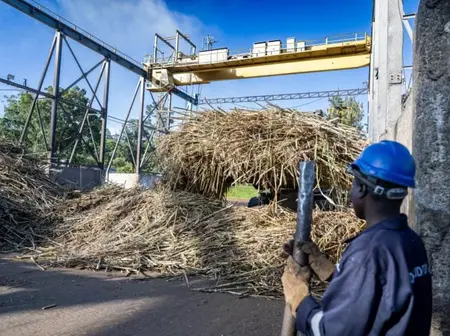
Twenty shortlisted candidates are competing for the five slots—one representative for each of the country’s five designated sugarcane catchment areas spanning Western, Nyanza, Rift Valley, and Coast regions.
The exercise is anchored in Section 6 of the Sugar Act, No. 11 of 2024, which revived the Kenya Sugar Board as the sector’s primary regulatory and development authority and granted growers the direct mandate to elect their own board representatives rather than relying solely on executive appointments.
Officials from the Kenya Sugar Board Grower Directors Election Committee, supported by local administrative and security teams, are overseeing voting at designated polling and factory centres using the verified register published by the Ministry of Agriculture and Livestock Development.
For growers, the poll carries high economic stakes at a time when the sub-sector is undergoing major reforms, including the rollout of sugarcane farmer bonuses and tighter catchment zoning rules.
Farmers say the incoming directors will be expected to push for timely cane payments, lower farm input and transport costs, decentralized weighbridges, and streamlined harvesting and delivery permits to curb middlemen exploitation.
What are your thoughts about this article? Share your reactions in the comment section and don't forget to share and follow for more updates.
"My vision is simple: unlock opportunity, support enterprise and make Kenya work for those willing to work," Wanjigi said in a statement.
The remarks reflect an economic agenda that the Safina Party leader has been advancing as he positions himself ahead of the 2027 General Election.
In an interview published by the Daily Nation on October 18, 2026, Wanjigi outlined proposals aimed at changing how the government manages public debt, taxation and access to credit.
Among his proposals is reducing the tax burden on individuals and businesses. He has also called for a smaller government, arguing that excessive state involvement and domestic borrowing can limit the private sector's ability to grow.
Wanjigi has proposed replacing the current 16 per cent Value Added Tax with a five per cent sales tax, a plan he says would leave more money in the hands of consumers and stimulate business activity.
He has also advocated for cheaper credit, arguing that small businesses and entrepreneurs need affordable financing to expand their operations and create employment.
His wider economic proposals form part of what he describes as an effort to prioritise economic freedom over political promises that do not translate into better living conditions.
The Safina Party leader has also questioned the government's borrowing approach, proposing a comprehensive audit of public debt to establish whether loans were obtained and used in accordance with the law.
However, his proposals also raise questions about how the government would finance essential public services if tax collections were reduced and borrowing restricted. Such changes would require detailed fiscal planning and consideration of the country's financial obligations.
For ordinary Kenyans, the discussion touches on familiar concerns, including the cost of running businesses, access to financing and the availability of meaningful employment.
Wanjigi's message places enterprise at the centre of his economic vision, with the argument that citizens should have an opportunity to turn their skills and ideas into sustainable sources of income.
As political discussions ahead of 2027 continue, his economic proposals are likely to remain part of the wider debate about Kenya's future.
But beyond political statements, what specific economic changes should Kenyans demand from leaders seeking to transform their livelihoods?