Category: Economy&Finance

  • Ruto Announces Historic First as Sugarcane Farmers Receive Bonuses for the First Time

    Ruto Announces Historic First as Sugarcane Farmers Receive Bonuses for the First Time

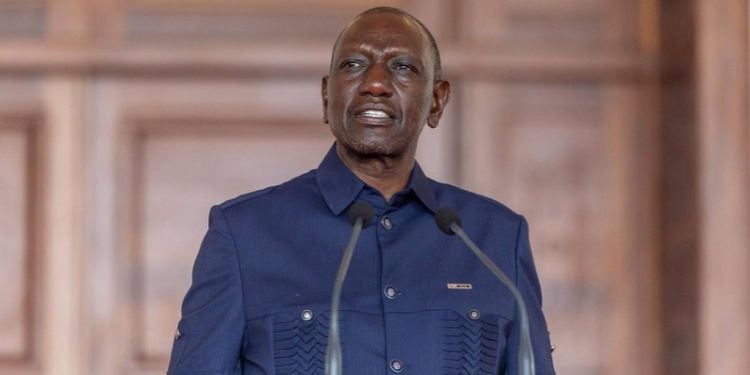
    President William Ruto has announced what he described as a historic milestone for Kenya's sugarcane farmers, revealing that growers received bonus payments for the first time on Tuesday.

    Speaking about the development, Ruto said the payments marked a significant moment for farmers who have depended on sugarcane farming for their livelihoods but have faced numerous challenges in the industry.

    "Yesterday, for the first time, sugarcane farmers received their bonuses," the President stated.

    The announcement highlights the government's efforts to improve the welfare of agricultural producers and ensure farmers receive better returns from their hard work.

    Sugarcane farming remains an important economic activity, particularly in Western Kenya and parts of Nyanza, where thousands of households depend on the crop for income.

    For years, farmers in these regions have raised concerns about delayed payments, low earnings, rising production costs and challenges affecting sugar factories.

    The bonus payments could therefore offer additional financial relief to growers, many of whom rely on proceeds from sugarcane harvesting to support their families, educate their children and invest in other economic activities.

    Ruto's remarks also come amid broader government efforts to reform the agricultural sector through interventions aimed at improving productivity, supporting farmers and strengthening local industries.

    The sugar industry has experienced several difficulties, including financial problems affecting some millers, competition from imported sugar and concerns over the management of sugar factories.

    Farmers have repeatedly called for reforms that would guarantee timely payments, transparent weighing of their produce and fair compensation for their cane.

    The President's announcement is likely to attract attention among sugarcane-growing communities, particularly those who have long demanded better financial benefits from the industry.

    However, questions remain about the total amount distributed, the number of farmers who benefited and the criteria used to determine individual bonus payments.

    Details about the programme and whether the payments will become a regular arrangement will be important in determining its long-term impact.

    For now, Ruto has presented the payments as a historic development for sugarcane farmers, with the government expected to face pressure to ensure that the benefits are sustained.

    Sources;

    https://www.facebook.com/share/p/1Dzh1ZNRJi/

  • “Farmers to Earn More From Milk” Government Introduces New Payment System Across Kenya

    “Farmers to Earn More From Milk” Government Introduces New Payment System Across Kenya

    The announcement comes after President William Ruto promised farmers Ksh65 per litre and an additional quarterly bonus of Ksh2 per litre in October. Meanwhile, KNBS reported that milk deliveries to processors declined to 74.8 million litres in September 2026, down from 79.1 million litres in August, as some farmers increasingly opted for direct sales to consumers.

    Source courtesy of https://www.facebook.com/100064288795404/posts/1591954956290782/?app=fbl

  • Uasin Gishu’s coffee gamble: County targets South Korea in ambitious farming shift

    Uasin Gishu’s coffee gamble: County targets South Korea in ambitious farming shift

    thumbnail

    Uasin Gishu is seeking to break away from its traditional dependence on maize and wheat farming by positioning coffee as a new high-value cash crop, with South Korea emerging as a potential export market.The county government is courting investors from Seoul, South Korea, in a proposed partnership that Governor Jonathan Bii Chelilim says could open international markets for local farmers and transform the region's agricultural economy.

  • Mbadi Signals PAYE Tax Review as Treasury Prepares Major Reforms Ahead of 2027 Finance Bill

    Mbadi Signals PAYE Tax Review as Treasury Prepares Major Reforms Ahead of 2027 Finance Bill

    The proposed review could have implications for millions of salaried Kenyans, although the Treasury has yet to disclose whether it intends to adjust existing tax bands, rates or other provisions governing employment income.

    Mbadi revealed that the National Treasury was already preparing the Finance Bill, 2027, alongside the Second Medium-Term Revenue Strategy (MTRS), which will guide the government's revenue collection plans from the 2027/2028 financial year.

    The announcement signals the government's intention to reassess how it collects taxes while addressing concerns about the cost of living, household incomes and the operating environment for businesses.

    Speaking in Nairobi on Tuesday, November 24, during the official opening of the GOK–AERC–UCPH–DERG Stakeholder Workshop, Mbadi said Kenya needed a tax system capable of financing national development without placing an excessive burden on taxpayers.

    The workshop was organised by the National Treasury in partnership with the African Economic Research Consortium (AERC), with discussions expected to generate research and recommendations to inform the country's future tax policies.

    Mbadi explained that the government faced the challenge of increasing revenue while protecting households, encouraging investment and creating room for businesses to expand.

    He questioned how the government could raise sufficient funds for public services and development projects without making life more difficult for ordinary Kenyans or discouraging economic activity.

    According to the CS, the answer lies in establishing a tax framework that is fair, efficient and predictable while taking into account the financial realities facing individuals and enterprises.

    He further indicated that the government intended to broaden the tax base, strengthen compliance and distribute the tax burden more fairly instead of depending excessively on taxpayers already within the system.

    The proposed PAYE review is particularly important because the tax is deducted directly from the employment income of salaried workers.

    Any changes to the framework could therefore influence the amount employees take home after statutory deductions.

    However, Mbadi did not provide specific details about the proposed review or announce any new PAYE rates, tax bands or implementation dates.

    This means the announcement should not be interpreted as confirmation that salaried Kenyans will immediately receive higher take-home pay or face increased deductions.

    The Treasury is expected to rely on evidence and recommendations from the stakeholder engagement to shape the proposed reforms.

    Mbadi said the findings would help guide the preparation of the 2027 Finance Bill, the PAYE review and the Second Medium-Term Revenue Strategy.

    He also acknowledged that increasing government revenue would not, on its own, address public concerns unless the money collected was properly managed and translated into meaningful improvements in citizens' lives.

    The CS maintained that the government had a responsibility to ensure public funds were spent prudently and transparently.

    He emphasised that Kenyans should be able to see the benefits of their tax contributions through better public services and development projects.

    Mbadi insisted that every shilling collected from taxpayers must deliver value, adding that responsible revenue mobilisation should go hand in hand with protecting household purchasing power and supporting businesses.

    For now, salaried workers will have to wait for further details from the Treasury to establish whether the planned PAYE review will translate into changes to their monthly deductions.

    Source

  • CS Mbadi signals PAYE review, new tax reforms ahead of 2027 Finance Bill

    CS Mbadi signals PAYE review, new tax reforms ahead of 2027 Finance Bill

    Treasury Cabinet Secretary John Mbadi has signalled fresh tax reforms ahead of the 2027 Finance Bill, including a review of the Pay As You Earn (PAYE) framework as the government seeks to increase revenue without placing excessive pressure on households and businesses.

    Mbadi said the National Treasury was preparing the Finance Bill, 2027, alongside the Second Medium-Term Revenue Strategy (MTRS), which will guide the government's revenue mobilisation efforts from the 2027/28 financial year.

    The proposed changes are expected to draw on research and recommendations from a stakeholder workshop organised by the National Treasury in partnership with the African Economic Research Consortium (AERC).

    Speaking during the official opening of the GOK–AERC–UCPH–DERG Stakeholder Workshop on Tuesday in Nairobi, Mbadi said Kenya needed a tax system that could generate sufficient resources to finance public services and national development while supporting economic growth.

    He said the government must strike a balance between raising revenue, protecting household purchasing power and creating an environment in which businesses can expand and investors can operate with confidence.

    "How do we raise the revenue needed to finance public services and national development without placing too much pressure on households, discouraging investment or making it harder for businesses to grow?" Mbadi posed.

    "For me, the answer lies in building a tax system that is fair, efficient and predictable, and one that takes into account the realities facing households, businesses and the wider economy," he added.

    The CS said the government intended to broaden the tax base, improve compliance and ensure the tax burden was distributed fairly rather than relying excessively on existing taxpayers.

    The review of PAYE is particularly significant for salaried Kenyans, as any adjustments to the framework could affect how employment income is taxed.

    Mbadi did not, however, outline specific proposed changes to the PAYE system or indicate whether the review would result in changes to existing tax bands and rates.

    The preparations for the 2027 Finance Bill come amid continuing public debate over taxation, the cost of living and the government's revenue collection targets.

    Mbadi said evidence-based research would be critical in shaping the next phase of tax policy, ensuring that decisions were informed by the economic realities facing individuals and enterprises.

    He noted that the recommendations emerging from the workshop would help inform the Finance Bill, the PAYE review and the Second Medium-Term Revenue Strategy.

    Beyond revenue collection, Mbadi said the government also had a responsibility to ensure that public resources were properly managed and translated into tangible benefits for citizens.

    He argued that increasing government revenue alone would not address public concerns unless the money collected was spent prudently and transparently.

    "Our responsibility is to mobilise revenue responsibly while protecting household purchasing power, supporting businesses and creating the resources needed to finance Kenya's development priorities," he said.

    He added that every shilling collected must deliver value for money, insisting that Kenyans should see the impact of their tax contributions through improved public services and development projects.

    "At the end of the day, Kenyans want to see the difference their contributions make in their daily lives. Every shilling collected must count," Mbadi said.

  • AFA Introduces Tough New Rules for Cotton and Sisal Farmers, Dealers and Processors

    AFA Introduces Tough New Rules for Cotton and Sisal Farmers, Dealers and Processors

    (Photo courtesy)

    The Agriculture and Food Authority (AFA) has announced new regulations governing the production, processing and marketing of fibre crops, including cotton and sisal, directing farmers and businesses in the sector to prepare for compliance.

    In a notice issued on Tuesday, November 24, 2026, the authority urged farmers, dealers, aggregators, processors, importers and exporters to familiarise themselves with the new requirements ahead of their implementation.

    The Crops (Fibre Crops) Regulations, 2026, were published on September 18, 2026, providing a legal framework for the development and regulation of Kenya's fibre crops subsector.

    Under the regulations, farmers and businesses involved in collecting, aggregating, storing and processing fibre crops will be required to register and obtain the necessary licences before conducting their operations.

    Farmers' associations will also be required to maintain records of farmers engaged in fibre crop production, including details of their production levels.

    The regulations further require businesses operating aggregation stores and fibre manufacturing facilities to undergo compliance inspections to establish whether their premises meet the required standards before commencing operations.

    AFA will also oversee the establishment and operation of processing factories involved in converting raw fibre produce into finished products.

    On quality control, farmers and dealers will be required to observe prescribed production, handling, grading and quality assurance standards to ensure that fibre crops meet the required specifications.

    The new rules also introduce packaging and labelling requirements aimed at improving product identification and traceability across the supply chain.

    Dealers and processors will be required to maintain traceability records showing the origin of fibre produce and how it moves through processing and distribution stages.

    Additionally, the regulations introduce a pricing formula to guide transactions involving fibre produce and products between farmers and dealers.

    Businesses that fail to comply with the requirements risk regulatory action, including penalties and the revocation or surrender of certificates, licences and permits.

    AFA has urged all affected stakeholders to familiarise themselves with the regulations and take the necessary steps to meet the requirements within the prescribed timelines.

    The new framework is expected to provide greater oversight of Kenya's fibre crops industry, covering production, processing, quality assurance and marketing.

    https://www.kenyans.co.ke/news/129628-afa-unveils-new-registration-licensing-rules-farmers-growing-fibre-crops

  • Neymar Acquires KSh 7.1 Billion Dubai Penthouse With Private Car Elevator and Swimming Pool

    Neymar Acquires KSh 7.1 Billion Dubai Penthouse With Private Car Elevator and Swimming Pool

    Located in Business Bay, Dubai, the property comes with several high-end features designed to provide privacy and convenience to its wealthy residents.

    One of its most distinctive features is a private car elevator that allows homeowners to transport their vehicles directly into their penthouses, eliminating the need to leave their cars in conventional parking facilities.

    According to Binghatti's official announcement, Neymar's residence also includes a private swimming pool and panoramic views of Downtown Dubai.

    The wider development features a French Riviera-inspired private beach, a luxury spa, a fitness club, a chef's table and exclusive residents' facilities.

    Other services planned for residents include private valet parking, chauffeur services and personalised concierge assistance.

    The development comprises 182 individually designed residences, including 171 Riviera Mansions and 11 Sky Mansion penthouses, according to Bugatti's official project information.

    The project was marketed as the world's first Bugatti-branded residential development, combining the automobile manufacturer's luxury identity with Binghatti's property development expertise.

    According to Architectural Digest, the project was expected to be completed in 2027 when Neymar's acquisition was announced.

    Binghatti's announcement confirmed the purchase, although the developer did not publicly disclose the full interior specifications of Neymar's individual residence.

    The acquisition adds another high-value property to the Brazilian footballer's real estate portfolio, highlighting the growing interest in Dubai's luxury property market among international celebrities and wealthy investors.

    Sources: The National⁠ | Binghatti Properties⁠ | Gulf News⁠ | Bugatti official project information⁠.

  • Ruto Raises Hustler Fund Limit for 4.5 Million Kenyans

    Ruto Raises Hustler Fund Limit for 4.5 Million Kenyans

    thumbnail

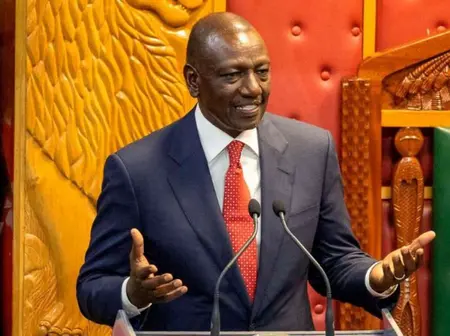
    President William Ruto has announced changes to the Hustler Fund that will move approximately 4.5 million Kenyans into a new loan category with borrowing limits of up to KSh150,000.The changes are expected to benefit borrowers using the Personal Loan facility who have been seeking higher credit limits.Speaking during the Joyful Women Organisation’s 17th anniversary celebration at State House, Nairobi, on November 24, Ruto announced an additional KSh5 billion allocation to the government-backed lending programme, saying the funding would expand access to credit for people using the platform.

  • AFA Introduces New Rules: Farmers Dealing in Cotton and Sisal Face Fresh Licensing Rules

    AFA Introduces New Rules: Farmers Dealing in Cotton and Sisal Face Fresh Licensing Rules

    The regulations affect dealers, aggregators, processors, importers and exporters, who have been directed to familiarise themselves with the new requirements and ensure compliance within the prescribed timelines. In a notice issued on Tuesday, November 24, AFA announced that the Crops (Fibre Crops) Regulations, 2026, published on September 18, would soon take effect.

    The regulations further introduce a pricing formula to guide transactions between farmers and dealers while requiring businesses to maintain records showing the origin and movement of fibre products along the supply chain. Those who fail to comply risk regulatory sanctions, including penalties and the revocation or surrender of licences, certificates and permits. AFA has urged all affected players to take the necessary steps to meet the new requirements before the implementation deadlines.

    Source courtesy of https://www.facebook.com/100064288795404/posts/1591975442955400/?app=fbl

  • Why Many Kenyans Are Quitting Chamas and Moving Their Money to MMFs and Saccos

    Why Many Kenyans Are Quitting Chamas and Moving Their Money to MMFs and Saccos

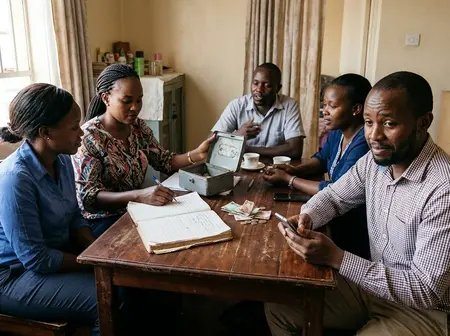
    For decades, joining a chama was the most trusted way for Kenyans to pool money, support one another, and build savings discipline. From office merry-go-rounds in Upper Hill to neighbourhood savings groups in Ruiru, Thika, and Kisumu, chamas helped millions put aside cash they might otherwise have spent. Yet across the country, a growing number of savers are quietly stepping away from informal group savings and shifting their money into licensed Money Market Funds and regulated Saccos.

    ​Financial analysts note that this shift is not about abandoning community values, but about protecting hard-earned cash from delays, disputes, and stagnant returns. Understanding why more Kenyans are rethinking traditional chamas can help you decide where your money works safest and hardest.

    ​In a traditional rotating chama, waiting months for your turn to collect the pot creates a timing mismatch when an emergency strikes.

    ​If school fees fall due or a family medical bill appears in month two while your payout is scheduled for month nine, your pooled savings cannot rescue you immediately. Regulated Money Market Funds overseen by the Capital Markets Authority generally allow investors to access funds within a few business days without waiting for a group cycle to rotate. Having direct control over your own withdrawal timeline gives you far greater flexibility during unexpected cash crunches.

    ​Even the friendliest group of colleagues or relatives can run into financial strain when members lose income or fall behind on monthly contributions.

    ​When two or three members skip payments, the remaining members often face reduced payouts, last-minute borrowing to cover shortfalls, or tense group meetings that strain personal relationships. Deposit-taking Saccos supervised by the Sacco Societies Regulatory Authority enforce structured member accounts, transparent statements, and formal lending rules rather than relying purely on social pressure. Shifting to structured financial institutions removes interpersonal friction from your savings plan.

    ​Many informal chamas focus strictly on collecting and handing over cash without tracking yield, inflation, or real purchasing power.

    ​When money sits idle or is lent out informally without clear return benchmarks, inflation gradually erodes what those shillings can buy. Licensed Money Market Funds invest in short-term money market instruments such as treasury bills and commercial paper issued within frameworks monitored by the Central Bank of Kenya, offering transparent daily accrued yields. Seeing steady, verifiable returns builds confidence that your savings are actually growing rather than merely being shuffled around.

    ​Informal record-keeping in notebooks, personal M-Pesa statements, or scattered chat threads leaves many groups exposed to misunderstandings.

    ​Without audited accounts, clear constitutions, or formal regulatory oversight, disputes over missing contributions or unapproved expenses can quickly divide members. Financial literacy guidance from the Capital Markets Authority emphasizes transparency, proper documentation, and regulated custody when managing investor funds. Moving personal savings into regulated Saccos or licensed unit trusts gives you official statements and clearer accountability.

    ​Quitting a toxic or disorganized chama does not mean giving up accountability—it means upgrading the vehicle behind your discipline.

    ​Many Kenyans now pair a small, trusted accountability check-in with automated monthly deposits into a licensed Money Market Fund or a regulated Sacco where their shares and deposits grow under their own name. Tax rules administered by the Kenya Revenue Authority also require proper compliance when earnings or structured investments cross relevant thresholds, making clean individual records essential over time. Keeping ownership in your own name ensures your hard work stays protected regardless of group dynamics.

    ​Chamas played an important role in helping Kenyans start saving, but modern financial tools offer stronger protection, faster access, and clearer growth. When you move your core savings into regulated Saccos and licensed Money Market Funds while keeping your accountability habits strong, your money becomes both safer and more productive.

    ​Have you stayed in a chama or moved your savings to an MMF or Sacco—and what made you decide? Share your thoughts in the comments below.