Category: Economy&Finance

  • Kenya Railways warns passengers against Madaraka Express ticket scams

    Kenya Railways warns passengers against Madaraka Express ticket scams

    Kenya Railways warns passengers against Madaraka Express ticket scams

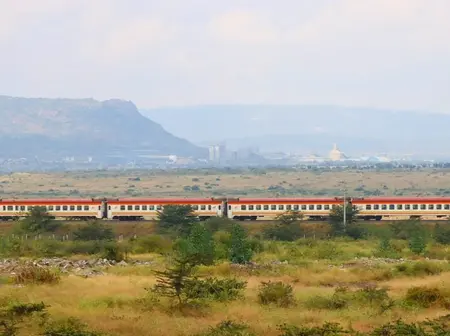
    Kenya Railways has cautioned passengers against fraudulent Madaraka Express ticket booking platforms as Kenyans prepare for increased travel during the festive season.

    In a public notice issued on Wednesday, November 4, 2026, the corporation urged travellers to remain alert and use only its authorised channels when purchasing Standard Gauge Railway (SGR) tickets.

    The warning, headlined, lists three official booking options and cautions passengers against using unauthorised platforms.

    Passengers can book tickets online through the official Kenya Railways website at https://metickets.krc.co.ke, dial *639# on their mobile phones or visit any Madaraka Express Passenger Service station.

    “Visit any of our Madaraka Express Passenger Service stations For more information, please contact: Phone: 0709 907 000, 0709 907 555,”Kenya Railway post read in part.

    The corporation urged travellers to verify booking platforms before making payments to avoid falling victim to fraudulent ticket sellers.

    According to the advisory, passengers seeking to travel on the Madaraka Express should make reservations exclusively through the three recognised channels.

    Those booking online should use the official ticketing portal, while passengers without internet access can use the USSD service by dialling *639#.

    Travellers can also purchase tickets physically at any Madaraka Express Passenger Service station.

    Kenya Railways provided additional contacts for passengers seeking clarification or assistance with their bookings.

    The corporation listed 0709 907 000 and 0709 907 555 as its official telephone contacts. Passengers can also reach it through info@krc.co.ke or visit www.krc.co.ke.

    Its official social media accounts operate under the name Kenya Railways on X and Facebook.

    The warning comes ahead of the Christmas and New Year holidays, when many Kenyans travel to different parts of the country to spend time with family and friends.

    The Nairobi-Mombasa route is among the key travel corridors served by the Madaraka Express, which offers passenger services between the two cities.

    With demand for holiday travel expected to increase, the advisory reminds passengers to confirm that they are using legitimate booking channels before completing transactions.

    The corporation’s notice provides a direct way for travellers to distinguish its authorised ticketing services from other platforms claiming to offer Madaraka Express reservations.

    Passengers seeking assistance with bookings can contact Kenya Railways through its published telephone numbers or email address.

    On October 31, 2026, the corporation completed its first vehicle transportation service, moving 24 vehicles from Mombasa to the Nairobi Inland Container Depot.

    The corporation plans to increase the service to approximately 700 vehicles monthly, targeting car dealers, importers and individual motorists.

    Kenya Railways Managing Director Philip Mainga said the service would provide another revenue stream while helping reduce pressure on roads.

    The development adds vehicle transportation to the range of services offered through the SGR infrastructure.

    Meanwhile, passengers planning to use the Madaraka Express have been advised to make bookings through the official portal, USSD code or passenger service stations to avoid ticketing fraud.
  • Sanlam Allianz top owner to sell 4.8pc stake on IRA rules

    Sanlam Allianz top owner to sell 4.8pc stake on IRA rules

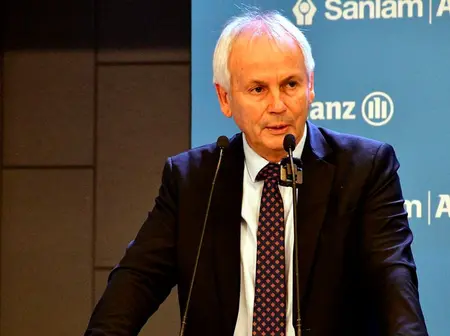
    Sanlam Allianz Holdings Kenya’s top shareholder faces a compulsory stake sale to East African investors after the allotment of previously deferred rights issue shares pushed its ownership beyond the allowed limit.

    The insurer’s parent, Sanlam Allianz Africa Proprietary Limited (SAZ), will be required to sell at least 30.95 million shares, equivalent to 4.81 percent of the new share capital, by September 28, 2027, to comply with local ownership requirements under the Insurance Act.

  • KPLC Announces Power Disruptions in 5 Counties on Thursday

    KPLC Announces Power Disruptions in 5 Counties on Thursday

    thumbnail

    OutagesKenya Power has announced scheduled electricity interruptions in five counties on Thursday to facilitate routine maintenance works.Kenya Power has announced scheduled electricity interruptions in five counties on Thursday, November 5, to facilitate routine maintenance works.In a notice on Wednesday, November 4, the company said the outages will affect parts of Nairobi, Kiambu, Kisii, Mombasa and Kilifi counties.

  • Parliament Outlines Legislative Reforms to Boost Kenya’s Capital Markets

    Parliament Outlines Legislative Reforms to Boost Kenya’s Capital Markets

    thumbnail

    The National Assembly’s Departmental Committee on Finance and National Planning has outlined a legislative agenda aimed at strengthening Kenya’s capital markets and unlocking alternative sources of long-term financing for economic development.Speaking during the NIFC Horizon 2026 conference, themed Financing Kenya’s Next Economic Chapter, Molo MP and Committee Chairperson Kimani Francis Kuria said Kenya must move beyond traditional bank lending and government budget allocations to mobilise long-term capital for development.

  • Alcohol factories risk closure in nationwide government crackdown

    Alcohol factories risk closure in nationwide government crackdown

    Alcohol factories risk closure in nationwide government crackdown

    Alcohol manufacturing factories found operating outside the law risk closure and withdrawal of their licences as the government steps up a nationwide crackdown on illicit and adulterated alcoholic products.

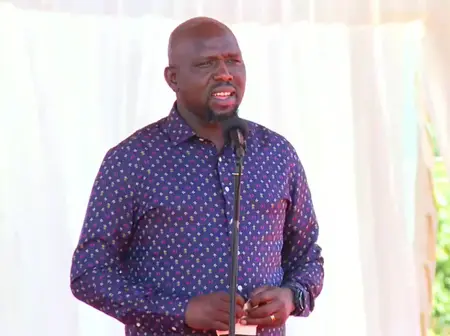
    Interior Cabinet Secretary Kipchumba Murkomen issued the warning on Wednesday, November 4, 2026, while addressing the National Assembly, saying the government would take action against manufacturers who fail to comply with the law.

    “Factories found operating outside the law will face appropriate enforcement action, including closure and withdrawal of licences, while those responsible will be held to account,” Murkomen stated.

    He described illicit alcohol, drugs and substance abuse as a serious threat to public health, community safety and the future of young people.

    Murkomen said the government had intensified operations over the past year to dismantle networks involved in the manufacture, distribution and sale of illicit alcoholic products.

    The operations, coordinated by County Commissioners, have brought together County Security and Intelligence Committees and other multi-agency teams to target businesses involved in the trade.

    The enforcement exercises have resulted in the seizure of large quantities of adulterated alcohol, illegal ethanol and other harmful substances.

    Several suspects have also been arrested and taken through the criminal justice process, while non-compliant businesses, including bars, have been shut down.

    The government says the operations are intended to disrupt the supply chains that keep harmful alcoholic products in circulation.

    The latest crackdown will focus on alcohol manufacturing premises across the country, with authorities conducting fresh inspections to establish whether factories meet existing legal and regulatory requirements.

    @kipmurkomen/X

    Murkomen said the re-inspection exercise was already underway, warning that manufacturers found violating the law would face enforcement action.

    The inspections are expected to establish whether production facilities comply with the standards governing alcohol manufacturing and licensing.

    The government is also targeting the circulation of products that pose health risks to consumers, particularly in areas where illicit brews have remained a public health and security concern.

    Under the new push, factory operators found operating outside the law risk losing their licences in addition to having their premises closed.

    Murkomen presented the alcohol enforcement campaign as part of the government’s wider security agenda, which also includes preparations for the 2027 General Election.

    He called for continued coordination among national and county security agencies to address threats posed by illicit alcohol, drug trafficking and substance abuse.

    The Interior Ministry’s approach places responsibility on county security teams to sustain enforcement operations, monitor compliance and ensure those involved in illegal production face the law.

    The nationwide inspections will therefore extend the crackdown beyond bars and retail outlets to the manufacturing facilities supplying alcoholic products to the market.

  • Chinese carmakers ride on sales to double Kenya market share

    Chinese carmakers ride on sales to double Kenya market share

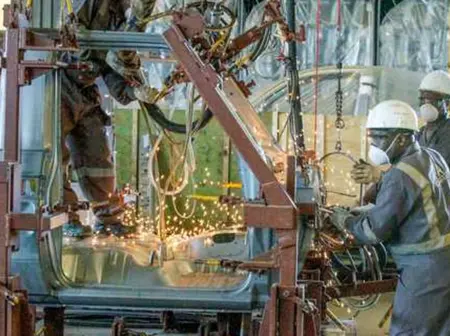
    Chinese manufacturers more than doubled their share of Kenya's new vehicle market in nine months to September 2026, riding on a jump in sales of trucks on increased government payments to road contractors.

    Sales of Chinese brands rose 152 percent to 1,847 vehicles in the nine-month period from 733 in a similar period last year, data from the Kenya Motor Industry Association (KMI) show.

  • Ruto Announces Training for Up to 1 Million Youth to Access KSh230 Billion Government Tenders

    Ruto Announces Training for Up to 1 Million Youth to Access KSh230 Billion Government Tenders

    thumbnail

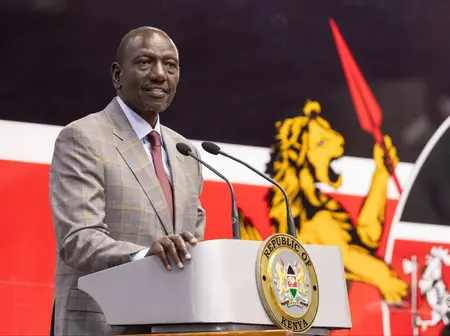
    President William Ruto has announced a government training programme targeting between 600,000 and one million young people to help them access government procurement opportunities worth approximately Ksh230 billion annually.Speaking on Wednesday, November 4, 2026, Ruto said the government had advertised the training programme, which was expected to expand the participation of young people in public procurement.

  • Tokenized Stocks vs. Traditional Shares: What Actually Changes?

    Tokenized Stocks vs. Traditional Shares: What Actually Changes?

    thumbnail

    Comparing tokenized stocks vs traditional shares starts with a practical question: what rights come with each investment? For readers in Kenya considering overseas equities, the answer depends on the product’s structure and applicable law.Traditional shares offer a conventional ownership route, while tokenized products can take several forms.

  • Carbacid holds dividend as net profit hits Sh1.1bn

    Carbacid holds dividend as net profit hits Sh1.1bn

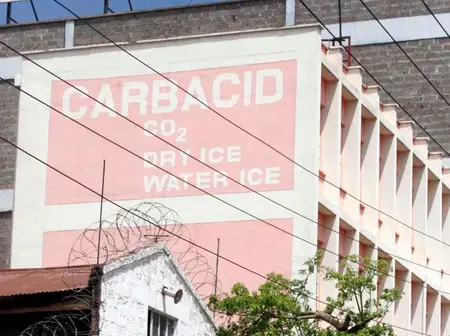
    Carbacid Investments has maintained a Sh2 dividend per share after posting a 12.2 percent growth in net profit to Sh1.13 billion in the year ended July 2026, helped by gains from its investments in equities.

    The Nairobi Securities Exchange (NSE)-listed carbon dioxide manufacturer will pay shareholders Sh509.7 million in dividends, matching last year's payout that came on the back of net earnings rising from Sh1 billion.

  • Mbadi: Kenya’s e-procurement system awards 4,470 contracts worth Ksh18.3B

    Mbadi: Kenya’s e-procurement system awards 4,470 contracts worth Ksh18.3B

    Mbadi: Kenya’s e-procurement system awards 4,470 contracts worth Ksh18.3B

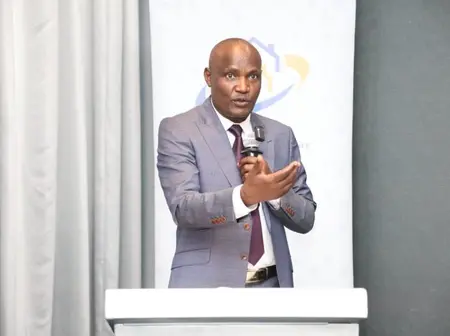
    Kenya’s electronic government procurement system has facilitated the award of 4,470 government contracts valued at approximately Ksh18.3 billion since its launch in April 2025, Treasury Cabinet Secretary John Mbadi has announced.

    Mbadi said the digital platform had also registered 45,000 suppliers, onboarded 1,546 procuring entities and processed more than 30,000 requisitions, highlighting its growing role in the management of public procurement.

    Speaking on Wednesday, November 4, 2026, during a breakfast meeting convened by the Institute of Public Finance (IPF), the CS said the government was using the Electronic Government Procurement (e-GP) system to strengthen transparency, accountability and efficiency in the awarding of public contracts.

    Since its launch on April 7, 2025, the platform has been at the centre of government efforts to digitise procurement processes and improve oversight of public spending.

    “The system has facilitated the award of 4,470 contracts valued at approximately Ksh18.3 billion,” Mbadi said, outlining the progress made since its introduction.

    The platform has also been integrated with several government systems, including the Integrated Financial Management Information System (IFMIS), Business Registration Service (BRS), National Construction Authority (NCA), Access to Government Procurement Opportunities (AGPO) and i-Tax.

    These integrations are intended to improve coordination between government institutions and make procurement processes more transparent and accountable.

    However, Mbadi cautioned that registering public institutions on the platform would not, on its own, guarantee the success of the procurement reforms.

    “The success of e-GP will depend not only on onboarding procuring entities but also on sustained system utilisation, compliance and building the capacity of public institutions and suppliers,” he said.

    The CS also identified the participation of small businesses as a key consideration in the next phase of the digital procurement programme.

    He said particular attention was needed to ensure that micro, small and medium-sized enterprises (MSMEs), as well as businesses owned by young people, women and persons with disabilities, could effectively access government procurement opportunities.

    The inclusion of these groups is expected to widen participation in public tenders and expand opportunities for businesses seeking government contracts.

    National Treasury buildings. PHOTO/@KeTreasury/X

    Mbadi said the government was preparing to extend the platform to procuring entities that had not yet been onboarded while introducing additional features to strengthen the procurement process.

    The next phase will include electronic complaints and appeals mechanisms, alongside contract management modules designed to improve the handling of procurement disputes and monitoring of awarded contracts.

    Development partners are also expected to support the government through technical integration and change management as implementation expands.

    The Treasury is advancing e-GP as a fundamental public procurement reform aimed at strengthening oversight, minimising irregularities and enhancing competition.

    The government also expects the platform to help secure greater value for money in the use of public resources.

    With 4,470 contracts already awarded through the system, attention is now shifting towards expanding institutional participation, improving compliance and ensuring that more businesses can compete for government tenders through the digital platform.