Category: Economy&Finance

  • Sinotruk leads Chinese manufacturers’ rapid expansion in Kenya as commercial vehicle demand rebounds

    Sinotruk leads Chinese manufacturers’ rapid expansion in Kenya as commercial vehicle demand rebounds

    Inchcape Kenya Managing Director Julia Vershinskaya at the official Kenya launch of Changan Auto passenger vehicles.

    Chinese vehicle manufacturers in Kenya nearly doubled their share of new vehicle sales in the nine months to September 2026, driven primarily by rising demand for commercial trucks as government payments to road contractors helped revive construction activity.

    Sales of Chinese brands increased 152% to 1,847 vehicles from 733 in the corresponding period last year, according to data from the Kenya Motor Industry Association (KMI). Their combined market share rose to 14.65% from 7.39%, meaning Chinese manufacturers accounted for almost one in every seven new vehicles sold through local showrooms.

    The growth significantly outpaced the wider market, where total new vehicle sales increased 27% to 12,606 units from 9,924. Sinotruk accounted for most of the Chinese manufacturers’ expansion, highlighting the importance of heavy commercial vehicles in their growing presence in Kenya.

    Sinotruk, distributed locally by CFAO Mobility Kenya, increased deliveries by 169.5% to 1,442 vehicles from 535 during the nine-month period. The truckmaker added 907 vehicles, representing 81.4% of the additional 1,114 units sold collectively by Chinese brands.

    Its contribution also meant Sinotruk accounted for approximately 78% of all Chinese vehicle sales recorded during the period. The figures place the manufacturer at the centre of the competitive gains made by Chinese brands, particularly in a market where construction companies, transporters and businesses depend on trucks to move materials and distribute goods.

    Foton, another Chinese commercial vehicle manufacturer distributed in Kenya by Mobikey Truck and Bus, also recorded stronger deliveries, with sales rising to 168 units from 88. The performance suggests that demand for Chinese commercial vehicles is extending beyond a single manufacturer.

    The expansion has also reached passenger vehicles, where BYD, Changan and Chery recorded higher deliveries as their local distributors developed their showroom presence.

    BYD, distributed by CFAO Mobility Kenya, increased sales to 54 vehicles from two in the same period last year. Changan, represented by Inchcape Kenya, doubled deliveries to 73 from 36, while Chery Tiggo, whose distribution is handled by Salvador Caetano, recorded 50 sales against none a year earlier.

    Other Chinese manufacturers posted mixed results. Great Wall Motors (GWM) increased deliveries to 18 vehicles from eight, while JMC sales rose to 21 from 15. Haval, distributed by Crown Motors, recorded a decline to four vehicles from 31, while Beiben sales edged down to 17 from 18.

    The passenger vehicle gains add another dimension to Chinese manufacturers’ expansion, particularly as BYD develops its presence in electric and hybrid mobility. CFAO Mobility Kenya’s distribution of both Sinotruk and BYD also places the established automotive group within two of the most visible areas of Chinese brand growth.

    The wider manufacturing ambitions are reflected in a proposed KSh390 billion investment involving Endelevu Enterprise Corporation and Geely Auto Group. The partnership, reported in October 2026, includes plans for vehicle assembly facilities, charging infrastructure and a digital mobility platform, placing Chinese automotive investment within Kenya’s broader industrial development ambitions.

    Other developments include Dongfeng’s entry into Kenya’s electric vehicle market through ePureMotion, alongside local assembly ambitions, and the growth of financing arrangements supporting electric commercial transport. NCBA and BasiGo, for example, announced a financing programme targeting 1,000 electric vehicles, with qualifying businesses and SACCOs able to access financing covering up to 90% of vehicle costs over 60 months.

    The recovery in new vehicle sales has coincided with increased government spending on road infrastructure, which has helped restore activity among contractors that had struggled with unpaid bills.

    Isuzu East Africa, Kenya’s market leader, attributed much of the industry’s expansion to the government’s mobilisation of KSh139 billion to settle contractors’ outstanding payments and restart stalled road projects.

    “Industry performance was primarily propelled by government fiscal intervention—specifically the mobilization of Sh139 billion to clear contractor bills and restart road projects, which spurred heavy commercial vehicle demand,” Isuzu said in the KMI report for September.

    The payments have eased financial pressure on contractors, some of whom had abandoned projects or faced the risk of losing vehicles and equipment financed through bank loans.

    The State Department for Roads’ pending bills declined 23.5% to KSh98.17 billion in the financial year ended June, extending a reduction from the KSh166.76 billion peak recorded in the 2023/24 financial year. The latest decline amounted to KSh30.19 billion, following a KSh38.40 billion reduction in the previous financial year.

    Lower borrowing costs have provided additional support to businesses seeking to acquire trucks, delivery vehicles and other commercial equipment. Central Bank of Kenya data shows the weighted average commercial lending rate fell to 14.34% in August 2026 from 15.17% a year earlier, extending a decline from the 17.22% peak recorded in November 2024.

    The lower rates can ease financing expenses for businesses purchasing vehicles through bank loans and asset-financing arrangements, although the actual cost depends on individual lending terms.

    Competition between vehicle manufacturers will also depend on acquisition prices, operating costs, spare parts availability and the strength of local servicing networks. CFAO Mobility Kenya, which represents 15 automotive brands in the country, has highlighted the importance of distribution capacity, technical expertise and after-sales support in its wider automotive operations.

    For established manufacturers such as Isuzu, the growth of Sinotruk and other Chinese truckmakers adds competitive pressure in a segment where purchase costs and vehicle operating economics influence business decisions.

    The latest sales figures show that Chinese manufacturers are gaining ground across Kenya’s new-vehicle market, with commercial trucks providing the largest contribution while passenger brands build a presence through established local distributors. Their ability to maintain that growth will make them important competitors in Kenya’s automotive industry.

  • President Ruto Announces New Training Opportunity to Kenyan Youths that Could Give Upto 230 Billion

    President Ruto Announces New Training Opportunity to Kenyan Youths that Could Give Upto 230 Billion

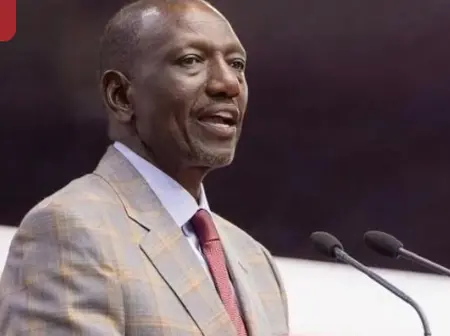
    Speaking on Wednesday, November 4, 2026, Ruto said the programme would train between 600,000 and one million youths on how to benefit from government tenders through the Access to Government Procurement Opportunities (AGPO) programme.

    The President explained that the initiative was intended to increase the participation of young people in public procurement and create more opportunities for them to establish businesses.

    Under the AGPO programme, 30 per cent of government procurement opportunities are reserved for young people, women and persons with disabilities.

    Ruto said successful participants would receive certificates after completing the training. They would also benefit from free business name registration to help them establish enterprises and participate in government tenders.

    The announcement comes as the government seeks to expand economic opportunities for young people through public procurement and business development initiatives.

    At the same time, Ruto revealed plans to establish a modern leather manufacturing facility in partnership with a South Korean investor.

    The proposed factory will complement the government's KSh5.8 billion investment in the Kenya Leather Industrial Park in Kenanie, Machakos County.

    According to the President, the planned facility has an ambition of producing one million pairs of shoes, creating employment opportunities and supporting local manufacturing.

    He added that government institutions, including the National Police Service and other security agencies, would provide markets for locally manufactured footwear.

    The President said the government was committed to promoting locally produced goods and reducing dependence on imported finished products.

    He maintained that expanding industrial production alongside trade opportunities would help Kenyan businesses access markets across Africa and other international destinations.

    The leather industry investment is expected to strengthen local manufacturing, encourage private investment and create additional employment opportunities.

    Meanwhile, the government training programme is expected to give thousands of young entrepreneurs the skills and knowledge needed to compete for public tenders.

    The initiative could also increase youth participation in business and strengthen the role of small enterprises in Kenya's economy.

  • Man Shares How He Built a Home and Business 18 Months After Leaving UK

    Man Shares How He Built a Home and Business 18 Months After Leaving UK

    27-year-old Zimbabwean man who returned home after spending seven years, working in the United Kingdom has shared how he built a house and established a business within 18 months.

    Sam settled in Victoria Falls after leaving Britain, where he had spent several years working. Since his return, he has focused on building a new life and pursuing ambitions he had hoped to achieve back home.

    One of his major milestones was acquiring a small piece of land in Monde village, where he constructed his own house. He also launched a cruise business known as Zam Zam, which is now fully operational.

    Sam’s progress has extended beyond property and business. He also rebuilt a car he had long wanted, turning another personal ambition into reality.

    The young man recently became a father, marking another major change in his life since returning to Zimbabwe.

    He has been documenting his journey on Instagram, sharing glimpses of his home, business and experiences in the country. His posts have attracted attention from people interested in his decision to leave life in the UK and start afresh.

    In one of his videos, Sam filmed himself against a sunset backdrop, with a swimming pool and a bush landscape visible behind him.

    “This is the view that I wake up to every morning,” he said as he showed followers the surroundings of his new home.

    His story has also highlighted the different opportunities he has pursued since relocating. Rather than focusing only on his house and business, Sam has developed an online presence through adventure-related content.

    His social media posts feature activities such as surfing, kayaking and encounters with wildlife, giving followers a glimpse of life in Victoria Falls.

    Sam's experience has become a source of encouragement for people considering returning to their home countries after spending years abroad. Through his updates, he hopes to inspire others to pursue their ambitions and explore opportunities back home.

    Within a relatively short period, he has managed to establish a home, launch a business and make progress on several personal goals.

    LINK: https://www.tuko.co.ke/world/africa/645631-achieved-zimbabwean-man-returns-home-uk-builds-a-house-business-18-months/?fbclid=IwZXh0bgNhZW0CMTEAcGRvZgRzcnRjBmFwcF9pZA80MDk5NjI2MjMwODU2MDkAAR_ILyabhye3LujUFQkslup3swL-x_YR0ryC0WJC0In4J30NImwNyS3pzpttXA_aem_07jE2Kebu2lIPjXMeUpUwg

  • Kenyan Teacher’s Unique Project Impresses Many as Pupils Receive 2 Chickens to Rear at Home

    Kenyan Teacher’s Unique Project Impresses Many as Pupils Receive 2 Chickens to Rear at Home

    A Kenyan teacher has impressed many after launching an innovative poultry project aimed at teaching pupils practical farming skills, responsibility and entrepreneurship from an early age.

    Identified as Orina Dominic, the teacher introduced an initiative in which every participating learner receives two chickens to take home and rear. The project is designed to help children develop an interest in poultry farming while giving them an opportunity to start building something they can eventually turn into a source of income.

    Under the arrangement, each learner is expected to return two chickens after 10 months, provided their flock has multiplied. However, they are allowed to keep all the additional chickens, giving them a chance to expand their poultry ventures.

    The two chickens returned to the teacher are then handed over to another learner who has not benefited from the programme. This allows the initiative to reach more children without requiring fresh donations for every new participant.

    Sharing details of the project, Orina explained that his motivation goes beyond simply distributing chickens to schoolchildren. He hopes to equip them with practical knowledge and values that will benefit them long after completing their education.

    Through the initiative, learners get an opportunity to understand livestock management, patience, accountability and the importance of taking care of animals. They also learn how small investments can grow into valuable ventures when properly managed.

    The project further introduces children to the importance of giving back to society. By returning the original two chickens, beneficiaries help create similar opportunities for other learners who may not have the resources to start poultry farming on their own.

    Orina's initiative has created a revolving system in which one child's success becomes another learner's starting point.

    Beyond the two chickens, the project offers pupils an opportunity to develop an entrepreneurial mindset and appreciate the value of hard work, responsibility and helping others succeed.

    Source

    https://www.tuko.co.ke/people/family/645635-kenyan-teacher-starts-innovative-project-pupils-receive-2-chickens-rear-home/?fbclid=IwZXh0bgNhZW0CMTEAcGRvZgNzcnRjBmFwcF9pZA8yNzUyNTQ2OTI1OTgyNzkAAR8IMRtrXPKRUGAO-z8zhCJDBp-i-rlfjZ12l3OuPjYdfkJAQuDP9FjrQ1hhVw_aem_d33_wroatOBjeRktADhiOA

  • Reportage Group eyes further investment in Kenya as Sh6 billion Nairobi projects go

    Reportage Group eyes further investment in Kenya as Sh6 billion Nairobi projects go

    thumbnail

    UAE-based developer Reportage Group is scouting for new development sites in Kenya, signalling a bigger bet on the country's property market as work advances on its three Nairobi projects.Group Managing Director Andrea Nucera and the company's senior leadership toured DG JKIA, DG West and Enzo Residence during a recent visit, reviewing construction progress, meeting the local team and assessing potential sites for expansion.

  • World Bank Sounds Alarm Over Housing Levy, Multiple Taxes Hurting Kenyan Businesses

    World Bank Sounds Alarm Over Housing Levy, Multiple Taxes Hurting Kenyan Businesses

    In its November 2026 Kenya Economic Update, released in Nairobi on Wednesday, November 4, the global lender identified several government-imposed charges that continue to increase the cost of doing business in the country.

    According to Kenyans.co.ke's November 4 report, the levies highlighted include the Affordable Housing Levy, Railway Development Levy and Import Declaration Fee, alongside increased road and petroleum levies.

    The World Bank warned that the accumulation of multiple charges could expose businesses to increased demands for bribes, particularly when dealing with complicated tax assessment and payment procedures.

    The concerns come amid wider revelations about corruption within Kenya's public institutions.

    In its November 4 coverage, Citizen Digital reported that the latest World Bank economic assessment identified corruption as a major constraint preventing Kenya from achieving its full economic potential.

    The publication highlighted the lender's finding that corruption widens Kenya's fiscal deficit by approximately two percentage points of Gross Domestic Product (GDP), further increasing the government's financial burden.

    The Standard also reported on November 4 that corruption was costing Kenya billions of dollars through lost revenue, increased business expenses and reduced economic opportunities.

    Similarly, The Star had previously highlighted concerns raised by the World Bank over high taxes, county levies, regulatory uncertainty and cumbersome administrative procedures affecting Kenyan businesses.

    In its October 5 report, the publication explained how multiple national and county-level charges, alongside frequent tax changes, were increasing compliance costs and discouraging private investment.

    Daily Nation had also reported on July 14 that the World Bank wanted Kenya to prioritise improving public expenditure rather than relying heavily on increasing tax rates to address its fiscal challenges.

    The latest concerns come as the government continues to struggle to meet its revenue collection targets despite maintaining several taxation measures aimed at financing public expenditure.

    The November 2026 economic update indicates that tax revenue stood at 12.8 per cent of GDP, falling short of the government's 13.3 per cent target.

    Value Added Tax (VAT) and income tax accounted for 79.4 per cent of total tax revenue, making their performance critical to the government's ability to meet its collection targets.

    However, VAT collections have also faced challenges following the April 2026 decision to reduce VAT on fuel from 16 per cent to 8 per cent. The adjustment contributed to collections falling 6.4 per cent below target.

    Further findings reported by KBC on November 4 revealed that approximately 36 per cent of Kenyan businesses had experienced at least one bribery request during the preceding year.

    The World Bank also established that approximately 22 per cent of businesses were expected to pay bribes when dealing with tax officials, highlighting the difficulties companies encounter when interacting with government institutions.

    To address the situation, the global lender has recommended improvements in tax administration, including greater use of digital systems to make tax assessments more transparent and reduce opportunities for corruption.

    It has also proposed allowing taxpayers to track refunds and audits while establishing better channels for escalating unresolved disputes.

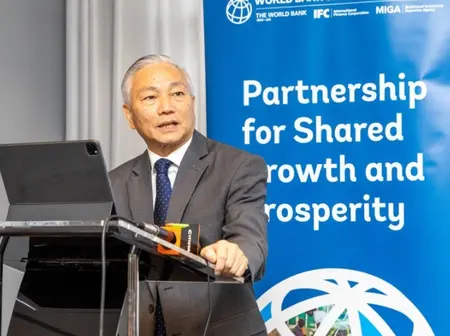
    The report was released in Nairobi by Qimiao Fan, the World Bank's Division Director for Kenya.

    The latest warning places the government under renewed pressure to balance its revenue collection ambitions with the need to create a business environment that encourages investment, protects entrepreneurs and supports employment creation.

    For Kenyan businesses already dealing with multiple financial obligations, the assessment raises fresh questions about whether the country's taxation system is making it increasingly difficult for companies to operate, expand and create employment.

  • World Bank Uncovers How Land Deals and Direct Contracts Affected Kenya’s KSh648 Billion SGR Project

    World Bank Uncovers How Land Deals and Direct Contracts Affected Kenya’s KSh648 Billion SGR Project

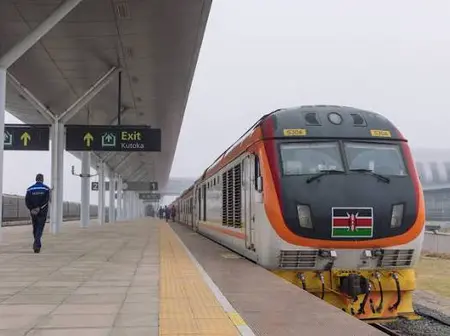
    Kenya could have saved approximately KSh116 billion during the construction of the Standard Gauge Railway (SGR) between Mombasa and Nairobi if the project had been completed at a cost comparable to a similar railway in Tanzania, according to a new World Bank report.

    The findings are contained in the World Bank's Kenya Economic Update released on Wednesday, November 4, 2026, which examined infrastructure spending and governance challenges affecting public projects in the country.

    According to the report, constructing Kenya's Mombasa–Nairobi SGR cost approximately KSh988 million per kilometre, equivalent to US$7.6 million.

    The figure was considerably higher than the cost recorded for Tanzania's Dar es Salaam–Dodoma railway, which stood at approximately KSh741 million per kilometre, or US$5.7 million.

    The Djibouti–Addis Ababa railway was even cheaper, with construction costs estimated at KSh689 million per kilometre, equivalent to US$5.3 million.

    The World Bank estimated that Kenya could have saved up to US$900 million, approximately KSh116 billion, had its railway been constructed using the same cost metric as the Tanzanian project.

    The lender attributed part of the difference to governance problems, including the preference for direct contracting instead of competitive tendering, land speculation and alleged fraud involving land ownership documents, property valuations and compensation payments.

    "With the same cost metric as the Tanzanian line, Kenya could have saved up to US$900 million in initial construction costs. Of this amount, at least 30 percent is considered attributable to governance challenges," the report stated.

    The report also cited a 2026 Transparency International Kenya assessment, which identified the SGR project as particularly vulnerable to corruption risks.

    Kenya's railway construction financing also featured in the findings. According to the National Treasury's draft 2027 Budget Policy Statement released in October, the government borrowed approximately KSh648 billion from China to finance the SGR construction from Mombasa towards Naivasha.

    Beyond the railway project, the World Bank raised concerns about public procurement practices, particularly the awarding of government contracts to companies linked to public officials.

    It warned that direct procurement and insufficient transparency in some public-private partnership projects could encourage collusion and increase the cost of government projects.

    The lender also called for greater disclosure of beneficial ownership information to establish the individuals behind companies receiving public contracts.

    The report further highlighted bribery affecting informal workers, including boda boda riders, who reportedly lose between five and 20 per cent of their daily earnings through payments demanded by traffic police and other enforcement officers.

    It cited estimates showing that traffic police bribes across the country amount to approximately KSh88 billion annually.

    To address the problem, the World Bank recommended implementing reforms to decriminalise minor traffic offences and introducing instant fines to reduce opportunities for bribery.

    The lender also urged national and county governments to agree on measures that would protect informal workers from harassment by frontline enforcement officers.

    https://www.facebook.com/100040319114203/posts/2041939270493357/?app=fbl

  • World Bank Report Ranks Kenya’s Most Bribery-Prone Institutions, Police Lead List

    World Bank Report Ranks Kenya’s Most Bribery-Prone Institutions, Police Lead List

    A new economic report has raised concerns about the challenges facing Kenyans when seeking services from public institutions. The findings highlight how bribery continues to affect service delivery, businesses and the country's economic performance.

    The findings are contained in the World Bank's 34th edition of the Kenya Economic Update, released in November 2026. The report uses data from Transparency International, the Ethics and Anti-Corruption Commission and Afrobarometer to examine bribery experiences across different institutions.

    According to the report, the police service recorded the highest score on the bribery index, at 84.0 in the 2025 survey. This was an increase from 64.0 in 2019 and was significantly higher than the scores recorded by other institutions.

    Land services ranked second with 45.0, while motor vehicle licensing services came third with 43.7. The judiciary followed with a score of 40.8. Other institutions included in the ranking were civil registration offices, medical and health services, business licensing, education services, tax services and Huduma Centres.

    The report also highlighted the economic impact of bribery. It noted that people from poorer households were more likely to pay bribes to police officers than those from wealthier households. Among boda boda riders, such payments were estimated to take up between 5% and 20% of their daily earnings.

    For businesses, 39% of surveyed firms considered corruption a major or severe obstacle to their operations in 2025, compared with 25% in 2013.

    The World Bank estimated that corruption and collusion cost Kenya about 2% of its gross domestic product annually through higher fiscal deficits. It also warned that governance challenges continue to limit economic growth and job creation.

    Source link : .https://www.tuko.co.ke/business-economy/645616-new-world-bank-economic-report-lists-corrupt-institutions-kenya/

  • KTA Issues Major Directive to Truck Owners Following KRA’s New Electronic Seal Requirements

    KTA Issues Major Directive to Truck Owners Following KRA’s New Electronic Seal Requirements

    In a statement issued on Wednesday, November 4, the association directed transporters to immediately stop handling cargo that requires user-owned multi-vendor Regional Electronic Cargo Tracking System (RECTS) seals.

    KTA argued that shifting the financial responsibility for mandatory customs cargo monitoring to transporters would increase their operating expenses and make the business environment difficult to sustain.

    The association said it opposed KRA's decision to transfer the cost of customs cargo monitoring to transport companies, maintaining that the additional expenses should not be imposed without a clear arrangement for recovering the money.

    As part of its directive, KTA instructed members not to purchase or lease electronic seals or enter into commercial agreements with seal providers until an acceptable cost-recovery arrangement is established.

    The association also raised concerns that the new charges could weaken Kenya's competitiveness along the Northern Corridor, a major trade route serving landlocked countries in the East African region, including Uganda.

    KTA warned that increased transportation expenses could affect businesses that depend on the corridor for the movement of goods, particularly those involved in cross-border trade.

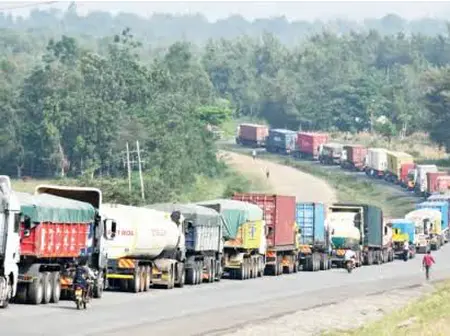
    The disagreement comes barely days after KRA introduced the upgraded electronic cargo tracking system on October 26, replacing the single-vendor arrangement that had operated since 2017.

    KRA said the changes were designed to address problems experienced under the previous system, including shortages of electronic seals at cargo tagging points and frequent equipment failures caused by ageing devices.

    Under the new arrangement, transporters and service providers can own and manage electronic seals based on their commercial agreements, allowing users to choose from multiple providers.

    The tax authority expects the changes to increase the availability of seals, reduce queues at cargo handling points, minimise unnecessary tracking alerts and speed up customs clearance while maintaining cargo monitoring.

    However, KTA maintains that the financial burden associated with the new arrangement remains unresolved.

    The association has announced plans to seek urgent legal advice and is considering available legal options, including court proceedings, to challenge the requirements and protect the interests of transporters.

    The suspension places the new cargo tracking arrangement at the centre of a growing disagreement between the tax authority and transport industry players, with the cost of compliance emerging as the main point of contention.

    https://www.facebook.com/100064288795404/posts/1569635651856046/?app=fbl

  • Kenya Power Announces Electricity Interruptions in Five Counties on Thursday

    Kenya Power Announces Electricity Interruptions in Five Counties on Thursday

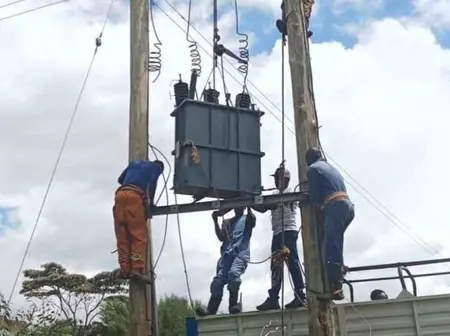
    Kenya Power has announced planned electricity interruptions that will affect customers in five counties on Thursday, November 5. Some areas are expected to remain without electricity for up to eight hours as the company carries out maintenance work.

    The planned outages are expected to affect different parts of the country, with customers being advised to prepare for temporary power interruptions. Kenya Power regularly schedules maintenance work to improve the reliability of electricity supply and maintain its distribution network.

    KPLC Announces Power Shutdowns in 5 Counties on Thursday

    According to the announcement, the interruptions will take place during specified hours, depending on the affected areas. Customers living and working in the listed locations may experience difficulties carrying out activities that depend on electricity.

    The planned power cuts could affect homes, businesses, schools, offices and other institutions. Small business owners who rely on electricity to operate their equipment may also experience temporary disruptions during the maintenance period.

    Kenya Power has advised customers in the affected areas to make alternative arrangements before the interruptions begin. Those who depend on electricity for important activities have been encouraged to plan ahead to avoid unnecessary inconveniences.

    Households are also advised to charge their mobile phones, laptops and other electronic devices before the scheduled outages. Businesses that use electric equipment may need to adjust their working hours to reduce possible losses.

    Customers are encouraged to check the official Kenya Power communication channels for the complete list of affected areas and the specific hours of interruption.

    The company has not advised customers to panic, but early preparation will help reduce the challenges associated with the planned maintenance.

    Residents in the five affected counties are therefore urged to take note of the announcement and make the necessary arrangements ahead of Thursday's electricity interruptions.

    source:https://www.facebook.com/share/p/1EJWNtV5k9/