
Listen to articleThe association directs transporters to stop loading cargo requiring the new electronic seals and rejects any costs imposed without an approved tax recovery mechanism.The Kenya Transporters Association (KTA) has directed transporters to immediately stop loading cargo that requires the new user-owned electronic tracking seals, protesting the transfer of mandatory customs monitoring costs from the government to the transport industry.
Category: Economy&Finance
-

Carbacid Rewards Shareholders with Fat Christmas Dividend Cheque of KSh 509.7Million
Carbacid Investments, a listed gas manufacturer, saw its net profit rose 12.2% to KSh 1.13 billion for the financial year ended 31st July 2026. Shareholders of the firm will be laughing all the way to the bank to cash a fat dividend cheque that is payable a week to Christmas day.
-

Viral post claiming Musk proposed app for billionaires to pay strangers’ bills is false
A social media post claiming Elon Musk proposed an app that would let billionaires pay ordinary people's bills has spread widely online — but it turns out to be false.Posts circulating on Facebook, Instagram and other platforms claimed Musk had suggested an app where people could upload their bills and "bored billionaires" could swipe right to pay them.
-

Distressed developer to sell Sh20bn prime Kenya assets
Debt-distressed Mauritius-based property developer Grit Real Estate Income Group is set to sell all its investments, including Sh20 billion in assets in Kenya, among them the Buffalo Mall in Naivasha and Rosslyn Grove estate in Nairobi, which hosts the US Embassy staff.
Grit, whose lenders include South Africa’s Standard Bank Group, Absa Bank Kenya and NCBA Group, says it faces higher finance costs at a time when the value of its real estate assets has declined significantly.
-
CBK Accepts KSh 70.9 Bn At latest November Treasury Bills Auction
CBK(Central Bank of Kenya) accepted KSh 70.86billion from KSh 99.47 billion in bids in its latest Treasury bond auction in November, against KSh 50 billion offered.At the auction bidders tilted their demand towards the newly issued 30-year Treasury Bond, which attracted KSh 62.40 billion in bids with the state fiscal agent accepting KSh 40.95 billion and is offering successful bidders a return of 14.1266%
-
World Bank says Kenya overpaid Sh117bn for Mombasa-Naivasha SGR
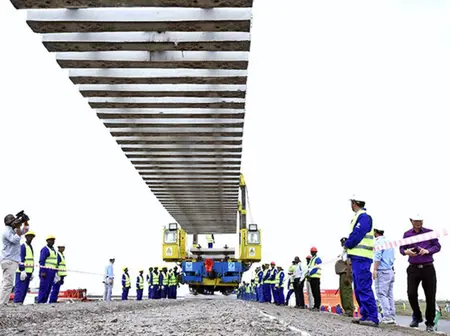
The World Bank says Kenya overpaid up to Sh117 billion for the construction of the Mombasa-Naivasha Standard Gauge Railway (SGR, partly because of fraud in land compensation and an uncompetitive contract award.
The World Bank argues that competitive tendering and clean land compensation deals would have lowered Kenya’s SGR costs, comparing the cost of the country’s diesel-powered SGR with superior electrified lines in the region like the one Tanzania.
-
Ruto Urges Kenyans to Buy Locally Made Products to Boost Economy
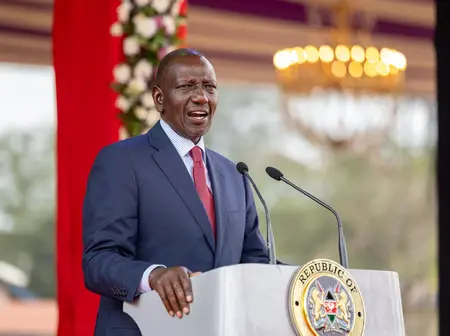
President William Ruto has urged Kenyans to support locally manufactured products as part of efforts to strengthen the country's economy and promote industrial growth.
The Head of State said Kenyans should make a deliberate decision to purchase goods produced within the country instead of relying heavily on imported products. He noted that supporting local industries would help businesses expand and create more employment opportunities for citizens.
According to Ruto, increased demand for locally manufactured goods would encourage Kenyan companies to increase production, invest in modern technology and employ more workers. This would also help small and large businesses grow while contributing to the country's economic development.
The President explained that buying locally made products was an important step towards building a stronger manufacturing sector. He maintained that the government was committed to creating an environment where local industries could operate, compete and attract more investment.
Ruto also linked the push for locally manufactured goods to his administration's industrialisation agenda. The government aims to expand manufacturing activities, increase production and reduce the country's dependence on imported goods.
He noted that industrial growth could open more opportunities for young people, particularly those looking for employment in factories, businesses and other related sectors.
The President's remarks come as Kenya continues to explore ways of boosting local production and improving the competitiveness of its industries.
Supporting locally manufactured products could also help Kenyan businesses reach more customers and increase their contribution to national development.
Ruto's message is that economic growth should involve both the government and ordinary citizens. By choosing locally produced goods, Kenyans can play a role in supporting businesses, protecting jobs and strengthening the country's manufacturing sector.
source:https://www.facebook.com/share/p/1FKKsWFGfX/
-

President Ruto’s Fresh Promise To All Kenyans In Business Sector
The government has not yet provided specific details regarding the total amount available, participating financial institutions, or the application timeline. Business groups are likely to seek further clarification as officials develop the scheme. The plan forms part of the administration’s broader effort to reduce import reliance and support economic activity.
https://x.com/citizentvkenya/status/2118016162164314481?a=EsnrpYBfBcKB-i6sxQY&s=20
-
KTA Orders Immediate Halt to Cargo Loading Over New KRA e-Seal Rules
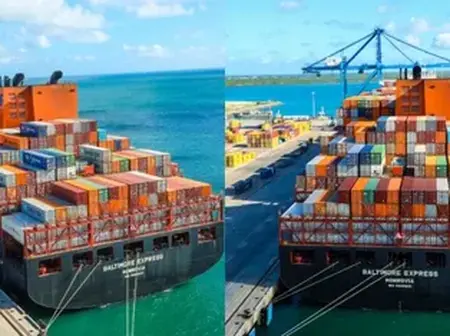
The Kenya Transporters Association (KTA) has suspended the loading of cargo requiring the Kenya Revenue Authority’s (KRA) new electronic cargo seal system, citing additional costs that it says could hurt transport businesses.
In a statement issued on Wednesday, November 4, the association directed its members to immediately stop operations involving cargo that requires user-owned multi-vendor Regional Electronic Cargo Tracking System (RECTS) seals.
KTA said it strongly opposed KRA’s decision to transfer the cost of mandatory customs cargo monitoring to transporters, arguing that the arrangement was unfair and commercially unsustainable.
The association also instructed members to stop purchasing or leasing the electronic seals and avoid entering into business agreements with seal providers until an acceptable cost-recovery arrangement is reached.
According to KTA, the authority has not established a mechanism that would allow transporters to recover the additional expenses through sustainable tax terms.
The association warned that the new charges could make Kenyan transporters less competitive and affect trade along the Northern Corridor, a major route connecting the Port of Mombasa to landlocked countries, including Uganda.
KRA rolled out the upgraded cargo tracking system on October 26, saying it would improve cargo monitoring, reduce operational delays and make cross-border trade more efficient.
The new arrangement replaces the single-vendor system that had been in operation since 2017. KRA said the previous model faced challenges, including shortages of electronic seals at cargo tagging points and ageing devices that frequently failed to work properly.
Under the multi-vendor system, service providers or users can own and manage the seals depending on their commercial agreements. The authority says this gives transporters more flexibility when selecting providers.
KRA expects the changes to improve seal availability, reduce queues and unnecessary tracking alerts, and speed up cargo clearance while maintaining customs oversight.
However, KTA maintains that transporters should not be forced to shoulder the cost of a mandatory customs monitoring service without a clear way of recovering the expenses.
The association said it was seeking urgent legal advice and would consider further action, including court proceedings, to protect its members’ interests. It maintained that loading operations involving the affected cargo would remain suspended until a sustainable agreement was reached.
LINK: https://www.kenyans.co.ke/news/129139-kta-suspends-cargo-loading-over-new-kra-e-seal-rules?utm_source=Facebook&utm_medium=ME&fbclid=IwZXh0bgNhZW0CMTEAcGRvZgRzcnRjBmFwcF9pZA80MDk5NjI2MjMwODU2MDkAAR9Ipqlsv24OZbd9vgfRNVgxU_3C4c5IIVwumWymKPItvTOHDOfy0vHgXh0vEw_aem_s8kwsjLZ_BBuc55ntmQiWg
-
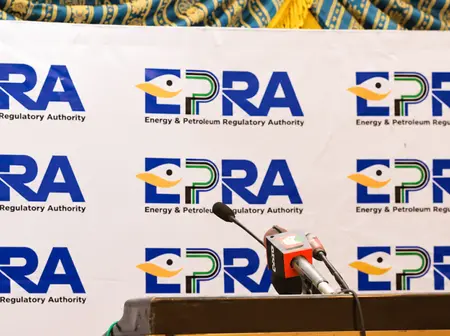
EPRA’s New Digital Rules Force Total Shakeup Affecting Thousands of LPG & Fuel Importers
The groundbreaking changes were unveiled today during the second stakeholder sensitization forum held at the Hilton Building in Nairobi. The event brought together oil, gas, and transport stakeholders from Nairobi and the Eastern region.
Robert Kibiwott, the Deputy Director for Upstream Petroleum, officially opened the session. He represented EPRA Director General Edward Kinyua, emphasizing the government's commitment to modernization.
The newly proposed system marks the end of slow, traditional paperwork for energy players. Importers, exporters, licensees, and transporters must now adapt to swift digital clearance processes.
Key features of the digital migration include electronic document submission and online journey plans. Furthermore, it introduces integrated licence verification to curb illegal operations and enhance compliance.
According to EPRA, Phase One of this digital system will strictly focus on Petroleum and LPG consignments. This targeted approach ensures that the highest-demand cooking gas and fuel sectors transition smoothly first.
The regulatory bodies expressed deep gratitude for the feedback and recommendations received during the Nairobi forum. This collaborative data will directly shape the final implementation of the system.
This digital upgrade is expected to reduce port and border delays significantly. By eliminating manual verification, fuel and gas supply chains across Kenya will become faster and cheaper.
SOURCE