
Kenya’s foreign exchange reserves declined by 4.5 per cent to USD13.95 billion, equivalent to 5.6 months of import cover, as a strengthening US dollar and shifting global monetary policy expectations continued to shape currency movements and investor sentiment.According to the November 23, 2026, Fixed Income Weekly Report by Standard Investment Bank (SIB), the Kenyan Shilling recorded mixed performance against major global and regional currencies during the week, reflecting the varying impact of international market developments.
Category: Economy&Finance
-

Is Kenya’s Cost of Living Really What You Think? See the Old Supermarket List Ndii Just Pulled Out
The post, which circulated widely on social media on Monday, November 23, 2026, reignited familiar debates over how everyday retail prices compare across time and how families are coping with living expenses.
For ordinary Kenyans shopping for staples such as maize flour, wheat flour, sugar, milk, cooking oil, and vegetables, price movements on supermarket shelves and neighbourhood kiosks remain one of the most immediate yardsticks of economic well-being.
While comparative price lists often trigger spirited argument over selective memory, seasonal shifts, and changing product sizes, they consistently underline how sensitive household budgets are to even modest increases in daily necessities.
Official figures from the Kenya National Bureau of Statistics illustrate why the conversation over essential goods resonates so strongly with households.
Recent inflation tracking has shown upward pressure in key categories—particularly food and non-alcoholic beverages alongside transport—even as isolated items such as sugar have occasionally recorded slight dips.
When food and commute expenses climb simultaneously, lower-income and middle-income families feel the squeeze first because basic necessities account for such a large share of monthly income.
At the same time, economic commentators note that assessing the cost of living requires looking beyond single price tags to examine broader trends in wages, supply chains, fuel costs, and agricultural output.
A throwback advert can prompt reflection on how retail offerings have shifted, yet real relief for shoppers depends on sustained stability in food production, logistics, and household incomes.
What are your thoughts about this articles? Share your reactions in the comment section and don't forget to share and follow for more updates.
https://peopledaily.digital/news/ndii-pulls-out-old-supermarket-price-list-after-kenyan-asks-what-happened-to-prices-of-essential-goods
-

Government Securities Attract KSh86bn In Bids As Investors Increase Appetite For Treasury Bonds
Investor appetite for Kenyan government bonds remained strong in the latest auction, with the Central Bank of Kenya (CBK) receiving bids worth KSh86 billion against an initial offer of KSh50 billion, reflecting continued demand for government securities despite tightening liquidity in parts of the domestic market.
-
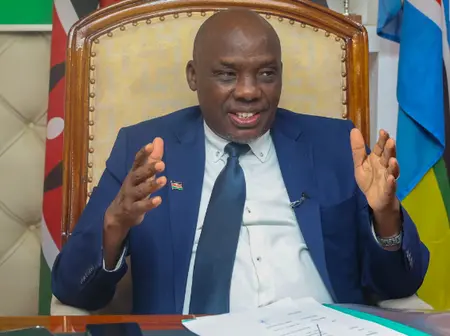
Ksh3.9 Billion in Sugar Arrears: Where Did the Money Go, and What Happens to the Rest?
Alongside the substantial payout, Agriculture Principal Secretary Kiprono Ronoh has issued a firm warning to sugar millers against accumulating fresh debts, stressing that hard-won sector reforms must not be undermined by poor financial discipline.
For years, delayed payments to cane growers and factory workers crippled morale, depressed cane deliveries, and sparked recurring disputes across sugarcane-growing regions.
By settling Ksh3.5 billion of the verified Ksh3.9 billion obligation, the state has moved decisively to retire legacy liabilities tied to restructuring and mill transitions, bringing welcome relief to thousands of households whose livelihoods depend on timely earnings from the crop.
Speaking on the progress of the payouts, PS Ronoh emphasized that clearing historic debts is only one half of the equation for a sustainable recovery.
He cautioned millers against sliding back into unsustainable borrowing or running up new wage and farmer arrears, making clear that operators are expected to manage their cash flows prudently, honour obligations on time, and operate within their means.
Industry observers note that curbing fresh debt accumulation is essential if recent gains—such as improved cane deliveries, factory leasing arrangements, and broader debt-relief measures—are to translate into lasting prosperity.
When millers allow unpaid dues to pile up, farmers lose confidence in contracting and harvesting schedules, while workers face economic strain that disrupts factory operations.
With the bulk of the Ksh3.9 billion arrears now settled and the remaining balance in focus, stakeholders across the sugar belt will be watching closely to see whether millers heed PS Ronoh’s warning and uphold strict financial accountability moving forward.
What are your thoughts about this articles? Share your reactions in the comment section and don't forget to share and follow for more updates.
https://peopledaily.digital/business/govt-clears-ksh3-5b-of-ksh3-9b-sugar-arrears-as-ps-rono-warns-millers-against-fresh-debts
-

UK Opens 41,000 Seasonal Farm Jobs for Foreigners Paying KSh 2,270 Per Hour
The United Kingdom has reopened its Seasonal Worker Visa programme, creating an opportunity for foreign nationals, including Kenyans, to secure temporary agricultural jobs paying approximately KSh 2,270 per hour.
The programme is designed to help British farmers address labour shortages during busy farming seasons. Successful applicants can travel to the UK and work for up to six months, depending on the agricultural sector and their employment arrangements.
The Seasonal Worker Visa covers two main agricultural sectors: horticulture and poultry production.
Horticulture jobs involve picking fruits and vegetables, harvesting strawberries, working in mushroom farms, picking flowers and working in tree nurseries.
Meanwhile, poultry production positions include poultry processing, meat packing, butchering, handling birds and other food production activities.
Workers recruited under the horticulture category can stay in the UK for up to six months. Poultry workers can work between October 2 and December 31 each year.
One of the major attractions of the programme is the hourly wage.
From April 2026, eligible seasonal agricultural workers are entitled to at least £12.71 per hour, equivalent to approximately KSh 2,270.
Workers must also receive payment for at least 32 hours per week under the scheme's employment requirements.
However, actual take-home earnings may be lower after deductions, including taxes, national insurance and accommodation expenses.
Applicants must be at least 18 years old and secure a job through an approved UK seasonal worker scheme operator.
They must obtain a Certificate of Sponsorship before submitting their visa applications.
The visa application costs £340, approximately KSh 61,200. Applicants must also demonstrate savings of at least £1,270, approximately KSh 227,700, held for 28 consecutive days, unless their sponsor agrees to cover their maintenance costs.
Although the opportunity offers attractive earnings, applicants have been advised to exercise caution when dealing with recruitment agents.
The UK government identifies approved operators, including HOPS Labour Solutions, Concordia, Pro-Force, AGRI-HR and Fruitful Jobs.
Applicants should avoid individuals demanding money in exchange for sponsorship certificates or guaranteed visas.
The opportunity could provide Kenyan job seekers with valuable international work experience and temporary income. However, applicants should carefully understand the costs, employment conditions and visa restrictions before making any commitments.
Source:https://www.tuko.co.ke/business-economy/647585-uk-opens-seasonal-work-visa-foreign-farm-workers-pick-fruits-vegetables-poultry/?utm_source=chatgpt.com
-

Kenyan Investment Experts Share Smart Tips On Building Wealth Beyond Salaries
They noted that depending entirely on monthly salaries may limit people's ability to achieve financial independence, especially as the cost of living continues to rise. Instead, individuals were encouraged to develop a saving culture and identify suitable investment opportunities based on their income and financial goals.
Additionally, Kenyans were encouraged to diversify their investments rather than putting all their money into one venture. Understanding risks, seeking professional financial advice and having a clear investment plan were also identified as important steps towards financial growth.
The meeting provided valuable lessons for both beginners and experienced investors seeking to improve their financial decisions.
source:https://web.facebook.com/share/p/1HsmiZtfw5/
-
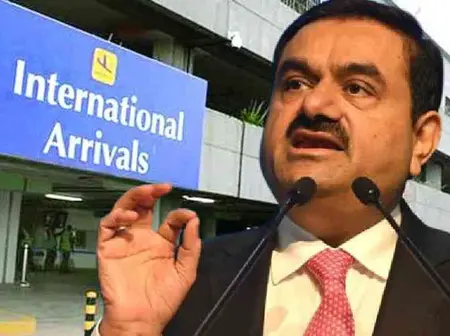
Ksh44 Billion to Walk Away? Inside the Quiet PPP Report Exposing Kenya’s Costly Adani Exit Mess
According to the Fifth Annual Report on the State of Public-Private Partnerships (PPPs) in Kenya for the 2025/2026 financial year, published by the PPP Directorate, the legal exit process between the Kenya Electricity Transmission Company (KETRACO) and Adani remained incomplete as of June 2026.
The report places the estimated termination liability for the two transmission-line projects at Sh43.943 billion—approximately Sh44 billion—a figure that surpasses the projects' estimated combined development cost of Sh41 billion.
The proposed 30-year concession covered the financing, construction, and operation of the 400kV Lessos–Loosuk and 220kV Kisumu (Kibos)–Kakamega–Musaga power lines, which had already reached commercial close prior to the November 2024 cancellation announcement.
Public finance and legal analysts warn that while a presidential directive halted implementation politically, complex international public-private partnership contracts remain legally binding until formal exit instruments, mutual settlements, or arbitral determinations are finalized.
Leaving termination procedures open-ended prolongs Kenya’s exposure to hefty contractual claims, accrued interest, and potential international arbitration penalties at a time when the National Treasury is already grappling with tight fiscal space and mounting debt-service obligations.
The revelation has reignited scrutiny over how large-scale infrastructure concessions are structured, vetted, and terminated without shifting disproportionate financial risk onto the public purse.
Economists note that even where public interest or governance concerns compel the state to cancel a project, swift and airtight legal closure is essential to prevent contingent liabilities from ballooning into actual budgetary shocks.
What are your thoughts about this articles? Share your reactions in the comment section and don't forget to share and follow for more updates.
https://www.standardmedia.co.ke/business/business/article/2001562819/how-stalled-exit-from-cancelled-adani-deal-exposes-kenya-to-high-claims
-
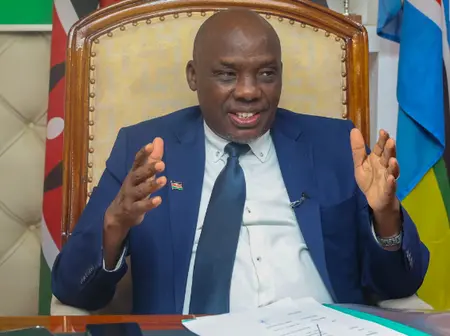
Sugar Sector Turnaround: State Settles Bulk of Inherited Cane Farmer and Worker Arrears
The announcement on Monday, November 23, 2026, marks a major milestone in the state’s broader restructuring of the sugar sub-sector, leaving a balance of Ksh400 million for which funds are being finalized to settle remaining verified claims.
According to the Ministry of Agriculture, the cleared liabilities represent legacy obligations inherited from formerly state-managed sugar mills—including Nzoia, Chemelil, Muhoroni, and Sony—prior to their leasing to private operators under long-term turnaround arrangements.
PS Ronoh emphasized that while the National Treasury stepped in to absorb historical arrears and write off Ksh117 billion in longstanding sector debt to give leased factories a clean slate, private millers must now operate strictly on commercial discipline and pay farmers promptly upon cane delivery.
He warned that the government will not tolerate a return to delayed farmer payouts or fresh debt accumulation that previously crippled cane production and triggered repeated strikes across Western Kenya and Nyanza.
The arrears clearance coincides with President William Ruto’s ongoing development tour of the sugar belt and the rollout of a Ksh1.2 billion bonus package for cane growers, alongside subsidized fertilizer and weekly payment directives aimed at boosting domestic output.
For sugarcane farmers and mill workers across the lake and western regions, enforcing timely payments and preventing new debt cycles will remain the ultimate test of whether the sector’s financial recovery can endure ahead of the August 10, 2027, General Election.
https://peopledaily.digital/business/govt-clears-ksh3-5b-of-ksh3-9b-sugar-arrears-as-ps-rono-warns-millers-against-fresh-debts
-

KRA Waives Ksh64.39 Billion Tax Penalties and Interest for Nearly 1 Million Kenyans
Nearly one million taxpayers have received billions of shillings in tax relief after the Kenya Revenue Authority (KRA) rolled out a major tax amnesty programme.In a media brief dated Monday, November 23, 2026, KRA announced that it had waived KSh64.39 billion in penalties, interest and fines for 984,489 taxpayers under the ongoing Tax Amnesty Programme.
-

The Tax Bill Is Only Half the Cost
A small business can calculate what it owes and still struggle to afford the process of proving it. That is the part of taxation easily lost in arguments about rates. There is the transfer to government, and there is the work required to classify transactions, maintain records, issue compliant invoices and correct mistakes.