Category: Economy&Finance

  • Ruto Tells Bamburi Cement to Give Kwale Residents Priority in New Factory Jobs

    Ruto Tells Bamburi Cement to Give Kwale Residents Priority in New Factory Jobs

    Speaking on Tuesday, November 24, Ruto said the investment should create opportunities for local workers, contractors, transport operators and suppliers rather than benefiting only the company.

    The President noted that construction of the facility would generate jobs for skilled and unskilled workers, including masons and welders, while its eventual operations would create additional careers and commercial opportunities.

    He specifically called on Bamburi Cement, which is owned by the Amsons Group, to work with local technical and vocational training institutions to equip young people with skills that could help them secure jobs at the facility.

    Ruto also asked the company to give businesses based in the county a fair chance to secure supply contracts and participate in the project's wider economic activities.

    He mentioned Matuga, Kinango, Msambweni and Lunga Lunga as some of the areas whose residents should benefit from the investment.

    According to the President, the project's impact should be assessed not only through the volume of cement and clinker produced but also through the number of people employed, businesses supported and skills developed.

    His remarks come as the government seeks to increase opportunities for young Kenyans entering the job market.

    On November 5, Ruto announced plans to expand the National Internship Programme from January 1, 2027, targeting 50,000 young people who will receive monthly stipends during their placement.

    He also revealed that the government intends to introduce incentives for private employers offering internship opportunities to graduates.

    The President called on businesses to support the initiative by providing practical training, mentorship and workplace experience to help young people prepare for employment.

    The planned Kwale cement plant is therefore expected to contribute to the government's broader employment agenda, with Ruto emphasising that local communities should have a direct stake in the investment.

    https://nairobileo.co.ke/news/article/31677/ruto-issues-directive-to-bamburi-cement-over-employment-of-kwale-residents


  • How investors can own ‘basket’ of NSE top dividend stocks

    How investors can own ‘basket’ of NSE top dividend stocks

    The Leo Dividend Exchange Traded Fund was approved for listing on the Nairobi Securities Exchange (NSE) last week by the Capital Markets Authority.

    The ETF will give investors exposure to 11-top dividend paying counters on the Nairobi bourse through a single instrument, tradeable in the same manner as shares.

  • More Jobs, More Industry, More Prosperity: Kenya’s Industrial Growth Agenda Takes Shape

    More Jobs, More Industry, More Prosperity: Kenya’s Industrial Growth Agenda Takes Shape

    The facility is expected to produce 5,000 tonnes of clinker daily, or about 1.6 million tonnes a year. Once operational, it will raise Bamburi’s total clinker capacity from one million to 2.6 million tonnes and lift overall cement production from 1.8 million to four million tonnes annually.

    Ruto framed the project as part of a wider effort to give investors stronger incentives across the country. The goal, he said, is straightforward: create jobs, make more of what Kenyans consume, keep more value inside the economy, and make sure every region benefits from national growth.

    Local production of clinker, the key ingredient in cement and a major cost driver, should cut the need for imports, save foreign exchange, and support related businesses. Construction alone is expected to generate work, while the finished plant will open skilled positions and create demand for transporters, suppliers and small traders in the surrounding area.

    The site already shows heavy machinery at work, with excavators moving earth under the bright coastal sun. For Kwale residents, the plant represents more than industrial statistics. It is a concrete signal that manufacturing investment is spreading beyond the usual centres and into the counties.

  • Hassan Joho Speaks After Joining President Ruto at Bamburi Cement Plant Groundbreaking

    Hassan Joho Speaks After Joining President Ruto at Bamburi Cement Plant Groundbreaking

    The CS noted that the investment would support efforts to maximise the use of locally available mineral resources through processing and value addition instead of relying heavily on imported raw materials.

    According to Joho, the project reflects a shift in Kenya's industrial approach, where the country seeks to move beyond extracting natural resources and focus on processing them locally to create more economic opportunities.

    He explained that strengthening local manufacturing capacity would help reduce dependence on imports while creating opportunities to increase exports and attract additional investments.

    Joho further observed that the development would contribute to employment creation, particularly by opening up opportunities for Kenyans within the mining, manufacturing and related industries.

    The Cabinet Secretary praised the government's direction under President Ruto, saying the focus on value addition would help position Kenya as a competitive manufacturing destination.

    Joho maintained that the future of Kenya's mining sector should focus on industrial growth, value addition and ensuring that communities benefit from the country's natural resources.

    https://www.facebook.com/100044372561791/posts/1785978846224517/?app=fbl

  • Govt Directs All Existing NGOs to Adopt New PBO Regulatory Framework

    Govt Directs All Existing NGOs to Adopt New PBO Regulatory Framework

    The Kenyan government has directed non governmental organisations (NGOs) registered under the repealed NGOs Co ordination Act of 1990 to transition to the Public Benefit Organisations (PBO) regulatory framework by May 14, 2027.

    The directive was issued by the Public Benefit Organisations Regulatory Authority (PBORA), which announced that its online transition portal is now operational, allowing affected organisations to update their registration records under the new framework.

    In a public notice shared by the Ministry of Interior on Tuesday, November 24, PBORA called on all affected organisations to begin the process without delay and ensure they complete it before the stipulated deadline.

    The notice, signed by PBORA Director and Chief Executive Officer Dr Laxmana P. Kiptoo, directs organisations to access the transition portal through the eCitizen platform at https://pbora.ecitizen.go.ke/.

    The authority clarified that the exercise does not require organisations to register afresh. Instead, existing NGOs are required to update their records and align their constitutions and governance documents with the Public Benefit Organisations Act, Cap 134.

    The transition applies to organisations registered under the repealed law before July 6, 2026. Organisations registered after July 5, 2026, are already registered as PBOs and are not required to undertake the transition exercise.

    Among the requirements, affected organisations must submit details of their institutions and governing bodies, alongside revised constitutions that comply with the PBO Act.

    They are also required to provide minutes containing resolutions approving their entry into the PBO register and amendments to their constitutions in line with the new legal framework.

    Other documents and information required include copies of their original NGO registration certificates, descriptions of their public benefit purposes and activities, details of their financial years and the counties in which they currently operate.

    Once the information has been submitted, PBORA will verify the details before issuing certificates bearing the organisations' PBO names and new registration numbers.

    However, the new certificates will retain the organisations' original registration dates and previous registration numbers under the repealed NGOs Co ordination Act.

    The opening of the transition portal follows the extension of the implementation period to May 14, 2027, after the PBO Regulations, 2026, were approved in April, allowing the authority to establish the necessary systems for the exercise.

    PBORA has also made a user guide available on its website to help organisations understand the application process and the documents required to complete the transition.

    https://www.tuko.co.ke/kenya/647792-govt-directs-ngos-transition-public-benefit-organisations-framework-sets-deadline/

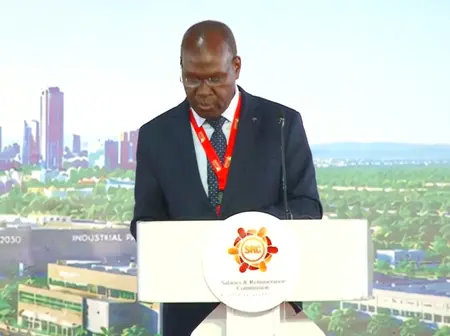
  • SRC Unveils Plan That Could Change How Kenyan Civil Servants Earn Their Salaries

    SRC Unveils Plan That Could Change How Kenyan Civil Servants Earn Their Salaries

    The commission wants government institutions to increasingly link employee rewards and recognition to productivity, marking a shift towards a public service where performance plays a greater role in determining how workers are recognised.

    In its Strategic Plan covering the 2025/2026 to 2029/2030 financial years, SRC has set a target of expanding productivity-linked reward programmes from the current 22 public institutions to 1,009 by the end of the implementation period.

    The proposal is part of a broader effort to improve service delivery, strengthen accountability and ensure public servants' contributions are properly recognised.

    SRC intends to introduce mechanisms that will allow government agencies to measure employee output and reward workers based on their performance.

    The commission also plans to strengthen institutional capacity in productivity measurement and promote national discussions on how performance can be improved across the public sector.

    Beyond performance-based incentives, the strategy proposes changes to existing government salary structures.

    SRC has identified historical differences in remuneration across public institutions as an issue requiring attention. It therefore wants to increase the proportion of harmonised public-service salary structures from 14 per cent to 44 per cent within five years.

    The commission also plans to raise compliance with its remuneration guidelines from 86 per cent to 95 per cent by 2030.

    Employee welfare is another priority under the proposed reforms.

    SRC hopes to increase public-sector employee satisfaction from 61.8 per cent to 85 per cent through better performance management, improved staff development and succession planning.

    On government expenditure, the commission intends to maintain or reduce the wage bill as a proportion of ordinary revenue to 35 per cent.

    The strategy, led by SRC under its chairperson Sammy Chepkwony, seeks to balance better employee rewards with the government's ability to sustain public-sector salaries.

    However, the proposed productivity-linked system does not automatically guarantee salary increases for all civil servants, as the commission's plan focuses on performance recognition, remuneration management and improved service delivery.

    https://peopledaily.digital/news/inside-srcs-plan-to-reward-high-performing-govt-employees

  • Ruto Announces Kenya’s First Oil Export from Turkana in December

    Ruto Announces Kenya’s First Oil Export from Turkana in December

    The export will come from the South Lokichar Basin, where commercial production is expected to begin on December 1, 2026. Ruto is expected to lead the flag-off of the first consignment on December 2, according to recent reports.

    Petroleum Principal Secretary Harsama Kello told the National Assembly Energy Committee that preparations were underway. He said a multi-agency team was arranging production and transportation.

    Kenya will initially move the crude by road from Turkana to Mombasa because there is no pipeline connecting the oilfields to the coastal export facilities. The oil will then be prepared for shipment to international markets.

    The first phase is expected to produce about 20,000 barrels per day. Gulf Energy is developing the project after taking over the South Lokichar oilfields from earlier partners.

    Oil was discovered in Turkana in 2012, but commercial production faced years of delays as the government and investors worked through financing, approvals and infrastructure plans.

    The planned export has renewed attention on the benefits local communities expect. Residents have called for jobs, fair compensation for affected land and investment in roads and other services.

    The Kenya News Agency reported that 600 trucks are expected to transport the crude, with 400 slots reserved for transporters from local communities. Production is scheduled to start at the Amosing well site.

    Kenya's entry into the oil market could provide another source of export earnings. However, the economic benefits will depend on production levels, global prices, transport costs and how revenue is managed.

    The December exercise will be closely watched as Kenya moves from oil discovery towards commercial exports. It could create work for local transport businesses nearby.

  • Ruto Reveals Major Announcement on Kenya’s First Crude Oil Shipment from Turkana

    Ruto Reveals Major Announcement on Kenya’s First Crude Oil Shipment from Turkana

    Speaking during a public address, Ruto said the government expects the first trucks carrying crude oil from the Turkana oil fields to begin shipping out next month.

    "Next month on 2nd December, we will be shipping out our first trucks of crude oil from Turkana," Ruto stated.

    The announcement comes as Kenya continues efforts to advance its long-awaited oil production plans in the South Lokichar Basin in Turkana County.

    The planned shipment is expected to mark an important step in the country's journey towards commercialising its oil resources after years of exploration, planning and development.

    Kenya has been working to establish the infrastructure and arrangements required to transport crude oil from the northern region to other destinations.

    The announcement is likely to draw attention from investors, industry stakeholders and residents of Turkana, who have followed the country's oil exploration programme for years.

    However, the actual commencement of shipments and the scale of the initial transportation will be important factors in determining the next phase of the project.

    The December 2 date now places Kenya's crude oil transportation plans in the spotlight as the country looks to advance its petroleum sector.

  • Wamatangi Reaches Over 9,000 Farmers With Free Seeds, Fertilizer and Avocado Seedlings

    Wamatangi Reaches Over 9,000 Farmers With Free Seeds, Fertilizer and Avocado Seedlings

    The exercise brought relief to farmers facing the challenge of securing quality inputs as they prepare for planting and work to improve food production. The distribution included free certified maize and bean seeds, fertilizer and avocado seedlings.

    For many households, access to these supplies could make an important difference. Quality seeds offer farmers an opportunity to establish healthier crops, while fertilizer can support better growth when used properly. Avocado seedlings also give farmers another option to diversify their farms and potentially earn income beyond food crops.

    The programme reached more than 9,000 farmers, making it a significant intervention for agricultural communities in Kinale and Lari. It also renewed attention on the role county governments can play in supporting farmers through access to essential agricultural resources.

    Farmers often face pressure from input costs, unpredictable weather and the need to produce enough food for their families and the market. Such challenges make timely support necessary, although the long-term impact will depend on how the supplies are used and the conditions farmers face during the growing season.

    The distribution exercise is likely to draw attention from residents who want practical support to reach more farming areas across Kiambu County. Many people were left talking about the scale of the exercise, while the incident sparked reactions online. Supporters appeared divided on what should come next, with some focusing on the need for continued agricultural assistance.

    What happened next surprised many as attention shifted to the farmers expected to put the supplies to use.

    Do you think this kind of support can improve food production and farmers’ livelihoods in Kiambu County? Share your views in the comments.

  • After a Two-Year Delay, Can the Treasury Finally Deliver on Hustler Fund Pensions?

    After a Two-Year Delay, Can the Treasury Finally Deliver on Hustler Fund Pensions?

    According to a report published by Business Daily on Tuesday, November 24, 2026, the agreement is expected to resolve a two-year administrative dispute that prevented billions of shillings deducted from Hustler Fund loans from reaching the institution designated to manage the pension component.

    The breakthrough followed a meeting chaired by Mbadi involving the National Treasury and the Ministry of Micro, Small and Medium Enterprises Development. Treasury Principal Secretary Chris Kiptoo told the National Assembly's Departmental Committee on Finance and National Planning that officials had agreed on measures to facilitate the transfer.

    The disagreement had centred on the legal arrangements governing the movement of money from the Financial Inclusion Fund, which administers the Hustler Fund, to the Kenya National Entrepreneurs Savings Trust (KNEST).

    Kiptoo told MPs that the officials had received guidance on how to address the legal interpretation that had delayed the process.

    One of the agreed measures involves appointing the chief executive of the Financial Inclusion Fund and the Principal Secretary responsible for MSME development to the KNEST board. Officials are also working towards transferring the accumulated savings.

    KNEST's outgoing chief executive, Rose Kwena, confirmed that the trust's custody account was already open and ready to receive the money. She said officials were completing the reconciliation of records and integration of the relevant systems before the funds could be transferred.

    The delay had previously affected the government's plans to launch an expanded national pension programme. President William Ruto's planned launch on November 13 was postponed because the money had not reached KNEST.

    Under the Hustler Fund savings arrangement introduced in November 2023, borrowers contribute five per cent of their loan amounts towards savings. Of that deduction, 30 per cent goes into short-term savings, while 70 per cent is allocated to long-term retirement savings.

    The arrangement was designed to help informal-sector workers build financial security beyond their working years.

    However, the scale of the delay became apparent in the Treasury's budget performance report for the financial year ending June 2026. The voluntary pension programme mobilised only Sh14.06 million against a target of Sh3.6 billion.

    According to Business Daily, the latest agreement provides a way forward, although the actual transfer still depends on completing the outstanding administrative and technical work.

    For ordinary Hustler Fund borrowers, the development raises fresh expectations about the future management of their retirement contributions. But will the government now ensure that the money is transferred and properly accounted for?