Category: Economy&Finance

  • Kenya Extends Higher Fuel Sulphur Limits as Lee Kinyanjui Explains Why

    Kenya Extends Higher Fuel Sulphur Limits as Lee Kinyanjui Explains Why

    Kenyan motorists are facing another six months under adjusted fuel-quality rules after the government extended the sulphur limit for petrol and diesel. Trade Cabinet Secretary Lee Kinyanjui says the decision is meant to protect the country from possible supply disruptions.

    The extension allows imported petrol and diesel to contain up to 50 milligrams of sulphur per kilogram. It applies to the relevant East African standards for automotive gasoline and automotive gas oil.

    According to the Ministry of Investments, Trade and Industry, the decision followed a request from the Ministry of Energy and Petroleum. The National Standards Council also recommended extending the temporary arrangement after a technical assessment.

    Kinyanjui attributed the move to continued uncertainty in the Middle East and disruptions affecting international petroleum supply chains. The ministry specifically pointed to risks around the Strait of Hormuz, an important route for global oil shipments.

    Officials argue that allowing a wider range of fuel sources will help Kenya maintain supplies. They say the measure is temporary and will be reviewed after six months, or earlier if international conditions improve.

    However, the extension also puts fuel quality and environmental concerns back in focus. Sulphur in fuel contributes to sulphur dioxide emissions when burned. The pollutant is associated with air pollution and health risks.

    The announcement does not mean every litre sold at Kenyan stations contains the maximum permitted sulphur level. It sets an upper limit under the temporary adjustment, rather than describing the actual sulphur content of every consignment.

    For ordinary households, reliable fuel supplies matter because transport costs affect fares, food distribution and the prices of many goods. But consumers may also want clear information about how fuel quality will be monitored during the extended period.

    The government has presented the decision as a safeguard against shortages, not a permanent change to fuel standards. The six-month review will therefore be important in determining whether the temporary limit remains necessary.

    With supply security on one side and air-quality concerns on the other, do you think extending the sulphur limit is a reasonable temporary step for Kenya, or should authorities prioritise stricter fuel standards?

  • Kenya Unveils Sh760 Million Strategy to Improve Food Safety

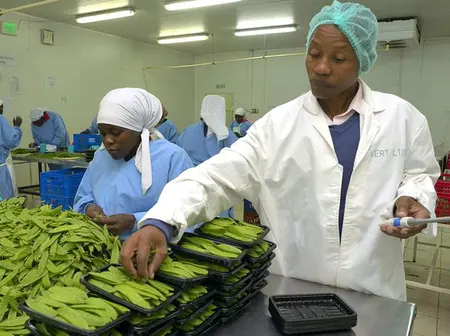
    Kenya Unveils Sh760 Million Strategy to Improve Food Safety

    The National Codex Strategic Plan 2026-2031 was launched in Nairobi on Wednesday, 11 November, by the Kenya Bureau of Standards (KEBS).

    According to the Kenya News Agency, the framework aims to address emerging food safety risks while strengthening the country's capacity to develop and implement internationally recognised food standards.

    KEBS Director General Esther Ngari said the strategy would promote scientific research, improve coordination among regulatory institutions and help ensure Kenyan food products meet international requirements.

    The plan focuses on three key areas: developing science-based food standards, strengthening the National Codex Committee and integrating sustainable practices into food safety policies.

    Its targets include training at least 160 food safety experts by 2031 and conducting seven or more commodity-based risk assessments from 2027.

    The initiative comes amid concerns about food contamination, particularly aflatoxins in cereals and nuts. These naturally occurring toxins can cause serious health problems when contaminated food is consumed.

    Officials also reported that Kenya had submitted 58,000 aflatoxin data points from cereals and cereal-based foods to the joint FAO/WHO Expert Committee on Food Additives to support international risk assessments.

    Implementation will require cooperation between national and county governments, research institutions, food producers and regulatory agencies.

    Ultimately, the strategy's success will depend on effective funding, stronger enforcement and improved food inspection systems. For consumers, the expected outcome is safer food and greater confidence in the products available in Kenyan markets.

    Sources

    Kenya News Agency _ Sh760 million food safety strategy

    Kenya Bureau of Standards

    FAO/WHO Codex Alimentarius

  • Kenya Power Announces Planned Electricity Interruption in Parts of Eastleigh on Thursday

    Kenya Power Announces Planned Electricity Interruption in Parts of Eastleigh on Thursday

    Kenya Power has announced a planned electricity interruption in parts of Eastleigh, Nairobi, on Thursday, November 12, 2026, to facilitate maintenance work.

    According to the utility company’s notice, the interruption will run from 9:00 a.m. to 5:00 p.m., affecting several roads, residential estates and institutions in the area.

    The affected areas include:

    Kenya Power advised customers in the listed areas to plan accordingly as electricity supply will remain interrupted during the scheduled maintenance period.

  • ENA Coach Announces December Fares for Nairobi and Mombasa Routes

    ENA Coach Announces December Fares for Nairobi and Mombasa Routes

    The transport company has listed fares ranging from KSh 1,700 to KSh 1,800 for several routes connecting different towns to Nairobi. Passengers travelling to Mombasa through the listed routes will pay KSh 3,000.

    ENA Coach December Fares to Nairobi

    According to the published fare schedule, passengers travelling from Port Victoria through Funyula and Bumala to Nairobi will pay KSh 1,800.

    The same fare applies to passengers travelling from Busia through Nambale, Kakamega and Kapsabet to Nairobi. Those using the Busia-Kisumu-Nairobi route will also pay KSh 1,800.

    Other routes attracting the KSh 1,800 fare include Nairobi-Oyugis-Kendu Bay, Nyadorera-Siaya-Nakuru-Nairobi, Usenge-Bondo-Kericho-Nairobi and Luanda-Kotieno-Ndori-Awasi-Nairobi.

    Passengers travelling through Kisumu-Ahero-Nairobi and Mbale-Majengo-Kisumu-Nairobi will also pay KSh 1,800.

    Meanwhile, some routes have been listed at KSh 1,700.

    These include Kendu Bay-Sondu-Kadongo-Nyamira-Nairobi, Oyugis-Kisii-Nairobi, Mbita-Homa Bay-Kisii-Nairobi and Sori-Ndhiwa-Rodi-Rangwe-Nairobi.

    The same fare applies to passengers travelling through Sirare-Migori-Bomet-Nairobi and Kehancha-Awendo-Narok-Nairobi.

    ENA Coach December Fares to Mombasa

    For passengers planning to travel to Mombasa, ENA Coach has maintained a listed fare of KSh 3,000 across six routes.

    They include Sori-Rongo-Mombasa, Mbita-Kisii-Mombasa and Kendu Bay-Oyugis-Bomet-Mombasa.

    Other routes are Kehancha-Kisii-Sotik-Narok-Mombasa, Busia-Maseno-Kisumu-Mombasa and Port Victoria-Siaya-Bondo-Ahero-Mombasa.

    Important Information for December Travellers

    The announcement comes as many Kenyans prepare to travel to their rural homes and other destinations during the Christmas and New Year holidays.

    The festive season usually brings increased demand for public transport as families, workers and students make arrangements to travel across the country.

    However, ENA Coach described the published prices as the December rates available at the time of the announcement. This means passengers should not assume that the fares cannot change.

    Travellers are therefore advised to confirm the latest ticket prices, departure schedules and seat availability with the company before making payments.

    The announcement gives passengers an opportunity to estimate their transport expenses early and organise their December journeys before the holiday travel rush intensifies.

  • Ruto’s PS Dr Raymond Omollo Showcases Progress of Sh1 Billion Maji Mazuri Market Project in Kasarani

    Ruto’s PS Dr Raymond Omollo Showcases Progress of Sh1 Billion Maji Mazuri Market Project in Kasarani

    Principal Secretary for Internal Security and National Administration Dr Raymond Omollo has showcased the progress of the Maji Mazuri Modern Market in Kasarani Constituency, Nairobi County, as the government advances efforts to improve trading conditions for small-scale business owners.

    The project, constructed on 8.4 acres of public land, is expected to provide a modern business environment for thousands of traders while expanding economic opportunities within the area.

    According to details shared by Dr Omollo, construction has made considerable progress, with major structural works, plastering and floor tiling already completed. The three-block complex, featuring four storeys, is now undergoing final finishing works ahead of its anticipated commissioning.

    Once operational, the facility will accommodate between 1,200 and 1,500 permanent traders daily, with the capacity to serve nearly 3,000 business operators during peak market days.

    The development is expected to ease the challenges faced by traders who previously travelled to Githurai in search of suitable business spaces or relied on temporary roadside stalls to sell their merchandise.

    The modern facility will feature multi-level retail spaces, secure storage facilities, market shades, internal access roads, ample parking and improved sanitation services.

    Beyond providing additional trading space, the market is expected to promote organised commercial activities and create a safer environment for traders, customers and neighbouring residents.

    Dr Omollo's update places the investment within the government's Bottom-Up Economic Transformation Agenda (BETA), which seeks to strengthen Micro, Small and Medium Enterprises by improving their access to essential infrastructure and economic opportunities.

    The development also reflects the Usawa ni Sawa commitment, which promotes fairness, dignity and better working conditions for Kenyans pursuing their livelihoods.

    Link;

    https://www.facebook.com/share/1Q1sKc5uUW/

  • 6 More Months” Government Extends Fuel Rule to Protect Motorists

    6 More Months” Government Extends Fuel Rule to Protect Motorists

    Trade Cabinet Secretary Lee Kinyanjui has officially extended the 50mg sulphur limit for imported petrol and diesel by another six months, giving energy stakeholders and local motorists temporary relief amid volatile global oil markets.

    Announced on Wednesday, November 11, 2026, the directive comes after a comprehensive technical assessment highlighted ongoing uncertainties affecting global petroleum supply chains.

    The decision ensures that Kenya avoids potential supply shortages or abrupt price hikes at the pump, maintaining stability in the domestic fuel market while international suppliers adjust to changing regulations.

    ​By extending the current standard, the Ministry of Investments, Trade, and Industry aims to protect local consumers from sudden cost spikes that could trigger inflationary pressures across transport and manufacturing sectors.

    CS Kinyanjui noted that while the long-term goal remains transitioning toward cleaner, low-sulphur fuel standards for environmental and health benefits, balancing supply continuity with affordability must remain a top priority.

    Energy distributors and oil marketing companies now have additional room to adjust their logistics without risking nationwide stockouts.

    ​The extension has been welcomed by transport operators and business groups, who praised the government for taking a practical, market-grounded approach during uncertain economic times.

    Regulatory bodies will continue monitoring international supply chains and local reserve levels over the next six months to ensure smooth compliance before the new deadline.

    ​For official road safety guidelines, transport regulations, and vehicle compliance notices, citizens can visit the National Transport and Safety Authority portal.

    ​With the six-month extension now in force, motorists can breathe a sigh of relief as fuel flow across the country remains steady and secure.

    Source

    Link.

    https://www.facebook.com/share/p/1Ej22SJ5Uo/

  • Nyanza to Host 3-Day Digital Summit in December [Details]

    Nyanza to Host 3-Day Digital Summit in December [Details]

    thumbnail

    SummitNyanza region is set to host a three-day digital summit in December 2026 as the government seeks to position the region as a hub for digital innovation.Nyanza region is set to host a three-day digital summit in December 2026 as the government seeks to position the region as a hub for digital innovation, investment and technological development.

  • Co-op Bank’s Q3 profit rises 19.6pc to Sh35.9 billion, declares higher interim dividend

    Co-op Bank’s Q3 profit rises 19.6pc to Sh35.9 billion, declares higher interim dividend

    thumbnail

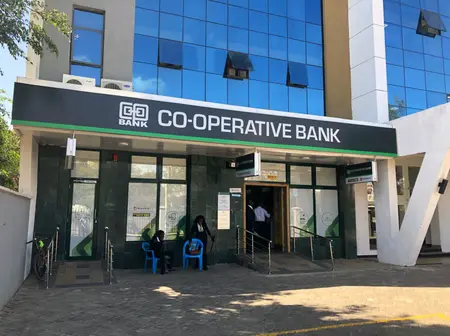
    Co-operative Bank of Kenya reported a 19.6 per cent growth in profit before tax to Sh35.9 billion for the nine months ended September 30, 2026, up from Sh30 billion recorded during a similar period last year.The lender’s profit after tax increased by 27.2 per cent to Sh27.4 billion from Sh21.6 billion, reflecting improved earnings driven by growth in lending, increased customer deposits and stronger contributions from its subsidiaries.

  • Kenyan Tea Set to Return to Sudan as 20-Month Trade Ban Lifted

    Kenyan Tea Set to Return to Sudan as 20-Month Trade Ban Lifted

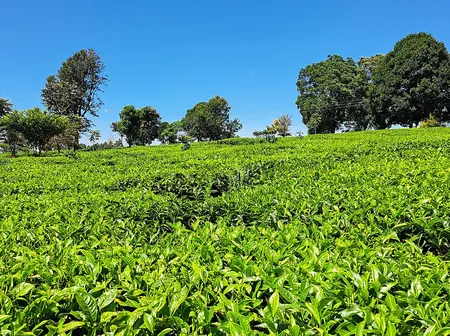
    Rows of tea bushes growing on a farm in Kenya

    Kenyan tea exporters are set to regain access to the Sudanese market after Sudan lifted a trade ban in place for 20 months, according to a report published on 12 November 2026.

    The restrictions had disrupted shipments and left billions of shillings worth of tea stranded, closing off one of Kenya’s key regional buyers.

    Sudan imposed the ban in March 2025, following diplomatic tensions after Kenya hosted the paramilitary RSF leader Mohammed Hamdan Dagalo and other Sudanese political groups in Nairobi.

    The reopening followed diplomatic engagements between President William Ruto and Sudanese Prime Minister Camille Idris on the sidelines of a COMESA Summit. The date and location of that summit were not specified.

    The impact on Kenya’s tea trade was significant. In 2023, Kenya exported 15.9 million kilogrammes of tea to Sudan, worth Ksh3.8 billion. By 2025, volumes had dropped to 6.8 million kilogrammes valued at Ksh1.5 billion.

    As of August 2026, more than 3.4 million kilogrammes of Kenyan tea, valued at over Ksh1.34 billion, remained in warehouses in Mombasa. The stocks proved difficult to redirect to other international markets.

    The ban also drew political attention. On Thursday, 6 August 2026, Wiper Party leader Kalonzo Musyoka visited the Embassy of the Republic of Sudan in Nairobi to present Kenya’s plea for the ban to be lifted. He warned of heavy losses, saying the ban had dealt a severe blow to Kenya’s tea industry.

    Musyoka said the products could not easily be redirected, resulting in mounting losses, lower auction prices and reduced earnings for farmers. He stated that restoring access to the Sudanese market would protect livelihoods, support farmers and preserve economic ties.

    The exact date the ban was lifted has not been specified. The government has not issued a statement on the development, and it remains unclear when shipments will resume.

  • Senator challenges KRA over proposed tax exemptions for persons with disabilities

    Senator challenges KRA over proposed tax exemptions for persons with disabilities

    Nominated Senator Crystal Asige

    Nominated Senator Crystal Asige has raised objections to several provisions within the draft Income Tax (Persons with Disabilities, Parents or Guardians Tax Exemptions) Regulations, 2026, concerning tax relief for individuals with disabilities in Kenya.

    The Senator focused her concerns on the structure of the proposed exemptions, specifically Regulation 10(2), which introduces varying levels of tax relief based on disability severity. Asige argued that this segmented approach could inadvertently create financial disadvantages for individuals classified with milder disabilities.

    Furthermore, she contested the introduction of a proposed Ksh1,000 processing fee for parents or guardians applying for tax exemptions for caring for persons with severe disabilities. This fee was questioned by the Nominated Senator on grounds that it appears to conflict with the stipulations of the Persons with Disabilities Act, 2025, which she contends repealed such assessment charges.

    The draft regulations also propose a mandatory reassessment for persons with permanent disabilities every five years. Asige countered this requirement by asserting that permanent conditions imply permanence, suggesting the five-year cycle is unsuitable for those with long-term physical impairments.

    KRA stated that the proposed regulations aim to formalise procedures for implementing tax exemptions already mandated under the Persons with Disabilities Act, 2025. These rules currently outline a provision for a tax exemption for one parent or guardian caring for a child with a certified severe disability who is unable to meet basic needs. However, Asige raised concerns about the proposal’s inability to accommodate families where both parents share caregiving responsibilities or those raising multiple children with disabilities.

    The Kenya Revenue Authority has opened a period for public and stakeholder feedback on these draft rules, setting the submission deadline for November 24, 2026. Following the review, Nominated Senator Asige indicated her intention to submit formal interventions challenging any provisions she deems inconsistent with the constitutional rights of persons with disabilities.