
A foreign customer places an order, and the founder celebrates entering a new market. The parcel then encounters duties, documentation, delivery delays, and a buyer who did not know an extra charge was coming.Cross-border e-commerce expands the addressable market while adding layers of execution.
Category: Economy&Finance
-

The Brilliant Hire Who Makes Everyone Else Slower
A technically excellent employee can still damage a small company by refusing feedback, escalating ordinary disagreements, or withholding information. In a ten-person team, one difficult relationship occupies a large share of the organization.Emotional intelligence and communication are not pleasant extras to be considered after the real work.
-

The Cofounder Agreement Matters Most While Everyone Still Gets Along
At the beginning, agreement feels unnecessary. The founders share enthusiasm, divide tasks informally, and promise to discuss difficult questions later. Later often arrives when the company has less money and considerably more resentment.Conflict can concern effort, compensation, strategy, risk appetite, or personal circumstances.
-

The Next Good Business May Be Three Streets Away
The neighbourhood has unreliable cold storage, shops that run out of packaging, and households waiting for repairs. None of these problems sounds particularly global. Each may contain a customer willing to pay before the founder finishes designing a logo.Hyper-local innovation starts with concentrated, observable demand.
-

The Funding Gap Is Also a Measurement Failure
A lender cannot fix a pattern it does not measure. If applications, approvals, loan sizes, and terms are not examined by gender with appropriate safeguards, a funding institution can proclaim inclusion while remaining unable to describe its own decisions.The OECD and Global Women’s Entrepreneurship Policy Research Project’s 2025 review finds that financing gaps reflect supply-side and demand-side conditions as well as differences in the size and sectors of women-owned businesses.
-
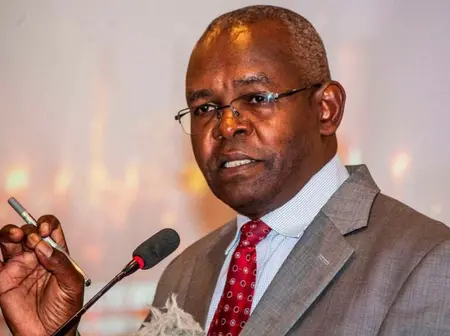
Kenya opens licensing for crypto firms as VASP rules take effect
Crypto exchanges, wallet providers and other virtual asset businesses operating in Kenya must now apply for a licence, after the Central Bank of Kenya (CBK) and the Capital Markets Authority (CMA) confirmed the Virtual Asset Service Providers (VASP) Regulations, 2026 have been gazetted.
In a joint public notice dated 13 November, the two regulators said the regulations were gazetted on 22 July 2026 by the Cabinet Secretary for the National Treasury, in Kenya Gazette Supplement No. 185 under Legal Notice No. 134.
The regulations put the VASP Act, 2025 into operation, giving Kenya its first comprehensive framework for licensing and supervising virtual asset service providers.
“Accordingly, any person(s) providing or intending to provide virtual asset services are required to apply for a licence from the relevant regulatory authority pursuant to the Act,” the regulators said.
The Act names the CBK and the CMA as the regulatory authorities for the sector, with each licensing providers according to the services listed in the First Schedule to the Act. Detailed licensing checklists are available on both regulators’ websites, and each will publish a list of licensed providers.
Operating without a licence now carries significant penalties.
“Companies could attract penalties of up to KES25 million while individuals could be fined up to KES10 million, jailed for up to five years or both for contravening section 8(3) as provided in section 40(3),” said Dmitri Mihhailov, General Partner at Prifinance.
“Note that since 4 November 2026, when the section 47 window ended, it would constitute an offence for a person or company to operate a crypto business in Kenya without the requisite licence.”
Dmitri added that section 8(2) of the Act also makes it an offence to hold oneself out as operating a crypto business in Kenya.
“Watch out if you’re the face or front of a crypto business or platform, even where you’re not handling client funds,” Dmitri said.
“Payment solution providers looking to integrate crypto businesses into their services should check the Kenya Gazette, as all licences granted are required to be published in the Kenya Gazette within 30 days of being granted.”
The VASP Act, 2025 was gazetted on 21 October 2025 and came into force on 4 November 2025. The Treasury then developed the regulations needed to make it work, on the advice of the CBK and the CMA.
The rules arrive at a sensitive moment for the crypto industry. Last month, Binance, one of the most widely used exchanges among Kenyan crypto users, suspended withdrawals for about two days after a US$6.3 billion hack, the largest crypto theft on record.
-
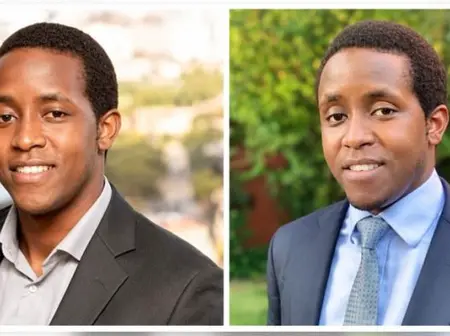
Kenyan Graduate Earning KSh4.3 Million Monthly at Goldman Sachs
Richard Waitumbi has built an impressive investment career in the United States, rising from a Kenyan schoolboy to managing director at Goldman Sachs Asset Management in New York.
Waitumbi attended Greensteds International School near Nakuru, where he served as head boy during the 2008–2009 academic year.
His journey to the United States was made possible by a scholarship to Dartmouth College, an Ivy League university in New Hampshire. He graduated in 2013 with degrees in Engineering Sciences and Chemical Engineering, earning the magna cum laude academic distinction.
He later changed his career direction after developing an interest in investments and private equity. He worked at Bain and Company before joining New Mountain Capital in 2016 as an investment associate.
Waitumbi subsequently enrolled at Harvard Business School, where he graduated as a George F. Baker Scholar, an honour reserved for students in the top five per cent of the graduating MBA class. He also won the 2019 Harvard Business School Investment Strategies Competition, receiving a $10,000 prize.
In 2024, he joined Goldman Sachs, where he now oversees investments in education and workforce development.
According to a 2025 Wall Street Journal report, Goldman Sachs managing directors typically earn base salaries of approximately $400,000 annually, equivalent to about KSh4.3 million monthly before taxes. Performance bonuses can further increase their earnings.
https://whownskenya.com/richard-waitumbi-meet-35-year-old-kenyan-earning-ksh-4-million-salary-as-goldman-sachs-managing-director/#google_vignette
-

How Taxi Request Transformed Her Family’s Fortunes and Brought Her Business Unexpected Publicity
A Nairobi woman has shared how an unexpected taxi request from activist Boniface Mwangi became a turning point in her life, bringing her business publicity and helping her support her family.
Millie Bundi recalled the encounter in a Facebook post, explaining that she was juggling several responsibilities when she received the request to drive a passenger to Jomo Kenyatta International Airport (JKIA).
At the time, Millie had recently obtained a taxi driver's permit and was using ride-hailing services to supplement her income.
Her daily routine was demanding. She would wake up as early as 5am to pick up passengers, attend her regular office job and later go for evening classes at Daystar University.
She also operated small businesses selling second-hand clothes and cereals from her car boot.
The Unexpected Request That Changed Her Evening
On the evening in question, Millie was exhausted after a long day and only wanted to return home.
However, as she drove away from campus, she experienced what she described as a strong spiritual nudge to switch on her taxi app.
She initially resisted but eventually pulled over and activated Taxify, where she received a ride request almost immediately.
When the passenger called, Truecaller displayed the name Boniface Mwangi. However, Millie said she was too tired to appreciate who was requesting the ride.
She waited for more than 30 minutes before he called to assure her that he would compensate her for the delay.
Millie was also hesitant because the destination was the airport, traffic was heavy and her car boot was already filled with cereals and second-hand clothes.
When Mwangi arrived carrying several large bags, they had to rearrange the luggage, placing some in the boot and others on the back seat.
Boniface Mwangi Shares Her Story Online
During the journey, the two struck up a conversation about her demanding schedule, politics and the economy.
Millie recalled that Mwangi was surprised to learn that she had driven passengers, attended work and gone to university before accepting his request.
Upon reaching the airport, Mwangi reportedly asked security officers not to harass her, paid the parking fees and gave her three times the agreed fare.
He also requested a photograph with her before leaving.
Millie said she only realised the identity of her passenger after calling a friend following the trip.
Mwangi later shared their photograph and experience on social media, attracting attention to Millie's story.
Unexpected Benefits for Her Businesses
The post brought her unexpected publicity, with television, radio and newspaper outlets reaching out to feature her experience.
She said the attention also increased activity in her small businesses, giving her more opportunities to earn.
One of the most meaningful outcomes was that proceeds from her second-hand clothing business eventually helped pay her sister's college fees.
Looking back, Millie said the encounter reminded her that an opportunity can arise when least expected, even on a day when exhaustion makes someone want to give up and go home.
https://www.tuko.co.ke/people/family/540928-nairobi-woman-recalls-night-boniface-mwangis-taxi-request-jkia-changed-life/
-

10 Important Money Habits That Can Help You Accumulate Wealth Over Time
Many people dream of becoming wealthy, buying their own homes, starting successful businesses and living without constantly worrying about money. However, building wealth is not always about earning a huge salary or coming from a rich family. Sometimes, the difference between someone who struggles financially and someone who gradually becomes wealthy comes down to the way they handle the money they receive.
You may earn KSh 20,000 a month while another person earns KSh 100,000. Surprisingly, the person earning less might eventually build more wealth if they develop better financial habits.
The truth is that wealth does not usually appear overnight. It grows through small financial decisions that are repeated consistently. What you do with your money today can have a significant impact on your financial position several years from now.
Here are ten important money habits that can help you accumulate wealth over time.
One of the most important principles of building wealth is learning to live below your income.
It sounds simple, but many people struggle with it. Whenever their salaries increase, their expenses also increase. Someone who previously survived on KSh 20,000 may start spending KSh 35,000 after their salary rises to KSh 40,000.
This creates a situation where earning more money does not necessarily improve their financial position.
Instead of increasing your lifestyle every time you receive additional income, consider maintaining your current spending habits and directing the extra money towards savings or investments.
For example, if you earn KSh 30,000 monthly, you could aim to save KSh 3,000 to KSh 5,000, depending on your responsibilities.
The amount might appear small, but consistency makes a difference.
Many people receive their salaries and immediately begin paying rent, shopping, clearing debts and supporting relatives. By the time they finish, there is almost nothing left.
A better approach is to save a portion of your income immediately after receiving it.
Think of savings as one of your essential monthly expenses.
For instance, if you receive KSh 40,000, you could transfer KSh 4,000 into a separate savings account before spending the remaining amount.
This habit helps you avoid the common mistake of saving whatever remains at the end of the month.
Sometimes, nothing remains.
Paying yourself first ensures that you are consistently building something for your future.
One financial mistake that quietly destroys wealth is spending money to maintain an image.
Some people purchase expensive phones, clothes, shoes and vehicles simply because they want others to believe they are financially successful.
Unfortunately, looking wealthy and being wealthy are two different things.
Someone driving an expensive vehicle might be struggling with loan repayments, while another person using an ordinary phone might own profitable investments and have substantial savings.
Before purchasing something expensive, ask yourself whether you genuinely need it or whether you are simply trying to impress people.
There is nothing wrong with enjoying your money. However, your desire to impress others should not prevent you from achieving financial independence.
Saving money is important, but investing can help your wealth grow over time.
Money kept in an ordinary savings account may lose purchasing power when inflation increases. Investments, depending on their performance and risks, can provide opportunities for growth.
There are several investment options worth learning about, including:
You do not need millions of shillings to begin learning about investments.
For example, someone who consistently invests KSh 2,000 every month is developing a habit that can become increasingly valuable as their income grows.
However, remember that investments carry different levels of risk. Understand an investment before committing your money, and avoid opportunities promising guaranteed extraordinary returns.
Borrowing money can sometimes help someone grow financially, especially when the money is used for a productive business or investment.
However, borrowing to finance unnecessary lifestyles can create serious financial problems.
Imagine borrowing KSh 15,000 to purchase an expensive phone when your current phone is still working perfectly.
You now have an additional financial obligation without creating anything that generates income.
Before taking any loan, consider three questions:
Be particularly careful with mobile loans that carry high interest rates and additional fees.
The goal should be to use borrowing wisely rather than allowing debt to control your income.
Depending entirely on one source of income can make financial progress difficult.
If your salary stops, your entire financial situation may be affected.
This is why developing additional income streams can be an important part of building wealth.
For example, someone employed as a teacher might also operate a poultry business, write articles online, sell agricultural products or invest in a small enterprise.
The advantage is that additional income can provide money for savings and investments without necessarily interfering with the primary source of income.
However, do not rush into every business opportunity you encounter.
Start with something you understand, calculate the costs and potential profits, and grow gradually.
A small business generating KSh 5,000 in monthly profit can become a meaningful additional income source when managed properly.
You cannot manage your finances effectively if you do not understand where your money goes.
Many people complain about having insufficient income, yet they cannot clearly explain how they spend their salaries.
Small expenses can accumulate into surprisingly large amounts.
For example:
This does not mean you should stop enjoying life.
Instead, develop the habit of recording your expenses.
You can use a notebook, spreadsheet or mobile application.
At the end of every month, review your spending and identify areas where you can make improvements.
Sometimes, wealth accumulation begins by discovering where your money has been disappearing.
Unexpected situations can destroy years of financial progress.
You might suddenly become sick, lose your job, experience business losses or need urgent repairs at home.
Without emergency savings, you may be forced to borrow money or sell valuable assets.
An emergency fund provides financial protection against such situations.
Start by setting aside a small amount every month.
Your first target could be KSh 10,000. After achieving that, gradually work towards saving enough to cover three to six months of essential living expenses.
Keep this money somewhere safe and accessible, separate from your everyday spending money.
An emergency fund is not primarily designed to make you rich. It helps prevent unexpected problems from making you financially unstable.
One of the most valuable investments you can make is investing in yourself.
Your education, professional skills and ability to solve problems can influence how much money you earn throughout your life.
Consider learning skills that have opportunities in the modern economy.
These might include:
You do not always need expensive courses to acquire useful knowledge. There are free educational resources available online.
The important thing is to learn skills that you can eventually use to generate income.
Sometimes, improving your ability to earn money can produce greater long-term financial benefits than simply trying to reduce your expenses.
One reason people lose money is their desire to become wealthy within a very short period.
They jump into questionable investment schemes, gambling, unverified online opportunities and businesses they barely understand.
Unfortunately, the promise of making KSh 100,000 from an investment of KSh 5,000 within a few weeks can be difficult to resist.
However, genuine wealth creation usually requires patience, discipline and informed decisions.
Instead of looking for shortcuts, establish financial goals.
You might decide that within five years, you want to own a profitable business, accumulate KSh 300,000 in investments or purchase a piece of land.
Break these ambitions into smaller monthly targets.
Progress may initially appear slow, but consistent action can produce meaningful results.
Becoming wealthy is not necessarily about how much money you receive every month. It is also about how much you retain, how wisely you invest and how effectively you use your resources.
Someone earning KSh 25,000 who saves and invests consistently may gradually build a stronger financial foundation than someone earning KSh 100,000 but spending everything.
You do not need to introduce all ten habits into your life tomorrow.
Start with three: spend less than you earn, save before spending and avoid unnecessary debt.
Once these become part of your lifestyle, introduce other habits gradually.
Remember, financial success is not always determined by one big decision. Sometimes, it is the result of hundreds of small decisions made correctly over several years.
A question worth thinking about: If you started saving and investing a small amount of money every month today, where could you be financially five years from now?
-

US, Kenya to explore trade and investment opportunities at alumni forum
The United States Embassy in Nairobi and the US-Kenya Alumni Association will bring together entrepreneurs, investors and policymakers for a forum aimed at strengthening trade, investment and economic ties between the two countries.
The US-Kenya Alumni Forum, scheduled for November 16, will also bring together alumni of American exchange programmes to explore ways of turning professional networks, expertise and innovation into business opportunities.
Held under the theme, "Connecting Alumni, Advancing Innovation, Building Shared Prosperity," the forum will focus on the role of entrepreneurship, international exchange and innovation in deepening economic ties between Nairobi and Washington.
Thousands of Kenyans have participated in US exchange programmes over the years, with many returning home to establish businesses, take up leadership positions and drive innovation across different sectors.
The organisers said the gathering would connect this pool of talent with investors and industry leaders to facilitate partnerships, expand market access and identify opportunities for business growth.
“Discussions will focus on the future of US-Kenya trade, particularly in artificial intelligence, digital services and technology-driven solutions,” organisers added.
Sector-specific roundtables will examine opportunities in agriculture and agribusiness, including ways of expanding trade pathways and linking Kenyan enterprises with American technology, expertise and investment.
Healthcare and health innovation will also feature prominently, with discussions exploring support for locally developed medical technologies and digital health solutions to improve healthcare delivery.
The creative industries session will examine opportunities for Kenyan creatives to access international financing, strengthen intellectual property protection and tap into global digital markets.
The forum will also feature an Alumni Innovation Expo, showcasing businesses founded or led by US exchange programme alumni alongside locally developed innovations.
The exhibition will provide entrepreneurs with an opportunity to showcase their products and solutions, engage potential investors and establish partnerships with industry players.
The organisers said the forum would provide a platform for translating the relationships and knowledge gained through international exchange programmes into practical economic collaborations and shared prosperity between Kenya and the United States