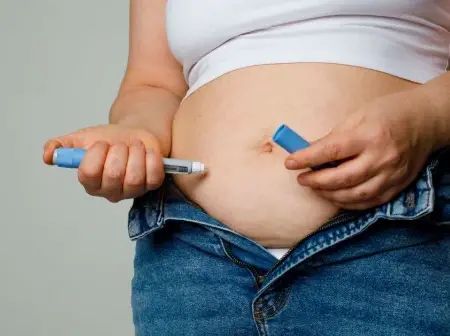
Dr Lyudmila Schukina, a weight-loss specialist at Nairobi Bariatric Centre, says the medications are generally recommended for adults living with obesity or those who are overweight and have related health complications.
According to the specialist, doctors assess several factors before prescribing the injections. These include a patient's body mass index (BMI), waist circumference, medical history, general health and previous attempts to manage their weight.
Generally, adults with a BMI of 30 or above may qualify for the treatment. Those with a BMI of 27 or higher may also be considered if they have conditions such as type 2 diabetes, high blood pressure, high cholesterol or sleep apnoea.
However, Schukina says people who are already at a healthy weight and only want to lose about five kilogrammes to improve their appearance should not use the injections for that purpose.
She emphasises that the medications are medical treatments rather than lifestyle products that people should take because they are fashionable.
Before prescribing the injections, doctors conduct a medical assessment to determine whether a patient is suitable for treatment.
Schukina says the evaluation includes checking weight, BMI, blood pressure and existing medical conditions. Doctors also review medications a patient may already be taking.
Blood tests are conducted to assess blood sugar levels, kidney function and, in many cases, liver function and cholesterol.
Patients are also asked about previous medical conditions, including pancreatitis, gallbladder problems and stomach disorders. Pregnancy is another important consideration because the medications should not be used during pregnancy.
The specialist further cautions against prescribing the drugs to people with certain rare thyroid cancer conditions, particularly medullary thyroid cancer and multiple endocrine neoplasia type 2 (MEN2).
Patients with serious problems involving stomach emptying or a history of pancreatitis may also require careful medical consideration before treatment.
GLP-1, short for glucagon-like peptide-1, is a hormone naturally produced by the body. It plays a role in regulating blood sugar and appetite.
Medications that mimic its effects were initially developed to help manage type 2 diabetes. However, doctors later observed that patients taking them also experienced significant weight loss, leading to further research and the development of formulations specifically approved for weight management.
Semaglutide, sold under brand names such as Ozempic and Wegovy, acts on the GLP-1 hormone. Tirzepatide, marketed as Mounjaro, works on two hormones: GLP-1 and GIP.
The financial commitment is another factor patients are encouraged to consider before starting treatment.
According to Schukina, treatment costs in Kenya begin at approximately KSh45,000 per month for the initial dose. The amount may increase as the dosage is gradually adjusted and depending on the clinic providing the service.
She warns that the treatment should not be viewed as a one-month programme. Many patients require several months of medication, while others may need to continue for longer.
Doctors therefore encourage patients to understand the expected costs and treatment requirements before making a decision.
As demand for weight-loss injections grows, the specialist's message is that medical assessment should come before the desire to achieve a particular body shape. People considering the medications should consult qualified healthcare professionals rather than obtaining injections from beauty parlours or using them without proper supervision.
Ultimately, the decision to use weight-loss medication should be based on an individual's health needs and medical suitability, not simply the pressure to lose a few kilogrammes.
Leave a Reply