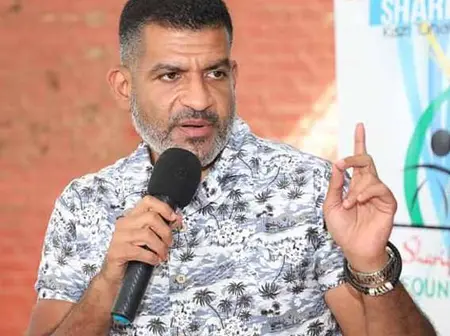
Mombasa Governor Abdulswamad Shariff Nassir is trailing in third place ahead of the 2027 General Election, according to a Mizani Africa opinion poll released on Tuesday, November 24, 2026.
The respondents were asked who they would vote for, and the results broke down as follows:
• Sarai Omar Hassan (UDA): 28.6%
• Mohammed Ali / Jicho Pevu (Wiper): 22.1%
• Abdulswamad Shariff Nassir (ODM): 16.8%
• Suleiman Shahbal: 5.1%
• Ali Menza Mbogo: 4.4%
• Aharub Khatri: 1.3%
• Shafi Makazi: 0.8%
• Undecided: 20.9%
With more than a fifth of Mombasa voters still undecided, how the top contenders court that bloc, and whether minor candidates consolidate, will likely shape the next phase of the 2027 race.
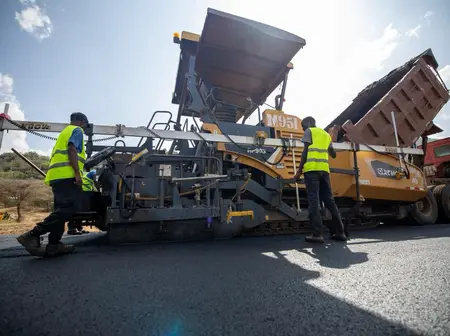
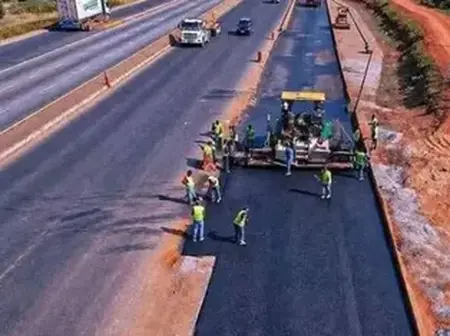
Motorists and communities across Kenya could soon experience faster, more resilient highway construction as the Kenya National Highways Authority (KeNHA) pivots toward alternative road-building technologies. The strategic shift comes in response to severe global bitumen supply disruptions that have driven local import prices up by more than 140 percent and slowed critical infrastructure projects nationwide.
Established under the Kenya Roads Act of 2007 to manage, develop, rehabilitate, and maintain the national trunk road network, KeNHA has historically relied on imported petroleum-based bitumen. However, geopolitical tensions and maritime shipping backlogs in the Middle East have severely constrained supply chains into the Port of Mombasa, inflating project costs and testing contractor timelines.
To safeguard taxpayer value and keep economic corridors moving, the Authority—working alongside the State Department for Roads—is accelerating the adoption of modern engineering solutions. Key among these are advanced geosynthetic systems, cold-mix asphalt technologies utilizing bitumen emulsions and foamed bitumen, and cement-stabilized road bases. By reinforcing roadbeds with high-strength polymers and recycling existing pavement materials, engineers can significantly reduce dependence on conventional hot-mix bitumen while enhancing road durability against heavy axle loads and extreme weather.
"Our mandate is to deliver safe, reliable, and cost-effective highways for every Kenyan, regardless of external market shocks," KeNHA noted in its updated technical framework, which aligns with the 2025 Kenyan Road Design Manuals and Specifications.
For everyday commuters, farmers, and regional traders, this technological transition promises fewer construction delays, lower long-term maintenance costs, and smoother journeys along vital trade arteries—proving that innovation can turn a global supply crisis into lasting national progress.
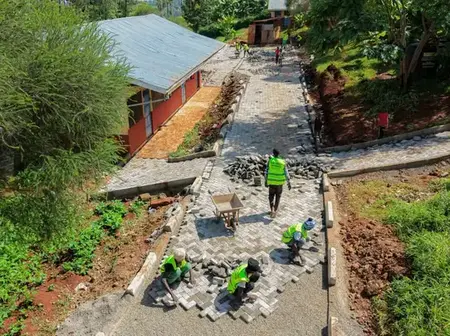
Rather than spreading construction works thinly across several calendar years, the Kiharu National Government Constituencies Development Fund (NG-CDF) office is utilizing the November and December break to overhaul learning facilities before learners return for the new academic term.
According to disclosures shared by the legislator, the massive rollout spans the construction of brand-new schools, modern science laboratories, extra classrooms, multipurpose halls, and comprehensive renovations of aging blocks.
Among the institutions already undergoing active upgrades this holiday are Kayuyu Primary School, Marewa Primary School, Gitungano Primary School, Mamumbu Primary School, and Kaigwa Primary School.
The scale of executing nearly a hundred separate construction sites at the exact same time has raised questions among observers over how a single constituency can finance and supervise such a workload.
Nyoro addressed this directly after convening a joint planning forum with school principals, headteachers, foremen, procurement professionals, and Project Management Committee (PMC) members.
He explained that Kiharu avoids awarding tenders to traditional private contractors, opting instead for a strict labour-based construction model managed directly at the school level.
Under this framework, NG-CDF funds are sent straight to the beneficiary institution's account, where publicly elected Project Management Committees oversee the purchase of building materials and hire local artisans.
Nyoro noted that cutting out commercial contractors eliminates private profit markups and prevents the double payment of Value Added Tax (VAT) on construction budgets.
As a result, every shilling allocated to a school translates directly into bricks, roofing, floor tiles, and wages for local masons and casual workers within the community.
In recent updates, the Kiharu MP has maintained that previous phases of this model enabled the constituency to tile classrooms across all 112 public primary schools and introduce cabro paving in dozens of compounds.
With current efforts expanding aggressively into day secondary schools and remaining primary institutions, school heads in the constituency say improved classrooms and laboratories are helping create a more conducive learning environment.
Identified as Millie Chebet, the woman opened up about her academic experiences in a social media post, highlighting the challenges she encountered before securing a place at the Kenya Medical Training College (KMTC).
Chebet disclosed that she scored 230 marks in the Kenya Certificate of Primary Education (KCPE), which paved the way for her transition to secondary school.
However, her first attempt at the Kenya Certificate of Secondary Education (KCSE) examinations did not produce the results she had hoped for, as she attained a grade E.
Despite the setback, Chebet remained determined to continue with her education and decided to sit for the national examinations again.
Her second attempt saw her improve significantly, moving from an E to a C- grade, giving her another opportunity to pursue further studies.
She also shared details of supplementary examinations she undertook along the way, revealing that she scored four out of seven in one assessment and six out of 13 in another.
Chebet is currently pursuing mortuary science at KMTC Gatundu Campus, demonstrating how persistence and determination can open opportunities despite earlier academic challenges.
Reflecting on her experiences, she credited God for giving her strength throughout the difficult moments of her educational journey.
"God has been with me during these struggling periods and I am so grateful," she wrote.
Her story has offered encouragement to students who may be discouraged by poor examination results or feel that their academic dreams have been cut short.
Chebet's experience highlights that one disappointing examination result does not necessarily determine a person's future, as there can be alternative opportunities to continue learning and pursue professional ambitions.
Former Mukurweini MP Kabando wa Kabando has criticised President William Ruto over his continued claims that parents and politicians manipulated young people during the 2024 protests against the Finance Bill.
Kabando accused the Head of State of failing to acknowledge the genuine grievances that drove thousands of young Kenyans to the streets, arguing that the demonstrations reflected widespread public frustration rather than political manipulation.
The former legislator described Ruto's position as living in denial, suggesting that the President had yet to fully appreciate the reasons behind the historic Gen Z-led protests.
The 2024 demonstrations attracted nationwide attention, with thousands of young people mobilising against the Finance Bill, which proposed additional taxation measures at a time when many Kenyans were struggling with the rising cost of living.
The protests were largely driven by concerns over taxation, unemployment, economic hardship, corruption and demands for greater accountability from the government.
Young Kenyans organised much of the movement through social media platforms, with many insisting that their participation was independent of established political parties and influential political figures.
The demonstrations eventually forced the government to reconsider its position on the Finance Bill, with President Ruto announcing that he would not sign the controversial legislation into law.
However, the political debate surrounding the protests has continued, particularly over whether young people were acting independently or had been influenced by politicians and other groups.
Kabando's latest remarks add to the growing criticism of the President's handling of the Gen Z movement and its underlying concerns.
His comments also revive questions about whether the government has adequately addressed the issues that brought young people together in unprecedented numbers.
For many observers, the 2024 protests represented a significant shift in Kenya's political landscape, demonstrating the growing influence of young voters and their willingness to challenge decisions made by those in power.
Kabando's criticism suggests that blaming parents and politicians for the protests risks overlooking the economic and governance concerns that fuelled the demonstrations.
As Kenya approaches the 2027 General Election, the relationship between the government and the country's younger generation could remain a major political issue.
Kenya could soon adopt a new road construction technology that converts discarded plastic bottles into asphalt, potentially improving road durability while reducing reliance on bitumen amid growing supply challenges.
The Kenya National Highways Authority (KeNHA), in partnership with the Kenya Urban Roads Authority (KURA), is exploring the innovation through discussions with a Japanese delegation comprising representatives from the Japan International Cooperation Agency (JICA), Nippon Road Company, Kao Corporation and Shimizu Corporation.
In a statement issued on Tuesday, November 24, 2026, KeNHA said the discussions focused on research into the use of recycled polyethylene terephthalate (PET) plastics in asphalt to improve pavement performance.
The technology, known as NEWLAC, incorporates recycled plastics commonly found in discarded water and soft-drink bottles into asphalt using a chemical additive.
During the meeting, the Japanese delegation presented preliminary material-testing findings indicating that the technology could improve the performance of road surfaces.
Studies have also shown that recycled PET plastics can replace up to 10 per cent of bitumen without compromising the stability of the asphalt mixture.
According to KeNHA, adopting the technology could improve road durability, water resistance and overall resilience, offering an alternative approach to addressing challenges associated with road deterioration.
The innovation could also help tackle plastic pollution by giving discarded plastic materials a new purpose in road construction rather than allowing them to accumulate in the environment.
The discussions come at a time when Kenya is experiencing a shortage of bitumen, a black, sticky substance used to bind road construction materials and ensure roads remain firm and durable.
According to the Ministry of Roads and Transport, ongoing conflicts in the Middle East have affected bitumen supplies, contributing to delays in major infrastructure projects.
One of the affected projects is the Rironi-Naivasha section of the Rironi-Mau Summit Highway, whose opening has been delayed amid the supply challenges.
By incorporating recycled plastics into asphalt, Kenya could potentially reduce its dependence on conventional road construction materials while improving the quality and lifespan of its roads.
However, the technology is still being explored through research and material testing, with further assessment needed before its possible adoption in Kenya's road construction projects.
PlBandari And Mathare United Seek Response As Coaches Face Growing Pressure
Bandari FC and Mathare United will have more than three points at stake when they meet in the FKF Premier League later today with both sides seeking to end their recent struggles.
The match will be played at Mbaraki Sports Club, with kick-off scheduled for 3:30pm.
It also presents an important test for coaches Charles Okere and David Ouma, who will be keen to improve their teams' results.
Bandari have struggled to find their rhythm this season. Their latest setback was a 2-0 home defeat to Murang'a Seal, leaving the Dockers with only one victory from their opening eight league matches.
The Mombasa side have drawn four times and lost three matches, a record that has raised questions about their ability to compete consistently.
With home advantage on Tuesday, Okere will be hoping his players can deliver a performance that changes the team's fortunes.
Mathare United arrive with a slightly better record but are also searching for a winning formula.
Their previous match ended in a 1-1 draw against Kakamega Homeboyz, a result that denied them an opportunity to collect all three points on home soil.
The Slum Boys have recorded two wins, three draws and three defeats in eight matches.
Ouma will therefore be looking for an improved attacking display and greater consistency as his team targets a positive result on the coast.
Previous meetings suggest there may not be much between the sides.
Bandari have won two of their last five encounters with Mathare, who have claimed one victory, while the other two matches ended in draws.
During the inspection, the governor toured key sections of the facility, including the outpatient department (OPD), laboratory, pharmacy, dental unit, maternity wing, female ward, youth centre and morgue.
She also assessed the final preparations at the completed main hospital building, which is expected to strengthen healthcare services for residents of Njoro and neighbouring areas.
The inspection further covered supporting infrastructure within the hospital compound, including connecting walkways, the kitchen, power house, water tower and laundry facilities.
Kihika said she would be checking the final touches on the structures before the facility is commissioned and fully staffed.
The development is part of efforts by the county govt to improve access to healthcare services and ensure residents can receive treatment closer to their homes.
The governor's visit comes as county governments continue investing in health infrastructure to improve service delivery, reduce pressure on existing facilities.
The next phase will involve commissioning the hospital and ensuring it has the necessary personnel to support operations across its departments.
Treasury Cabinet Secretary John Mbadi has signalled fresh tax reforms ahead of the 2027 Finance Bill, including a review of the Pay As You Earn (PAYE) framework as the government seeks to increase revenue without placing excessive pressure on households and businesses.
Mbadi said the National Treasury was preparing the Finance Bill, 2027, alongside the Second Medium-Term Revenue Strategy (MTRS), which will guide the government's revenue mobilisation efforts from the 2027/28 financial year.
The proposed changes are expected to draw on research and recommendations from a stakeholder workshop organised by the National Treasury in partnership with the African Economic Research Consortium (AERC).
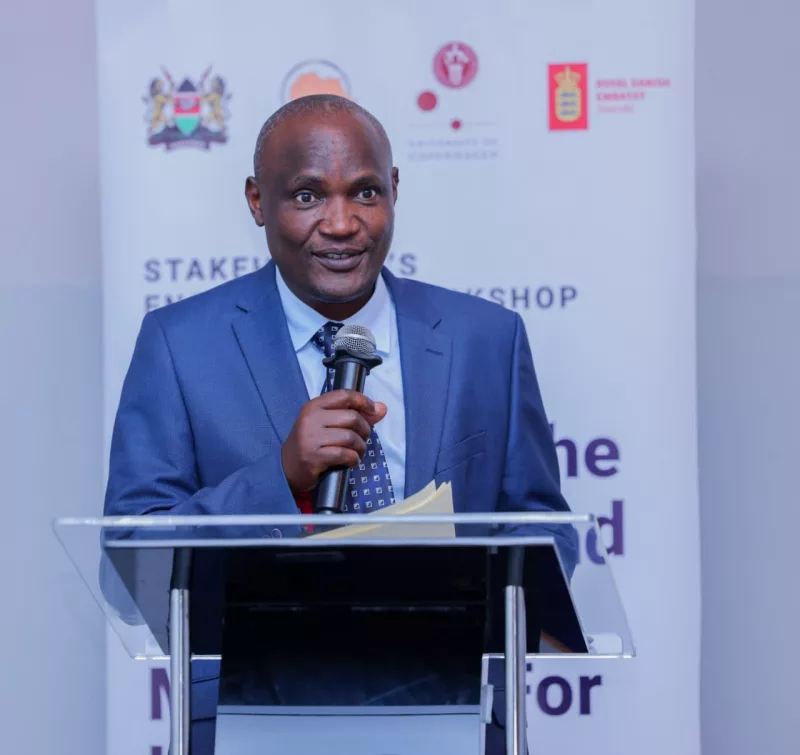
Speaking during the official opening of the GOK–AERC–UCPH–DERG Stakeholder Workshop on Tuesday in Nairobi, Mbadi said Kenya needed a tax system that could generate sufficient resources to finance public services and national development while supporting economic growth.
He said the government must strike a balance between raising revenue, protecting household purchasing power and creating an environment in which businesses can expand and investors can operate with confidence.
"How do we raise the revenue needed to finance public services and national development without placing too much pressure on households, discouraging investment or making it harder for businesses to grow?" Mbadi posed.
"For me, the answer lies in building a tax system that is fair, efficient and predictable, and one that takes into account the realities facing households, businesses and the wider economy," he added.
The CS said the government intended to broaden the tax base, improve compliance and ensure the tax burden was distributed fairly rather than relying excessively on existing taxpayers.
The review of PAYE is particularly significant for salaried Kenyans, as any adjustments to the framework could affect how employment income is taxed.
Mbadi did not, however, outline specific proposed changes to the PAYE system or indicate whether the review would result in changes to existing tax bands and rates.
The preparations for the 2027 Finance Bill come amid continuing public debate over taxation, the cost of living and the government's revenue collection targets.
Mbadi said evidence-based research would be critical in shaping the next phase of tax policy, ensuring that decisions were informed by the economic realities facing individuals and enterprises.
He noted that the recommendations emerging from the workshop would help inform the Finance Bill, the PAYE review and the Second Medium-Term Revenue Strategy.
Beyond revenue collection, Mbadi said the government also had a responsibility to ensure that public resources were properly managed and translated into tangible benefits for citizens.
He argued that increasing government revenue alone would not address public concerns unless the money collected was spent prudently and transparently.
"Our responsibility is to mobilise revenue responsibly while protecting household purchasing power, supporting businesses and creating the resources needed to finance Kenya's development priorities," he said.
He added that every shilling collected must deliver value for money, insisting that Kenyans should see the impact of their tax contributions through improved public services and development projects.
"At the end of the day, Kenyans want to see the difference their contributions make in their daily lives. Every shilling collected must count," Mbadi said.
According to a report by TUKO published on November 24, NTV Kenya was leading with approximately 61,000 concurrent viewers, followed by KTN News with 53,000.
KBC Channel 1 had attracted approximately 23,700 viewers, while Citizen TV recorded just 47 viewers at the time the screenshots were captured.
Nandwa used the comparison to highlight the changing viewership patterns among Kenya's leading television broadcasters following Citizen TV's decision to introduce paid access to its YouTube livestream.
The development comes after Royal Media Services (RMS), the parent company of Citizen TV, introduced a KSh 350 monthly YouTube membership package on Saturday, November 21.
According to reporting by Kenyans.co.ke, the subscription covers livestream access to Citizen TV, Inooro TV and Ramogi TV through YouTube.
RMS clarified in its subscription notice that the payment arrangement applies exclusively to YouTube and does not affect access through other platforms.
The decision attracted reactions from viewers, with some questioning the need to pay for livestreams when competing television stations continue providing similar services free of charge.
Other broadcasters have also appeared to capitalise on the development by welcoming viewers to their platforms.
NTV presenter Frederick Muitiriri previously attracted attention after humorously thanking Citizen TV for introducing the subscription fee while promoting NTV's free broadcasts.
However, the figures shared by Nandwa represent a single viewing snapshot and should not be interpreted as official audience ratings or proof that all the additional viewers migrated from Citizen TV.The comparison nevertheless highlights the growing competition among Kenyan broadcasters for digital audiences.