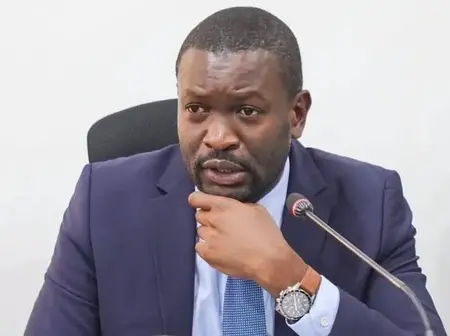
First, most elected leaders in Western Kenya are aligned with the broad-based government and support Ruto's re-election. In Busia County, Funyula MP Wilberforce Oundo is the only elected leader allied with Sifuna, while most of the other leaders support the president.
In Kakamega County, Mumias East MP Peter Salasya is among the few prominent elected leaders in the opposition who could support Sifuna. Most MPs, the Woman Representative and the governor are aligned with Ruto, while Senator Boni Khalwale is allied with Sifuna.
In Bungoma County, Bumula MP Jack Wanami and Kabuchai MP Majimbo Kalasinga are among the few prominent elected leaders backing Sifuna, while most of their counterparts support Ruto.
In Vihiga County, Senator Godfrey Osotsi is the only prominent elected leader backing Sifuna, with most other elected leaders in the county supporting Ruto.
This alignment gives Ruto an advantage because he enjoys the support of most elected leaders across the four Western Kenya counties, which could influence voters ahead of the 2027 General Election.
Secondly, Luhya sub-tribes do not necessarily vote as a single political bloc. Different communities often align themselves with particular political leaders, making it difficult for one candidate to secure overwhelming support across the region.
Furthermore, Bungoma County, where Sifuna comes from, has historically leaned towards the political side associated with National Assembly Speaker Moses Wetang'ula. Currently, Wetang'ula is in Ruto's camp, a development that could work in the president's favour.
Although Sifuna could attract significant support in Bungoma because of his roots in the region, some voters may still follow Wetang'ula's political direction and support Ruto in the 2027 General Election.
Leave a Reply