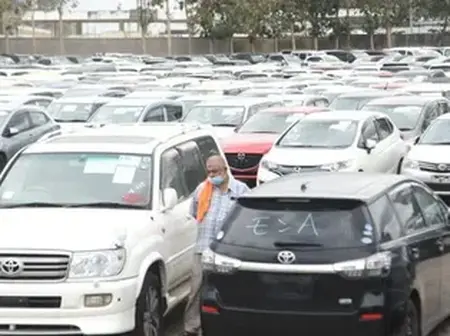
The changes mean dealers will no longer have to register vehicles immediately after importing them. Instead, they can clear the cars through customs, transport them to their yards and wait for potential buyers before paying the required NTSA registration charges.
The revised procedure follows a directive issued by President William Ruto, who ordered that vehicles imported by licensed dealers should be released once all applicable customs taxes and duties have been paid.
In an internal circular, KRA's Customs and Border Control Department outlined the new steps dealers must follow when importing vehicles.
Under the arrangement, dealers will first submit an import declaration through the Integrated Customs Management System (iCMS) after their vehicles arrive in Kenya.
They must then pay all applicable customs duties, taxes and levies. However, NTSA registration fees and other related charges will not be collected at this stage but will instead be paid when a vehicle is sold.
KRA will subsequently conduct physical inspections before customs officers approve the release of the vehicles.
Dealers will also be required to obtain a Kenya Dealer (KD) identifier through the National Transport and Safety Authority (NTSA) platform. The unique identification code, which incorporates the dealer number and vehicle chassis number, will help authorities track individual vehicles.
Before allowing a vehicle to leave the customs yard, border control officers will verify that its identification details match those recorded in the customs system.
Once cleared, the vehicle can be transported to the dealer's premises, where it will remain as the business searches for a buyer.
After a customer purchases the car, the dealer will initiate formal registration through NTSA and pay the applicable charges using the eCitizen platform.
KRA further explained that the registration number issued by NTSA would automatically be transmitted to its customs database through an automated system to facilitate record-keeping, reconciliation and future audits.
The changes are expected to ease the process of importing and selling second-hand vehicles by allowing dealers to postpone registration costs until a buyer has been secured.
https://www.kenyans.co.ke/news/129299-kra-changes-process-releasing-imported-second-hand-cars-after-ruto-directive
Leave a Reply