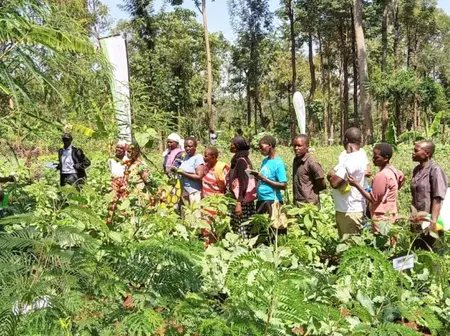
Highlighted in agribusiness coverage on Saturday, November 28, 2026, the shift reflects a deliberate move away from over-reliance on slow-maturing traditional crops toward high-demand, quick-turnover enterprises.
Unlike maize or sugarcane—which tie up land and capital for months before generating revenue—managu reaches first harvest within four to six weeks after transplanting and allows weekly selective picking over several months.
The hardy indigenous vegetable thrives in Kakamega’s warm, moderate-rainfall climate, requires modest upfront capital compared to exotic vegetables prone to heavy pest losses, and enjoys strong everyday demand from health-conscious households, schools, and urban traders.
Pairing managu cultivation with zero-grazing dairy units has also created practical farm-level synergies.
Confined dairy cows produce steady milk yields on smaller parcels of land while generating organic manure that enriches vegetable beds, cutting dependence on expensive synthetic fertilisers and improving soil fertility.
As unpredictable weather patterns and rising production costs continue testing rain-fed agriculture, expanding access to certified seeds, extension advice, and post-harvest handling will determine how effectively Kakamega smallholders scale indigenous vegetables into reliable commercial agribusinesses.
What are your thoughts about this article? Share your reactions in the comment section and don't forget to share and follow for more updates.
https://peopledaily.digital/business/why-kakamega-farmers-are-turning-to-managu-to-improve-their-earnings
Leave a Reply