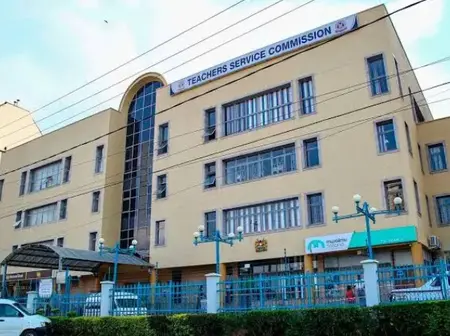
The proposal is contained in the Teachers Service Commission (Amendment) Bill, 2026, which seeks to strengthen professional standards by requiring teachers to undertake continuous professional development (CPD) training.
If adopted, the proposed changes would introduce an additional professional requirement for teachers, including those who have been registered with TSC for several years.
Under Clause 28 of the Bill, which seeks to amend Section 35 of the TSC Act, the commission would be required to ensure that teachers comply with established professional standards.
The proposed provision would give TSC the responsibility of requiring every registered teacher to participate in continuous professional development programmes. Teachers who complete the prescribed training would then qualify for practising certificates.
Those who fail to undertake the required programmes could face administrative action in accordance with regulations governing the teaching profession.
The proposal has, however, generated mixed reactions among education stakeholders, particularly over whether TSC should simultaneously act as the employer, licensing authority and professional regulator for teachers.
The Education Stakeholders Association of Kenya (Esak) has opposed the proposal, arguing that professional licensing and regulation should be handled by an independent institution rather than the commission that employs teachers.
Esak national secretary Ndung'u Wangenye maintained that TSC's primary responsibility should remain employment matters, including managing teachers working in public schools and other institutions.
The association wants Parliament to establish an independent regulatory body that would oversee professional development and issue practising certificates where necessary.
On the other hand, the Kenya Union of Post Primary Education Teachers (Kuppet) has supported the introduction of continuous professional development, arguing that regular training would help teachers identify weaknesses and improve their professional skills.
Kuppet Deputy Secretary-General Moses Nthurima said online refresher courses would give teachers an opportunity to select areas where they need additional knowledge and complete the training at their convenience.
He compared the proposed arrangement with professional development requirements in other fields, including law, engineering and surveying, where practitioners undertake additional training to maintain their professional standing.
Nthurima also argued that practising certificates could strengthen Kenyan teachers' professional credentials and improve their competitiveness when seeking employment opportunities outside the country.
However, the union acknowledged concerns about TSC exercising both employment and regulatory responsibilities, maintaining that teachers would have to work within the existing constitutional framework unless changes were made.
Elimu Bora Working Group representative Boaz Waruku also supported continuous professional development but raised concerns about who would finance the mandatory programmes.
Waruku argued that teachers should not be forced to meet additional training expenses because professional development is also an employer's responsibility.
He maintained that if TSC requires teachers to undertake regular training, the commission should provide the necessary financial support instead of transferring the burden to individual educators.
Waruku further called for institutional separation between employment and professional regulation to address potential conflicts arising from TSC performing both functions.
Another major concern surrounding the proposed changes is the absence of clear details on the cost and administration of the practising certificates.
The Bill does not specify how frequently the certificates would need to be renewed, whether teachers would pay for them, how long the training would take or which institution would finance the programmes.
For now, the practising certificate requirement remains a proposal contained in the 2026 amendment Bill and should not be confused with an already implemented requirement for all registered teachers.
Source
Leave a Reply