For someone currently paying KSh 15,000 monthly, upgrading to a house costing KSh 40,000 may appear financially unrealistic. However, sharing accommodation and choosing a more affordable neighbourhood are among the options that can make the transition manageable.
Nairobi's rental market has continued to experience pressure, with HassConsult data indicating that rental yields reached 7.4% in 2025, the highest level recorded since 2007.
The rising cost of accommodation has also affected tenants looking for larger homes in the city's residential neighbourhoods.
According to the figures cited in the report, suburban rents increased by 1.3% in the first quarter of 2026, while satellite town rents rose by 1.4%.
For tenants planning to upgrade, the challenge goes beyond finding an apartment with an affordable monthly rent.
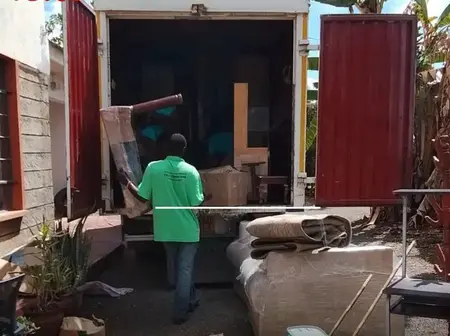
A KSh 40,000 rental house could require approximately KSh 120,000 upfront when the first month's rent, security deposit and initial moving expenses are considered.
Additional expenses such as electricity, water, transport and furniture can make the transition even more expensive. Setting up a larger house could require another KSh 30,000, depending on the household's needs.
Financial planners generally recommend spending no more than 30% of one's net monthly income on housing. Tenants who exceed this level risk putting pressure on other essential expenses.
One practical option is sharing accommodation with another person.
For instance, two tenants sharing a KSh 40,000 apartment would each contribute KSh 20,000 towards rent. This makes a larger living space more affordable than shouldering the entire amount alone.
In neighbourhoods such as Kasarani and Donholm, where some two-bedroom apartments reportedly cost between KSh 35,000 and KSh 50,000, splitting the rent could bring individual contributions to between KSh 17,500 and KSh 25,000.
House sharing has increasingly become an option for young Nairobi residents who want better accommodation without committing a large portion of their earnings to rent.
Brian Robert, a tenant who has shared accommodation for two years, explained that the arrangement helped him manage the rising cost of living.
He described sharing a house as a practical way of reducing expenses, particularly for young people starting their independent lives.
Robert revealed that the arrangement was not originally part of his plans but happened naturally.
He considers it a temporary arrangement until he becomes financially stable enough to live independently.
However, tenants considering this option should understand the conditions of their rental agreements.
Some landlords prohibit subletting, while others require written permission before another person moves into the property.
It is therefore important to agree on rent contributions, security deposits, utility bills and notice periods before sharing a house.
Another option is moving to a more affordable neighbourhood rather than increasing the housing budget substantially.
Areas such as Kasarani, Roysambu and Zimmerman have one-bedroom apartments reportedly ranging between KSh 12,000 and KSh 20,000.
Umoja, Donholm and Utawala also offer options ranging from approximately KSh 10,000 to KSh 17,000.
For tenants who prefer areas closer to Nairobi's central business district, South B and South C have some relatively affordable options, with one-bedroom units reportedly costing between KSh 18,000 and KSh 28,000.
Relocating to these neighbourhoods could help tenants access better accommodation while keeping their monthly rent within a manageable range.
However, choosing a cheaper house far from the workplace can create another financial challenge.
Transport expenses must be considered before making a relocation decision because savings on rent can easily disappear through increased commuting costs.
The report notes that matatu fares on several routes increased by 25% in April 2026 following fuel price increases.
Some peak-hour journeys to areas such as Rongai and Thika reportedly reached approximately KSh 190.
The Kenya National Bureau of Statistics also reported transport inflation of 17.1% in October 2026, highlighting the growing pressure on commuters.
For example, a tenant who saves KSh 5,000 on monthly rent but spends an additional KSh 10,000 travelling to work would actually be worse off financially.
Commuter rail services operated by Kenya Railways provide another option for some residents.
Fares on selected routes reportedly start at KSh 50 for Embakasi and KSh 60 for Syokimau, although limited schedules on some routes may affect convenience.
Ultimately, upgrading to a bigger house in Nairobi does not necessarily require doubling one's salary.
The most important consideration is to evaluate rent, transport, utilities and other household expenses together before committing to a more expensive apartment.
Source
Leave a Reply