
At least 200 people from Nairobi and Mombasa braved early morning rain on Sunday to complete a 25-kilometer walk through Karura Forest, marking the 2026 edition of a corporate industry backed wellness initiative.The “Twende Karura” walk combines physical endurance with public health advocacy, and is supported by financial services player Britam, the Karura Running Club and the Mombasa Walkers Movement.
Category: Health
-

Doctors to Offer Free Medical Services at Lang’ata Camp as Atellah Eyes MP Seat
In Summary:More than 250 doctors are expected to provide free medical services to residents of Lang’ata and neighbouring areas.The two-day medical camp is expected to provide residents with an opportunity to access a range of medical services at no cost.NAIROBI, Kenya – More than 250 doctors are expected to provide free medical services to residents of Lang’ata and neighbouring areas during a two-day medical camp scheduled for November 7 and 8 at Uhuru Gardens Primary School in Nairobi.
-
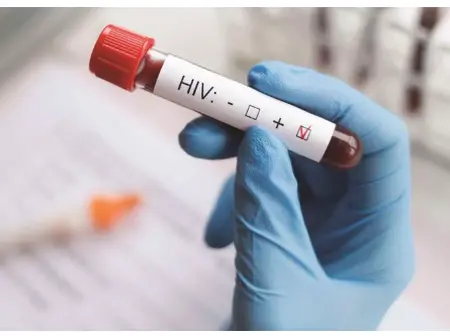
HIV self-testing is crucial
The gains made over the years in fighting HIV-Aids could have been strengthened further through an available system that has not been fully embraced. This is the adoption of self-testing by men.HIV self-testing among men is a critical, underutilised strategy that can significantly advance the fight against infections.
-

Bad News for Ruto as Irungu Exposes National Government System Allegedly Forcing Counties to Do This
Speaking during an interview on JKLive, Kang’ata said Murang’a had revamped Afya.ke and successfully implemented it across the county. He claimed the national government later developed another system, which he described as privately owned, and began requiring county governments to adopt it.
The governor said he proposed linking the two platforms so the national system could exchange information with Afya.ke without forcing Murang’a to abandon its existing technology. According to him, the proposal was rejected.
The disagreement is part of a wider dispute between Murang’a County and the Ministry of Health over the transition to a national digital health platform. Afya.ke has been used in county facilities to manage patient information and support hospital operations.
Health Cabinet Secretary Aden Duale has disputed Kang’ata’s account of the ministry’s role. He said the ministry did not own, control or manage Afya.ke and had not switched it off. He described the platform as a private arrangement between the county government and its developers.
The ministry has also said neither Murang’a County nor the developers had applied to the Digital Health Agency for certification. It maintains that Social Health Authority beneficiaries in the county would continue accessing healthcare through established national systems.
Murang’a County moved to court over the disruption, and the High Court issued temporary orders restraining the national government from interfering with or shutting down Afya.ke.
Kang’ata’s comments underline the county’s position that the two systems could have been connected instead of replacing one with the other. The dispute remains unresolved, with the future use of Afya.ke still at the centre of the disagreement.
-

Cetirizine: Why women experience dryness after taking the drug
The government is pushing for the introduction of a medicine traceability system to monitor cetirizine from suppliers and distributors to patients following a viral social media craze that has raised concerns about possible misuse.
The proposed system is expected to strengthen the monitoring of pharmaceutical products by allowing authorities to follow their movement throughout the supply chain, from manufacturers and importers to pharmacies and final consumers.
Cetirizine is an antihistamine commonly used to relieve allergy symptoms, including sneezing, itching, a runny nose and watery eyes. The medicine has recently attracted widespread attention online, with social media users sharing content that has sparked conversations about its effects and uses.
However, the growing popularity of the drug has raised concerns about individuals potentially using it for purposes beyond its intended medical application.
Through the proposed traceability framework, authorities would be able to establish where medicines originate, who supplies them, where they are distributed and how they reach patients.
Source
https://www.facebook.com/share/p/1Dd54nFpnm/
-

Cetirizine: Health expert explains why women experience dryness after taking the drug
Cetirizine has been trending online following discussions and claims about its effects on women’s sexual health, particularly claiming that the allergy medication can cause dryness in women’s intimate areas.Amid the debate, a health expert has explained how antihistamines, including cetirizine, may affect natural secretions in different parts of the body, potentially contributing to dryness in the intimate area.
-

Why Stopping Carbohydrates Completely Is Not the Cure for Diabetes
When people first learn about diabetes, cutting out all carbohydrates can sound like the easy answer. But managing diabetes is more complex—there’s no quick fix (Evert et al., 2019). In fact, going totally carb-free can bring new risks, and most leading diabetes organizations do not recommend this approach for everyone (Evert et al., 2014). What matters most is understanding the types and amounts of carbs you eat, your medications, activity level, and your own health priorities (CDC, 2020).
You can’t cure diabetes by avoiding one food group.
Diabetes is a lifelong condition; it happens when the body either doesn’t make enough insulin or can’t use insulin properly (CDC, 2020). If you have Type 1 diabetes, your pancreas produces little or no insulin, so taking insulin is always necessary, regardless of what you eat. In type 2 diabetes, the body becomes less sensitive to insulin. Managing it often requires a combination of good nutrition, regular exercise, and sometimes medications (Evert et al., 2019). Some individuals with Type 2 diabetes can achieve remission, often by losing weight, but remission isn’t a cure—you still need to keep an eye on your blood sugar (Evert et al., 2014). No diet or single food group can “reverse” diabetes.
There are different types of carbs.
There are three main types of carbohydrates:
Sugars—These cause the sharpest spike in blood sugar. You’ll find them in sweets, sugary drinks, and, in smaller amounts, in foods like fruit and milk (CDC, 2020).
Refined grains – Such as white bread, white rice, and white pasta. They mostly contain starch and little fiber (Evert et al., 2019).
Whole grains, pulses, vegetables, and fruits – These foods come packed with fiber, vitamins, and essential minerals (Evert et al., 2019).
Fiber is passed through the body undigested. It makes you feel full, lowers blood sugar levels, and lowers your cholesterol (Evert et al., 2019).
If you cut out all carbs, you might also exclude foods that actually help keep your blood sugar steady.
Why cutting out carbohydrates completely can cause issues
Going extremely low carb can cause problems in some diabetes patients:
Hypoglycemia – Patients taking insulin or some diabetes tablets can become dangerously low in blood sugar.
Ketones—If you go extremely low carb, then your body will start using fat as its energy source, causing ketones to build up. This can increase your risk of a serious condition called diabetic ketoacidosis in type 1 diabetes or with some medications (Evert et al., 2019).
Lack of nutrients—Fruit, whole grains, and pulses contain fiber and micronutrients that can be harder to replace.
Hard to stick with—Extremely strict diets are tough for most people to maintain long-term. If you stop suddenly, you may see blood sugar swings and even gain back weight.
Before making any significant changes to your diet, speak to a healthcare professional to ensure your medication is adjusted safely (Evert et al., 2019).
Expert opinion
The American Diabetes Association brought together an expert panel. They reviewed over 600 nutrition studies. They concluded that no single dietary pattern suits all people with diabetes. Furthermore, they found no evidence of a perfect balance of calories from carbohydrates, protein, and fat. It should be personalized. Evidence supports low-fat and Mediterranean-style diets, as well as low-carbohydrate diets. They agreed we should reduce added sugars and refined grains and focus on eating plenty of non-starchy vegetables. They also agreed to eat whole foods rather than processed foods (Evert et al., 2019; Evert et al., 2014).
So, for some people, cutting back on carbs makes sense—but you don’t have to avoid them altogether.
How to make better carb choices
Try to eat high-fiber foods:
Make vegetables, beans, lentils, whole grains, and whole fruits the staples of your meals. Skip refined grains and fruit juices when you can.
Reduce added sugars – Sweets, sugary drinks, and desserts will cause a rapid increase in your blood sugar, with little nutritional value (Evert et al., 2019).
Plate method – Fill about half your plate with non-starchy vegetables. Split the remainder between lean protein and carbs (CDC, 2020).
Pair with protein or healthy fats – This can slow how quickly glucose enters the blood (Evert et al., 2019).
Eat regularly – Regular meals make your blood sugar levels easier to predict (Evert et al., 2019).
Ask for individualized advice—talk to a registered dietitian or diabetes educator to create a plan that fits your medication, culture, budget, and preferences (Evert et al., 2019).
Stay active—being active, sticking to your medication, and regularly checking your blood sugar levels is just as important (CDC, 2020).
Conclusion
While carbohydrates will affect your blood sugar levels, they aren’t the only cause of diabetes. Going completely carb-free won’t cure diabetes (Evert et al., 2019). Many people will find it safer and more sustainable to choose better carbs, control portion sizes, and have a plan created by their healthcare team. Your healthcare team can best manage diabetes by reviewing your diet, activity, medication, and monitoring (Evert et al., 2014).
Note: This article provides general information. Always check with a qualified healthcare professional before you change your diet or medication.
Evert, A. B., Dennison, M., Gardner, C. D., et al. (2019). Nutrition therapy for adults with diabetes or prediabetes: A consensus report. Diabetes Care, 42(5), 731–754.
Evert, A. B., Boucher, J. L., Cypress, M., et al. (2014). Nutrition therapy recommendations for the management of adults with diabetes. Diabetes Care, 37(Supplement 1), S120–S143.
Centers for Disease Control and Prevention. (2020). National Diabetes Prevention Program: Participant guide. https://www.cdc.gov/diabetes/prevention/pdf/participant-portal/participant-guide.pdf
-

Kenyan Patients Could Face Fresh Hospital Disruptions as KMPDU Issues Strike Warning
The latest development has raised fresh concerns about the future of healthcare services in affected counties, particularly as doctors demand that county administrations honour their salary-related obligations.
The union's ultimatum places pressure on the 17 county governments to address the outstanding adjustments within the stipulated period or risk facing industrial action.
For thousands of patients who depend on public hospitals, the announcement could signal difficult days ahead if negotiations fail and doctors eventually withdraw their services.
KMPDU represents medical practitioners across Kenya and has repeatedly raised concerns about the working conditions, remuneration and welfare of doctors employed in the public healthcare system.
The latest dispute centres on salary adjustments that the union says have not been implemented by the affected county administrations.
The 21-day notice gives the county governments a window to address the matter before the situation potentially escalates into a strike.
County governments play a crucial role in Kenya's healthcare system because they manage many public hospitals, employ healthcare workers and oversee the delivery of essential medical services at the local level.
Consequently, disagreements between county administrations and medical professionals can have serious implications for patients seeking treatment.
A prolonged industrial dispute could disrupt outpatient consultations, elective procedures and other hospital services, depending on the extent of participation by doctors and any exemptions agreed upon for emergency care.
The latest warning also raises broader questions about the ability of county governments to meet their obligations to healthcare workers while maintaining reliable medical services for residents.
For doctors, salary adjustments are not simply administrative matters. They form part of the wider discussion about fair compensation, professional recognition and the retention of qualified medical personnel in public hospitals.
However, the coming days will be important in determining whether the dispute can be resolved through negotiations before the deadline expires.
The affected county governments now face pressure to engage the union and find a solution that addresses the outstanding salary concerns.
For patients, the biggest concern remains whether hospitals will continue operating normally or whether another industrial dispute will affect access to medical services.
Do you support KMPDU's decision to issue a 21-day strike notice, or should doctors give county governments more time to resolve the salary dispute? What should happen if the 17 counties fail to act? Share your views in the comment section.
Source: https://x.com/StandardKenya/status/2117977717324792302?a=0schkJaAmvQxtzxx41A&s=19
-

Why Kenyans are paying Sh45,000 for rings that track sleep, heart rate
A new category of wearable technology is quietly finding its way onto the fingers of Kenya’s fitness enthusiasts, offering an alternative to the familiar smartwatch and fitness tracker wristband.
The smart ring, a compact device that resembles ordinary jewellery, tracks sleep patterns, heart rate, activity levels and other health indicators without the bulk of a watch or the need to keep checking a screen.
-

Kenya sets December 2026 deadline for drug manufacturers to adopt digital tracking system
Pharmaceutical manufacturers in Kenya have been given until December 31, 2026, to comply with global standards that will introduce stricter tracking of medicines and help combat counterfeit and substandard medical products in the country.
The deadline was announced by Principal Secretary for Medical Services Dr Ouma Oluga during the Health Products and Technologies Stakeholder Meeting in Nairobi, where he represented Health Cabinet Secretary Aden Duale.
Oluga said manufacturers must align their operations with GS1 global standards as the government moves to strengthen the safety, accountability and transparency of the pharmaceutical supply chain.
The standards will support the implementation of a digital Track and Trace system designed to monitor health products from the point of manufacture to the final consumer.
The initiative is expected to make it easier for regulators to establish the origin, movement and distribution of medicines, particularly when concerns arise over the quality or safety of particular products.
The Pharmacy and Poisons Board (PPB) said strengthening medicine traceability was critical in protecting the public from falsified and substandard medicines.
“Strengthening medicine traceability is essential to protecting Kenyans from falsified and substandard medicines and ensuring access to safe, effective and quality-assured health products,” the board said.
The board was represented at the stakeholder meeting by its Director of Pharmacy Practice, Dr Wilfred Ochieng. Under the proposed system, pharmaceutical products will have improved digital identification and tracking, allowing authorities to follow their movement through different stages of the supply chain.
This is expected to address challenges associated with tracing medicines when counterfeit, compromised or unsafe products enter the market.
The digital Track and Trace system is also expected to strengthen the government’s ability to respond to medicine safety concerns.
Through improved visibility, regulators will be better placed to identify affected batches and facilitate timely recalls of products found to be unsafe.
The system will also strengthen accountability among manufacturers, distributors, suppliers and other players involved in the movement of pharmaceutical products.
This could reduce gaps in the supply chain that make it difficult to establish where particular medicines originated and how they reached patients.
Beyond medicine safety, the government expects the adoption of GS1 standards to improve procurement processes and support the growth of local pharmaceutical manufacturing.
The digital system is expected to provide better information on the availability and movement of health products, helping institutions make more informed procurement decisions.
Improved traceability could also strengthen confidence in locally manufactured pharmaceutical products by making it easier to verify their movement and authenticity.
Manufacturers now have until December 31, 2026, to comply with the global standards as Kenya moves towards a more transparent and digitally monitored pharmaceutical supply chain.
The implementation will be an important step in strengthening medicine regulation and ensuring patients receive products that meet the required safety and quality standards.