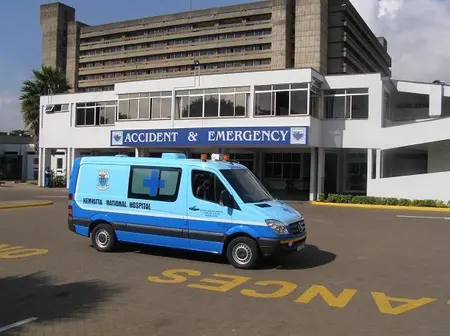
MilestoneKNH said one of the surgeries was on a four-year-old boy, the world's youngest known recipient of Targeted Sensory Reinnervation (TSR).Kenyatta National Hospital (KNH) etched its name in global medical history books after performing two pioneering nerve reconstruction surgeries.In a statement issued on Tuesday, November 10, KNH said one of the surgeries was on the world's youngest known recipient of Targeted Sensory Reinnervation (TSR), a four-year-old boy.
Category: Health
-
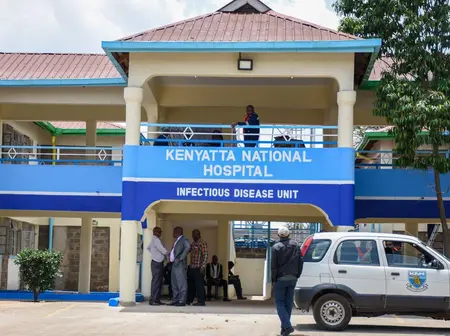
KNH Performs Two Groundbreaking Nerve Reconstruction Surgeries
Kenyatta National Hospital (KNH) has performed two pioneering nerve reconstruction surgeries, including one on the world’s youngest known recipient of Targeted Sensory Reinnervation (TSR) and another on the third patient globally to undergo the procedure’s transhumeral variant.The surgeries, conducted on October 29 and 30, 2026, involved a four-year-old boy and a 43-year-old man who had lost limbs in traumatic accidents, marking a major milestone in microsurgery and reconstructive care in Kenya.
-

Kenya becomes Ebola-free after MoH announces recovery of all patients
Kenya is now Ebola-free after the Ministry of Health announced on Wednesday that all patients who tested positive for the deadly virus have recovered.Health Cabinet Secretary (CS) Aden Duale said that all seven patients have been discharged and the contacts that were traced have completed necessary medical checkups.
-

“Kenyans Showed Me Love”- Content Creator Georgina Njenga Completes Rehabilitation Journey
Kenyan content creator Georgina Njenga has been discharged from Chiromo Hospital Group in Nairobi following 40 days of intensive mental health treatment and rehabilitation.
Her release on Monday, November 9, 2026, wrapped up a recovery journey that had initially been scheduled as a 90-day inpatient program, after medical professionals cleared her to return home early due to remarkable progress.
September 2026 (The Alarm): Public concern flared after a video circulated showing Georgina in a distressed state outside a supermarket around 4 AM, followed by alarming social media posts where she expressed deep emotional pain.
October 2, 2026 (Intervention & Admission): Comedian and activist Eric Omondi joined forces with Georgina’s mother, Alice Waruiru, to locate her and facilitate her voluntary admission to Chiromo Hospital Group under his Sisi Kwa Sisi initiative. Leadership at the facility, including Dr. Hongo and Prof. Frank Njenga, fully waived her treatment costs.
Day 15 (Mid-Recovery Hurdles): The stay posed emotional challenges; midway through, Georgina candidly described facing “spiritual battles” and struggling with the isolation of inpatient care.
November 9, 2026 (Discharge): After 40 days, doctors declared her ready to reunite with her family, particularly her daughter Astra.
Addressing her followers and well-wishers in a video shared by Eric Omondi, a smiling and tearful Georgina expressed her deep appreciation for the country’s collective support:
“I’m overwhelmed by the love, by the way. And like, all I’ll say is thank you and God bless you. I never thought that Kenyans would show me the love that they’ve shown me,” she shared.
With her immediate focus set on reuniting with her daughter and continuing her recovery at home, Georgina’s journey marks a poignant reminder of the importance of mental health intervention and community support.
-

From Kenya To The World: Meet 6 Highly Accomplished Kenyan Surgeons Working Overseas
In this storyFor many years, Kenya has produced some of Africa’s highest-qualified medical professionals.While many of the country’s sons and daughters have built successful careers at home, others have gone on to leave a lasting mark in some of the world’s best hospitals.
-

Duale Sounds Alarm Over Malaria Fight as He Urges African Leaders to Take Action
Duale said African countries must stop depending heavily on external donors and take greater responsibility for protecting their populations against malaria. He stressed that political promises alone would not be enough without proper financial investment and practical action.
The CS called on governments across the continent to direct more resources towards malaria prevention, testing and treatment. According to him, strengthening these areas would help reduce infections, prevent unnecessary deaths and protect vulnerable communities.
He warned that declining support from international funding partners was creating fresh challenges for malaria control programmes. Many countries rely on external assistance to provide essential medicines, diagnostic equipment, mosquito nets and other preventive services.
Duale maintained that the situation required African leaders to reconsider their priorities and make the fight against malaria a major public health responsibility. He noted that continued investment was necessary to protect the achievements already made and prevent the disease from claiming more lives.
His remarks also highlighted the importance of strengthening healthcare systems so that people can access reliable testing and treatment without facing unnecessary difficulties.
The Health CS further encouraged African nations to work together, share knowledge and develop sustainable approaches that would reduce the continent's dependence on outside assistance.
Malaria remains a major health challenge in many African countries, particularly among children and pregnant women. The disease continues to place pressure on families and healthcare facilities, making prevention and early treatment essential.
Duale's message comes at a time when African governments face growing pressure to increase domestic funding and demonstrate stronger leadership in the campaign to eliminate malaria.
-

Vaccines don’t cause infertility, autism or ‘immune overload’
Breastfeeding’s protection fades, extra vaccines aren’t extra risk, and skipping your child’s shot because others got theirs still leaves them exposed.Every parent wants to make the best decisions for their child, but in a world where information spreads within seconds, separating fact from fiction has become harder than ever.
-
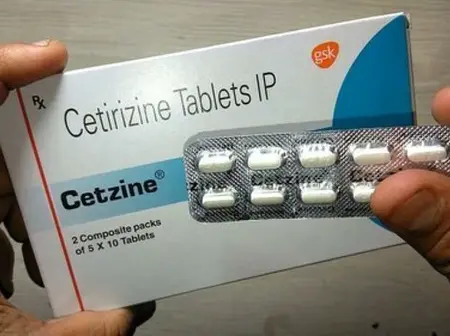
Pharmacists Warn Ladies Against Viral Cetirizine Misconceptions
The Pharmaceutical Society of Kenya (PSK) has issued a public warning over the misuse of cetirizine, clarifying that the widespread availability of the over-the-counter allergy medication does not make it safe when used outside its intended medical purpose.
In an official statement released on Thursday, November 5, 2026, the professional association expressed alarm over dangerous social media trends urging women to insert cetirizine tablets into their intimate areas.
“Social media has become an important platform for sharing health information. However, the rapid circulation of unverified medical claims presents significant risks to public health,” the statement read.
The trend gained momentum online following viral claims that cetirizine could suppress libido and tighten vaginal walls.
Dismissing the claims, PSK clarified that cetirizine tablets are neither tested nor approved for vaginal administration. Experts warned that confusing reduced lubrication with “tightening” is medically inaccurate, as dryness neither strengthens muscles nor alters anatomy. Instead, inserting the tablets creates friction, causes severe discomfort, and risks damaging delicate tissue.
Women who have engaged in the practice were urged to stop immediately and consult a healthcare professional if they experience warning signs such as:
Persistent pain or burning sensations
Unusual discharge or bleeding
Itching or fever
“Your health matters, and you will be treated with respect and without judgment,” PSK assured patients seeking medical evaluation.
Cetirizine is an oral antihistamine formulated strictly to be swallowed for the treatment of allergy symptoms, including sneezing, runny noses, itchy eyes, and hives.
Following the social media craze, PSK noted that several pharmacies had reported unusual spikes in demand, leading to price gouging and local stockouts. The society urged pharmacy operators to adhere to professional ethics, maintain fair pricing, and ensure allergy patients retain access to essential medication.
The professional body’s warning comes a day after the Ministry of Health voiced strong concerns regarding the trend.
Speaking during a health stakeholders’ meeting on Wednesday, November 4, 2026, Principal Secretary for Medical Services Dr. Ouma Oluga indicated that the government is evaluating track-and-trace mechanisms to monitor pharmaceutical purchases. The proposed system would trace medicine supply chains from manufacturers down to retail pharmacies and end users to curb prescription and over-the-counter drug abuse.
-
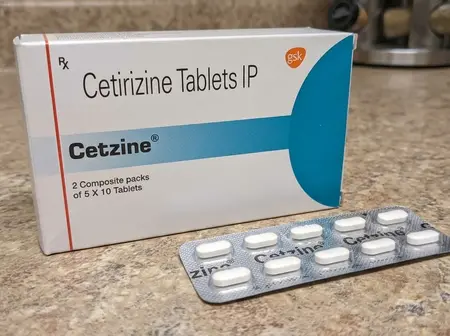
Pharmacy and Poisons Board cautions public against unapproved use of Cetirizine amid misleading health claims
The Pharmacy and Poisons Board (PPB) has warned Kenyans against misusing cetirizine following the circulation of misleading claims on social media suggesting that the allergy medication can be used to cause vaginal dryness or achieve vaginal tightening.The Board cautioned against inserting cetirizine tablets into the vagina, warning that the practice could expose users to health complications.
-
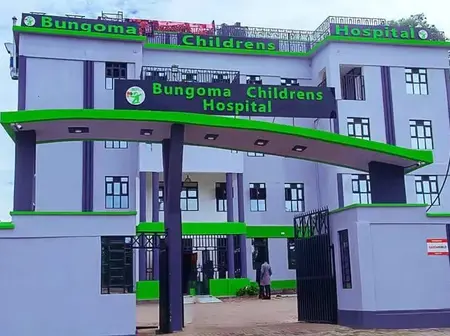
Hospital in Bungoma pledges transparency after three-year-old girl dies during surgery
Bungoma Children's Hospital has expressed condolences to the family of three-year-old Leila Mutenyo, who died during an adenotonsillectomy procedure at the facility, pledging full cooperation with investigations into the incident.
The hospital's director, Dr Dickens Lubanga, said the facility deeply regretted the loss and was committed to supporting the bereaved family as it seeks answers surrounding the child's death.
Dr Lubanga said a post-mortem examination conducted in the presence of a pathologist appointed by the family established sudden cardiac arrest during the operation as the primary cause of death.
He said the findings, together with the medical and procedural records, would inform a comprehensive internal review aimed at establishing the circumstances surrounding the incident.
"We wish to express our deepest sympathy and sincere condolences to the family. The loss of a young child is a profound tragedy and our entire hospital community shares in their grief," Dr Lubanga said.
He maintained that established clinical protocols were observed before and during the procedure, which was conducted by an experienced medical team comprising a senior ear, nose and throat (ENT) surgeon with more than 20 years of experience and an equally experienced anaesthesiologist from a national referral hospital.
Dr Lubanga said the hospital would continue cooperating with relevant regulatory authorities and investigative agencies to ensure transparency and help the family understand what happened.
"We stand unreservedly with the family during this difficult moment and remain committed to offering every possible assistance to help them find clarity, understanding and closure," he said.
The hospital said it would uphold patient safety standards while reviewing the circumstances surrounding the incident.
However, the child's father, Johnson Wafula, alleged that Leila had been taken to the facility for a medical check-up before she died during the procedure.
Wafula said the family wanted to understand how the toddler died during the medical procedure.