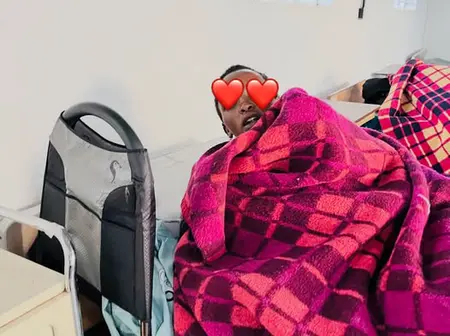
Kenyan mother has drawn attention after walking more than eight kilometres while in labour to reach a health facility, where she safely delivered her baby in the early hours of the morning.
The woman arrived at the clinic at around 4am after making the difficult journey because of the distance between her home and the nearest medical facility.
According to medic Ntini, who attended to her, the mother arrived without baby clothes or the basic supplies needed after delivery. The medical team had to improvise to ensure the newborn was kept warm.
With no baby clothes available, Ntini used a shuka to wrap the child. The simple solution helped provide warmth as the mother and newborn received attention following the delivery.
Fortunately, both were reported to be doing well after the birth, bringing relief after what had been a difficult night for the mother.
However, the medic said it was not only the woman's long walk that stayed with him. He was particularly moved by her faith and the way she prayed throughout the experience.
Ntini recounted that the mother repeatedly called on God as she endured labour and made her way to the facility. Her prayers continued during the difficult moments leading up to the delivery.
After the baby was born safely, the woman's response changed from prayer to heartfelt praise and worship. The moment left a lasting impression on the medic, who shared the experience online.
"What a beautiful moment to witness. A mother who walked five miles in labour, welcomed her baby safely and responded with worship," Ntini shared.
The mother's experience has also drawn attention to the difficulties faced by women in remote areas who have to travel long distances to access maternity services.
For expectant mothers, reaching a health facility during labour can be challenging when transport is unavailable or medical centres are far from home. In this case, the woman managed to make the journey and receive assistance before giving birth.
The medic's account highlighted both the mother's determination and the need for accessible maternal healthcare, particularly for families living far from health facilities.
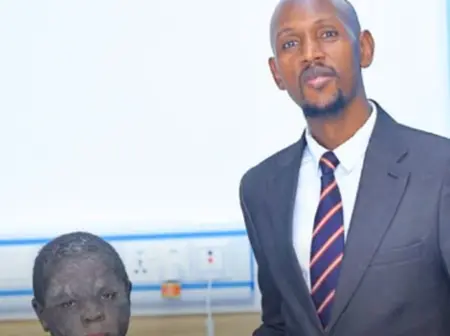
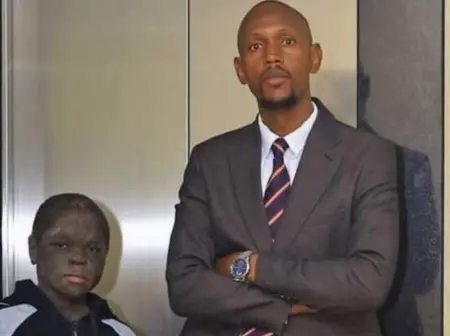
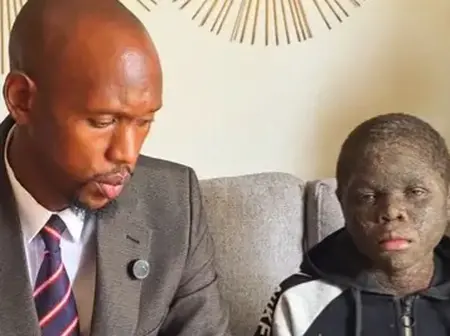
Seventeen-year-old Bryson Makokha, whose emotional story of struggling with a painful skin condition touched the hearts of many Kenyans, has been admitted to Luton Hospital along Ngong Road in Nairobi for medical assessment.
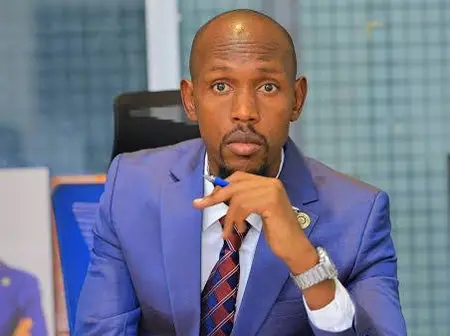
Former Nairobi City County Chief Officer Geoffrey Mosiria shared the update on Thursday, November 12, revealing that the teenager would undergo a series of medical tests to establish the exact nature of his condition before doctors begin treatment.
Mosiria assured Bryson and his family that he would remain involved throughout the treatment process, expressing his commitment to helping the teenager recover.
"Tonight, we admitted the young boy to Luton Hospital along Ngong Road, where he will undergo a series of tests to establish exactly what he is suffering from before treatment for his skin disease can begin," Mosiria stated.
He added in Swahili that he would walk with the teenager throughout his recovery journey, promising continued support until he gets better.
Bryson, who comes from Lukhuna in Chwele, Bungoma County, has reportedly struggled with the skin condition for approximately eight to nine years. The illness affects his face and body, with symptoms becoming worse during extreme weather conditions.
His situation attracted widespread attention after content creator Minister Zido shared a video showing him crying by the roadside while selling bananas at KSh 5 each. The teenager was reportedly trying to raise money to purchase painkillers to manage his discomfort.
Beyond the physical pain, Bryson has experienced social discrimination, with some customers allegedly refusing to purchase his bananas because they feared his condition could be contagious. He also faced challenges at school.
His family has struggled financially while seeking medical assistance. According to the account shared, his father sold their family cow and leased out land to raise money for treatment. His mother's two-month hospitalisation also placed additional pressure on the household.
Following the viral video, Mosiria publicly pledged to take responsibility for the teenager's medical needs. Comedian and philanthropist Eric Omondi also visited Bryson in Bungoma and launched a fundraising appeal that reportedly raised more than KSh 500,000 within hours. The contributions were intended to support his healthcare, education, housing and a family business.
Meanwhile, Mosiria announced a free public event scheduled for Sunday, November 15, at KCB Rugby Grounds next to KCA University along Thika Road. The gathering aims to raise awareness and mobilise support for Bryson and other marginalised members of society.
Kenyans have welcomed the latest hospital update, with many praising those who have stepped forward to assist the teenager and urging the public to treat him and his family with compassion and dignity.
Former Nairobi City County Chief Officer Geoffrey Mosiria announced the admission on Thursday, November 12, saying the 17-year-old would undergo several medical tests before doctors decide on the appropriate treatment.
Mosiria said he would support Bryson throughout the process, expressing hope that the teenager would eventually recover.
The boy, from Lukhuna village in Chwele, Bungoma County, has reportedly struggled with the condition for eight to nine years. It affects his face and body, with the symptoms becoming more severe during extreme weather.
His condition has also made life difficult outside the hospital. Some people have reportedly avoided buying bananas from him, fearing they could contract the same illness.
Bryson recently attracted public attention after a video showed him crying by the roadside while selling bananas at KSh 5 each to raise money for painkillers.
The footage, shared by content creator Minister Zido, touched many Kenyans, prompting calls for assistance.
His family has faced serious financial difficulties while trying to secure medical care. His father reportedly sold their family cow and leased out their land to raise money for treatment. His mother also spent two months in hospital, adding to the family's financial struggles.
Mosiria stepped in after learning about the teenager's situation and pledged to help meet his medical needs.
Comedian Eric Omondi also travelled to Bungoma to visit Bryson and launched a fundraising drive that collected more than KSh 500,000 within hours. The money was meant to support the boy's treatment, education, housing and his family's business.
In his latest update, Mosiria also announced a free event on Sunday, November 15, at KCB Rugby Grounds next to KCA University along Thika Road.
The gathering will bring people together to support Bryson and other vulnerable members of society.
Following the hospital admission announcement, Kenyans took to social media to praise those who had offered assistance, with many expressing hope that the teenager would receive
Mosiria confirmed that the teenager had been taken to hospital for further medical assessment as arrangements for his treatment continue. The admission marks an important step in efforts to secure medical attention for Bryson, whose condition has attracted public concern.
Speaking about the teenager's recovery journey, Mosiria pledged to stand by him throughout the treatment process, assuring Kenyans that Bryson would not be left to face his medical challenges alone.
“Tutatembea na huyu mtoto hadi apone,” Mosiria said, expressing his commitment to supporting the teenager until he recovers.
The update comes as plans for a charity event aimed at supporting Bryson and other marginalised groups take shape. The event is scheduled for Sunday, November 15, and will be free for members of the public to attend.
Organisers are expected to use the gathering to mobilise support for vulnerable individuals and communities, with Bryson among those expected to benefit from the initiative.
The charity event also seeks to bring together people willing to contribute towards helping individuals facing difficult circumstances.
Mosiria's involvement in Bryson's case has brought renewed attention to the teenager's need for medical care and support. His latest statement signals continued commitment as the family and those assisting him await the next steps following the hospital assessment.
Further details about Bryson's treatment are expected as doctors complete the necessary tests and establish the appropriate medical approach.
The November 15 event will provide an opportunity for members of the public to show their support for Bryson and other marginalised people through the planned charity initiative.
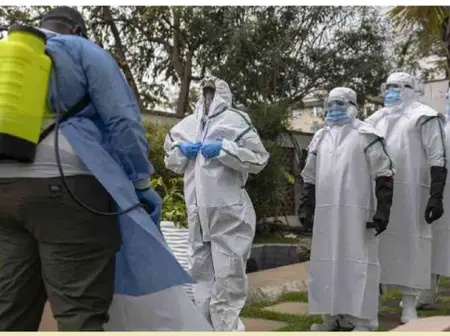
The number of confirmed Ebola cases in the Democratic Republic of Congo has surpassed 11,000, with government data showing 11,042 infections and 5,387 deaths. The outbreak, which began in May, has become one of Africa's largest public health emergencies.
It is caused by the rare Bundibugyo species of the virus, for which there are no approved treatments or vaccines. It is now the second-largest outbreak on record, behind the 2014-2016 West Africa epidemic, which infected more than 28,600 people and killed more than 11,000.
Ituri remains the worst-hit province, with 7,654 cases and 3,613 deaths, according to the CDC, while North Kivu has recorded 2,720 cases and 1,488 deaths. Eight of Congo's 26 provinces are affected, and many deaths have occurred outside treatment centres because of delayed detection and strained health services.
The response has also been hampered by operational problems. Workers at an Ebola treatment centre in Ituri downed tools over four months of unpaid wages, while an elected official in Beni blamed rising cases on a shortage of fuel and funds from the central government.
The threat now extends beyond Congo's borders. Cases have been reported in East, Central and West Africa, giving this outbreak the widest geographic spread of any Ebola outbreak on the continent. Kenya had confirmed eight cases and two deaths by late October, while Nigeria's only confirmed case was evacuated to Switzerland.
There are some signs of progress. The World Health Organization has approved trials for two new Ebola vaccines, and a vaccine trial has begun in Congo.
The reported deaths represent about 49 percent of confirmed cases, although the figure may change as authorities identify more infections and reconcile records. With the virus spreading across borders and no approved vaccine or treatment, sustained funding, reliable payment of health workers and strong regional coordination will be critical to bringing the outbreak under control.
Nairobi County official Geoffrey Mosiria has come to the rescue of young Calystus Simiyu, whose heartbreaking battle with a skin disease has lasted for more than eight years.
The young boy reportedly developed the condition while in Grade 2, when it first appeared on his legs before gradually spreading to other parts of his body. Despite efforts by his family to seek medical assistance, the condition has persisted, leaving them struggling to find a lasting solution.
As his condition worsened, Calystus was forced to abandon school, putting his education on hold. He also faced discrimination because of his appearance, making an already difficult situation even more painful for him and his family.
His story recently attracted attention on social media, prompting Geoffrey Mosiria to intervene after learning about his circumstances.
Mosiria reportedly reached out to the family and arranged for Calystus and his father to travel to Nairobi, where the boy is expected to receive further medical attention.
The intervention has brought renewed hope to the family, which has reportedly spent considerable amounts of money seeking treatment without achieving the desired results.
Mosiria has also appealed to Kenyans of goodwill to support the young boy during this difficult period, expressing hope that he will eventually receive the appropriate medical care and recover.
The appeal has renewed attention on the challenges faced by families raising children with long-term medical conditions, particularly those who cannot afford specialised treatment.
For Calystus, the journey to recovery could also mean an opportunity to reclaim the childhood he lost, return to school and rebuild his confidence after years of suffering and isolation.
Designed to enforce the constitutional right to emergency medical treatment and preserve human dignity, the proposed legislation targets two widespread practices in the public healthcare sector: demanding upfront deposits before administering emergency care, and detaining discharged patients or bodies of deceased relatives over unpaid medical bills.
Under the proposed law, public health facilities will be legally barred from requiring prepayment or proof of financial ability before stabilizing critically ill or injured patients.
Public institutions that turn away emergency cases or delay urgent treatment over admission deposits risk fines of up to KSh 3 million.
Furthermore, the Bill outlaws the detention of recovered patients in wards and prohibits public hospitals and mortuaries from holding bodies hostage to compel families to settle outstanding bills.
Public officers who authorize or facilitate the detention of a body over unpaid fees face personal fines of up to KSh 2 million.
However, legal analysts and lawmakers emphasize two critical caveats for citizens. First, the Bill does not cancel or waive accrued medical debts; public hospitals retain the right to recover unpaid balances through lawful civil channels rather than physical detention.
Second, following parliamentary adjustments, the strict prohibitions apply specifically to public healthcare facilities rather than serving as a blanket ban across private hospitals and private mortuaries.
Inspired by distressing real-life cases—including families unable to bury loved ones for months over million-shilling bills—the Bill aims to ensure life-saving care and dignified burials are never held hostage by poverty.
What are your thoughts about this article? Share your reactions in the comment section and don't forget to share and follow for more updates.
Finding out that you have prediabetes means your blood sugar levels are higher than normal, though not yet high enough to be diagnosed as type 2 diabetes. According to the American Diabetes Association (ADA), having prediabetes raises your risk of heart disease, stroke, and developing type 2 diabetes later in life. Fortunately, doctors at Johns Hopkins Medicine explain that prediabetes can often be reversed by adjusting your daily diet to help your body respond better to insulin and bring your blood sugar back into a healthy range.
You do not need to starve yourself to keep your blood sugar steady. By replacing fast-digesting foods with wholesome, high-fiber options that break down slowly, you can protect your health while still enjoying satisfying meals. Here are 10 common foods to limit and simple swaps you can make every day.
1. Sweetened Sodas, Energy Drinks, and Iced Teas
Sugary soft drinks, energy drinks, and bottled sweet teas are packed with liquid sugar. Because they contain no fiber, protein, or healthy fats to slow digestion, the sugar rushes straight into your bloodstream and causes a sharp glucose spike. Research from the Harvard T.H. Chan School of Public Health shows that drinking just one or two sugary beverages a day can raise your risk of developing type 2 diabetes by 26%.
Instead, follow hydration advice from the Centers for Disease Control and Prevention (CDC) by choosing plain water, sparkling water infused with fresh lemon or mint leaves, unsweetened herbal tea, or black coffee.
2. White Bread, White Rice, and Regular Pasta
Refined white grains lose their fibrous outer bran and nutrient-rich germ during factory processing. Without natural fiber, these starchy foods turn into sugar very quickly in your stomach, forcing your pancreas to work overtime to produce insulin, according to the American Diabetes Association.
To keep your energy steady, swap refined grains for whole grains. Choosing 100% whole-wheat bread, brown rice, rolled oats, quinoa, and barley will help keep your blood sugar balanced throughout the day.
3. Doughnuts, Pastries, and Store-Bought Cakes
Bakery items such as croissants, muffins, cookies, and cakes combine refined white flour with heavy amounts of added sugar and unhealthy fats. Dietitians at Johns Hopkins Medicine warn that eating foods high in both sugar and saturated fat triggers internal inflammation and worsens insulin resistance.
When you want something sweet, reach for a small bowl of fresh berries topped with chopped walnuts, or enjoy a small square of dark chocolate (at least 70% cocoa) paired with a few raw almonds.
4. Bottled and Boxed Fruit Juices
Even cartons labeled as "100% pure juice" lack the helpful skin and pulp found in whole fruit. Both the Centers for Disease Control and Prevention and the American Diabetes Association group fruit juice alongside sugary sodas because a single glass packs the natural sugar of three or four fruits into a fast-absorbing drink.
A much healthier option is to eat whole fresh fruits with the skin on, such as crisp apples, pears, oranges, or berries. Their natural fiber slows down how quickly sugar enters your bloodstream.
5. Sugary Breakfast Cereals
Many colorful boxed cereals marketed as healthy or energizing are made from refined grains coated in syrup or white sugar. Eating a sweet cereal first thing in the morning causes a rapid blood sugar spike followed by an energy crash that leaves you tired and hungry long before lunch.
Instead, cook plain rolled oats in water or unsweetened milk, and add natural flavor with cinnamon, chia seeds, and fresh fruit slices.
6. Deep-Fried Snacks and Fast Food
French fries, fried chicken, fried dough, and deep-fried street foods soak up large amounts of cooking oil. Diets heavy in unhealthy fats promote insulin resistance and put extra strain on your heart and blood vessels, notes Johns Hopkins Medicine.
Rather than deep-frying, use low-oil cooking methods recommended by the American Diabetes Association, such as baking, roasting, grilling, or air-frying. Oven-baked sweet potato wedges or roasted vegetables still give you a satisfying crunch without excess grease.
7. Cured and Processed Meats
Sausages, bacon, hot dogs, and packaged deli meats contain high levels of salt, saturated fat, and chemical preservatives. A major study led by researchers at the Harvard T.H. Chan School of Public Health and published in The American Journal of Clinical Nutrition found that eating just one daily serving of processed red meat increases the risk of type 2 diabetes by 46%.
Base your meals around fresh, unprocessed proteins recommended by the Centers for Disease Control and Prevention, including grilled fish, skinless chicken, boiled eggs, beans, lentils, and tofu.
8. Fruit-Flavored and Sweetened Yogurts
Plain yogurt offers helpful gut bacteria, calcium, and protein. However, fruit-flavored and sweetened low-fat yogurts often hide as much added sugar as a bowl of ice cream. Health experts at Diabetes UK advise checking nutrition labels carefully and avoiding pre-sweetened tubs at the store.
Buy plain Greek yogurt instead, and stir in mashed berries, ground flaxseeds, or a drop of pure vanilla extract at home.
9. Salty Chips, Crackers, and Pretzels
Bagged potato chips, white-flour crackers, and pretzels offer very little fiber or protein, making it easy to overeat without feeling full. The Centers for Disease Control and Prevention advises limiting these processed snacks because their refined starches raise blood sugar quickly.
For a crunchy snack that supports healthy glucose levels, try air-popped popcorn as suggested by the American Diabetes Association, or enjoy cucumber and carrot sticks with hummus, roasted chickpeas, or a small handful of unsalted nuts.
10. Sweetened Condiments and Bottled Dressings
Ketchup, barbecue sauce, sweet chili sauce, pancake syrup, and creamy bottled salad dressings frequently contain hidden sugars and syrups. Dietitians at Johns Hopkins Medicine point out that pouring sugary sauces over vegetables or lean meats can turn a healthy dish into a high-sugar meal.
Season your meals naturally using fresh garlic, herbs, lemon juice, apple cider vinegar, mustard, fresh tomato salsa, and a drizzle of extra-virgin olive oil.
Putting It All Together
Keeping your blood sugar in a healthy range comes down to simple, consistent habits. One of the easiest ways to build balanced meals is by following the Diabetes Plate Method recommended by the American Diabetes Association. Fill half of your plate with non-starchy vegetables like spinach, cabbage, broccoli, and bell peppers, add lean protein to one quarter, and place high-fiber whole grains or beans in the final quarter. Small daily swaps like these give your body the steady nourishment it needs to reverse prediabetes and protect your long-term health.
Note: This information is for educational purposes only and should not be used as a substitute for professional medical advice. Always speak to your doctor or registered dietitian before making any major changes to your diet or health routine.
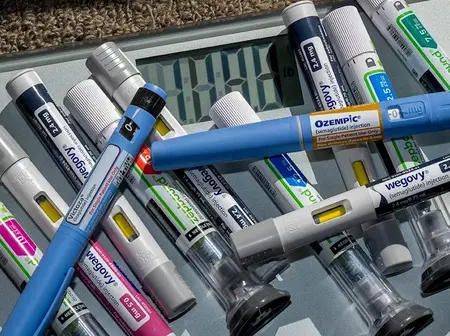
Kenyan digital content creator Kelvin Kinuthia has reacted humorously to a new safety alert issued to users of popular weight-loss injections, including Ozempic and Mounjaro, over a rare eye condition linked to permanent vision loss.
Responding to a social media post detailing the advisory from the United States Food and Drug Administration (FDA), Kinuthia made light of the health warning with a witty remark.
“Eeiiyy nionge kwa kusimama ama kwa kuketi,” Kinuthia commented, sparking immediate engagement from followers familiar with his public weight-loss transformation.
Kinuthia’s reaction drew widespread attention because he has openly documented his use of medical procedures and injectable treatments to shed weight over the past several years. On October 20, 2026, the creator shared before-and-after photos comparing his physique from October 2023 to October 2026, revealing that his weight had dropped from 148kg to 112kg.
Crediting local clinic Nure Aesthetics for supporting his recent progress, Kinuthia disclosed on October 5, 2026, that Mounjaro injections helped him lose 10kg within a single month, bringing him down from 125kg to 115kg. Prior to Mounjaro, he documented losing 5kg during his first week on Ozempic shots in May 2025, following an earlier gastric balloon procedure in 2022.
The FDA has instructed manufacturers of popular GLP-1 medications—including Ozempic, Wegovy, Mounjaro, and Zepbound—to update their safety labels to warn patients about nonarteritic anterior ischaemic optic neuropathy (NAION). This rare medical condition is caused by reduced blood flow to the optic nerve and can trigger sudden, painless vision loss, typically affecting one eye.
While clinical reviews noted a slightly higher rate of reported cases among GLP-1 users compared to control groups, regulators emphasized that the condition remains rare and does not affect the vast majority of patients. Users experiencing sudden vision changes, blurred eyesight, or blind spots are urged to seek immediate medical care, and patients are advised to consult their doctors before altering or discontinuing prescribed treatments.
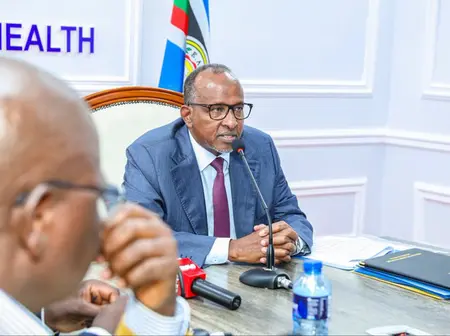
Health Cabinet Secretary Aden Duale officially confirmed that all seven patients who contracted the virus have successfully recovered and returned home to their families.
The breakthrough moment follows a series of successful discharges, beginning with the first group of patients leaving healthcare facilities and paving the way for a disease-free horizon.
Adding to the positive trajectory, the Ministry of Health verified that all 135 individuals identified as primary or secondary contacts of the imported case have completed their mandatory 21-day follow-up monitoring.
Health authorities emphasized that no remaining contacts are currently under quarantine, highlighting the effectiveness of rigorous contact-tracing and rapid response measures.
With all active cases resolved and zero ongoing community transmission recorded within the cluster, the nation has officially commenced a crucial 42-day countdown.
Should no new infections emerge during this observation window, the World Health Organization and local health authorities are poised to officially declare Kenya entirely Ebola-free.
Despite the remarkable progress, the government has stressed that heightened vigilance, border screening, and emergency readiness will remain active across all entry points to safeguard public safety.