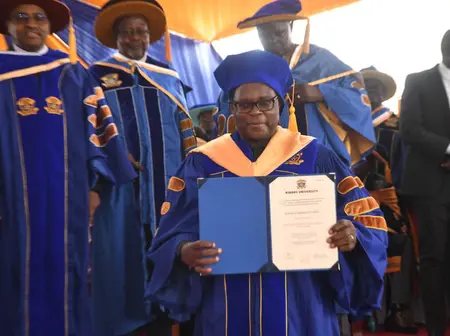
It is a full circle for Bungoma Governor Ken Lusaka who has, within three decades, morphed from a junior civil servant to stamp his presence on the national stage.On November 20, Lusaka was awarded an honorary doctorate degree by the Kibabii University during its 11th graduation ceremony, adding to the many feathers he continues to acquire in the public space.
Category: Education
-
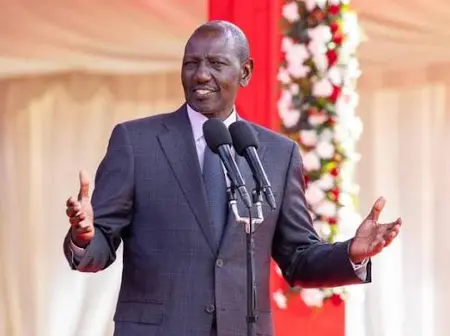
KUPPET Rejects Ruto’s School Model Plan, Issues Fresh Demands for Junior Schools
The Kenya Union of Post Primary Education Teachers (KUPPET) has renewed its opposition to President William Ruto’s Comprehensive School Model, demanding separate leadership structures for junior secondary schools.
The union wants Grades 7 to 9 to operate under independent principals and deputy principals rather than remain under primary school headteachers, arguing that the arrangement fails to recognise the secondary-level curriculum delivered by junior school teachers.
KUPPET Secretary General Akelo Misori and Chairman Mboko Milemba restated the union’s position during its 2026 annual conference in Diani, Kwale County, where they challenged the proposed management structure.
Milemba warned that the model could have consequences beyond teachers’ working conditions, potentially affecting learners.
“This model should be rethought by all means necessary. It is not only unfair for our teachers on very many elements, but its repercussions will mostly be felt by the learners,” he stated.
The union maintains that although primary and junior secondary schools can share physical facilities to reduce infrastructure costs, they should not necessarily operate under one management structure.
The disagreement comes as President Ruto pushes for a comprehensive education system bringing together pre-primary, primary and junior secondary institutions under a single administration.
On November 11, the president directed the Ministry of Education to prepare proposals for amendments to the Basic Education Act within 90 days. The proposed legal changes are expected to establish a framework covering the governance, staffing and financing of comprehensive schools.
Under the arrangement, primary school headteachers would serve as overall administrators, overseeing junior secondary sections with support from deputies and other management structures. The government has also proposed consolidating primary and junior school capitation funding.
However, KUPPET argues that placing junior schools under primary headteachers could restrict promotion opportunities for post-primary teachers and complicate their movement between junior and senior secondary institutions. It has also questioned whether the existing education laws provide sufficient legal backing for the model.
Beyond the administrative dispute, the union has demanded increased teacher recruitment to address staffing shortages. It noted that 24,000 teachers had secured permanent and pensionable employment, with another 20,000 expected to be recruited. KUPPET, however, wants at least 116,000 additional teachers hired next year.
The union's position differs from that of the Kenya National Union of Teachers (KNUT), which supports the comprehensive model. KNUT argues that unified administration could improve coordination and eliminate duplication of management structures.
The competing positions leave the government facing a disagreement among teachers' unions as it prepares the proposed legal changes.
Source
-
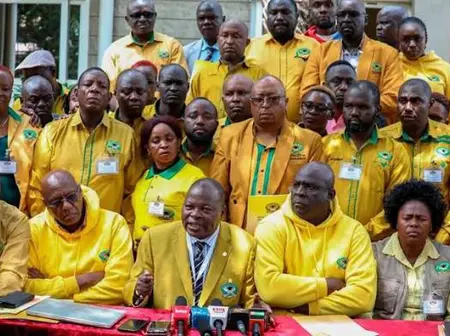
KUPPET Issues Fresh Demands to Ruto Over Junior Secondary Schools
The union argues that placing Grades 7, 8 and 9 under the direct administration of primary school headteachers does not reflect the nature of education offered at the junior secondary level. It wants the institutions to be headed by principals with experience in secondary education.
The position was reiterated during KUPPET's 2026 annual conference in Diani, where union officials raised concerns about the possible consequences of the Comprehensive School Model on teachers and learners.
Secretary General Akelo Misori and national chairman Mboko Milemba maintained that junior schools should have distinct administrative structures, including substantive principals and deputy principals.
Milemba warned that adopting the proposed arrangement without addressing the union's concerns could create challenges for teachers and affect the quality of learning. He called for a review of the model before its full implementation.
The disagreement comes as President William Ruto pushes for an education structure that brings pre-primary, primary and junior secondary sections together under one administration.
On November 11, 2026, the President instructed the Ministry of Education to prepare proposed amendments to the Basic Education Act within 90 days. The planned changes are expected to establish a legal framework covering the management, staffing and financing of comprehensive schools.
Under the proposed arrangement, primary school headteachers would oversee the entire institution, including its junior secondary section, with assistance from deputies and other administrators.
The government has also proposed combining capitation funding for primary and junior secondary sections to simplify financial management. Ruto further directed that school funds should be released before the beginning of academic terms from 2027.
However, KUPPET believes that bringing the institutions under one administration could undermine the professional identity of junior secondary teachers.
The union is particularly concerned about career progression, arguing that the proposed structure could restrict promotion opportunities for post-primary teachers and complicate transfers between junior and senior secondary institutions.
It has also questioned whether the existing education laws provide sufficient legal backing for the comprehensive school arrangement, raising concerns that need to be addressed before the model is implemented.
Beyond the management dispute, KUPPET has called for a major increase in teacher recruitment to address staffing gaps across the country.
The union acknowledged that 24,000 teachers had secured permanent and pensionable employment, with another 20,000 expected to be recruited. Nevertheless, it maintains that the country needs at least 116,000 additional teachers next year to ease the pressure on schools.
Interestingly, KUPPET's position differs from that of the Kenya National Union of Teachers (KNUT), which has supported the government's proposed structure.
KNUT argues that placing the three education levels under one management system could improve coordination and reduce the duplication of administrative responsibilities.
The differing positions of the two major teachers' unions present another challenge for the government as it prepares the proposed legal changes.
At the centre of the debate is how Kenya should manage junior secondary education while protecting teachers' career progression, maintaining effective school leadership and ensuring learners receive quality education.
https://www.facebook.com/share/1AEYdAPbS4/
-

University Graduate Who Cleaned Houses to Survive Earns First-Class Degree
Victoria Igboanugo has inspired many after graduating with First Class Honours despite facing financial difficulties, that forced her to work as a house cleaner while pursuing her university education.
The Nigerian graduate studied Food Science and Technology at Nnamdi Azikiwe University, where she balanced demanding academic responsibilities with jobs that helped her meet her daily expenses.
Her journey to university was not an easy one. Victoria sat the Joint Admissions and Matriculation Board (JAMB) examination four times before securing admission. She reportedly averaged 240 points across her attempts.
She had initially hoped to pursue medicine but eventually changed direction and settled on Food Science and Technology.
Once admitted, financial challenges became part of her daily life. Rather than abandon her studies, Victoria took up house-cleaning jobs to support herself while attending lectures and completing academic assignments.
One particularly difficult experience involved cleaning a two-bedroom apartment on the night before an examination. She was still recovering from an illness and had not adequately prepared for the test.
However, she could not afford to turn down the job because she needed the money to cover her expenses. She recalled praying for strength to complete the work and still find time to study before the examination.
Despite the pressure of combining work and education, Victoria maintained an impressive academic record throughout her university studies.
She completed 88 courses over 10 semesters without failing a single course or having to repeat any unit. Her consistency eventually earned her a First Class Honours degree.
The achievement was made even more significant by the two awards she received as the best graduating student.
Her experience highlights the challenges faced by students who must find ways to finance their education while keeping up with academic demands.
Victoria's story has also drawn attention to the sacrifices she made to complete her studies, showing how she remained committed to her education, even when financial circumstances made the journey difficult.
LINK: https://www.tuko.co.ke/world/africa/647557-university-graduate-cleaned-houses-survive-bags-class-shares-experience/?fbclid=IwZXh0bgNhZW0CMTEAcGRvZgRzcnRjBmFwcF9pZA80MDk5NjI2MjMwODU2MDkAAR-fYBkLvNbG_nsxOrqxMtrI6-jJHZrE-7HDtBOh82e_0XplBPAJcYlRmbsXkA_aem_PK0CZHYiex4OI4zQ_yidBw
-

Life After Form Four: Important Decisions Every KCSE Leaver Should Make Before Starting the Next Cha
Completing Form Four is a major achievement for every student. After years of attending classes, completing assignments, sitting examinations and preparing for the Kenya Certificate of Secondary Education (KCSE), thousands of young people are now preparing to enter a new chapter of life.
For many students, completing secondary school comes with excitement and a sense of freedom. However, this period also comes with important decisions that could influence their future.
While some students already have plans to join universities and colleges, others are still uncertain about what to do next. Some may also face financial challenges that make it difficult to continue with their education immediately.
Regardless of the circumstances, every Form Four leaver should understand that completing secondary school is not the end of the journey but the beginning of new opportunities.
Making the Right Career Choices
One of the most important decisions students must make after Form Four is choosing their career path.
Students should avoid selecting courses simply because their friends are pursuing them. Instead, they should consider their interests, abilities, academic performance and available opportunities.
There are several pathways available, including universities, colleges, Technical and Vocational Education and Training (TVET) institutions and other professional training programmes.
Students should also seek guidance from parents, teachers and career advisers before making important decisions.
Avoiding Negative Peer Pressure
Life after secondary school comes with increased freedom and independence. However, young people must learn how to use this freedom responsibly.
Some students may find themselves surrounded by friends who encourage irresponsible behaviour, including excessive drinking, drug abuse and other destructive activities.
It is important to understand that not every friendship contributes positively to personal development.
Young people should associate with individuals who encourage them to pursue their goals, develop useful skills and make responsible decisions.
Protecting your future is more important than trying to impress friends.
Using the Holiday Productively
The period after completing Form Four provides an opportunity for students to discover new interests and develop practical abilities.
Instead of spending the entire holiday sleeping, partying or browsing social media, students can participate in productive activities.
They can volunteer in their communities, assist in family businesses, engage in farming activities or learn basic computer skills.
Such activities can help young people develop discipline, confidence and a better understanding of the responsibilities that come with adulthood.
Learning Skills Beyond the Classroom
Academic qualifications are important, but practical skills are equally valuable in today's changing world.
Young people should consider learning skills such as computer applications, digital marketing, electrical installation, mechanics, tailoring, agriculture and entrepreneurship.
These skills can provide additional opportunities, especially for students who may not immediately proceed to university or college.
TVET institutions also offer practical training programmes that can help young people develop technical abilities and prepare for different employment opportunities.
Understanding the Importance of Financial Discipline
Another important lesson Form Four leavers should learn is how to manage money.
Young people should develop a saving culture and understand the importance of budgeting.
They should avoid unnecessary spending and learn to appreciate the value of hard work.
Even small savings can help develop financial discipline at an early age.
Those interested in entrepreneurship can also use this period to learn how businesses operate and identify possible opportunities within their communities.
Respecting Parents and Guardians
Behind every student who successfully completes secondary school, there are often parents and guardians who have made significant sacrifices.
Some have struggled financially to pay school fees, purchase learning materials and provide other necessities.
Students should therefore appreciate these efforts and maintain good relationships with their families.
Parents and guardians also have an important role to play in guiding young people as they make decisions about their future.
Your KCSE Results Do Not Define Your Entire Future
Examination results are important because they help determine some of the educational opportunities available to students.
However, students should not allow their results to destroy their confidence or discourage them from pursuing their dreams.
There are different pathways to success, including higher education, technical training, entrepreneurship and other professional opportunities.
A student who does not achieve the expected grades should seek guidance and explore alternative opportunities rather than giving up.
Success is not achieved through one examination alone. It requires determination, discipline, patience and continuous learning.
A Message to Every Form Four Leaver
As thousands of young people prepare for life after secondary school, one important message should remain clear: the decisions you make today can influence the opportunities available to you tomorrow.
Do not rush into adulthood without direction. Avoid negative influences, respect your family, develop useful skills and remain committed to your dreams.
Whether you proceed to university, join a TVET institution, start a business or take another productive path, remember that your future is worth protecting.
Your background, financial circumstances or KCSE results should not prevent you from exploring opportunities that can improve your life.
What advice would you give to students who have just completed Form Four? Share your thoughts in the comments section.
-
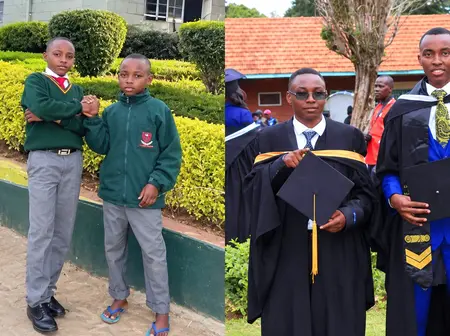
Kenyan Friends Who Met as Form One Students Graduate Together, Share Throwback Photos
Two friends who first met as Form One students at Tenwek High School in 2018 have celebrated a major milestone after graduating together from Maseno University, bringing an eight-year friendship story full circle.
Pascal and Kiptoo's journey began with a simple act of kindness that brought the two teenagers together when they were new students at the Bomet-based school.
What started as an ordinary encounter gradually developed into a close friendship that would survive the demands of high school, university life and the changes that came with growing up.
Their recent graduation brought back memories of their early days at Tenwek, with the two sharing photographs that captured how much had changed over the years.
One of the pictures showed them posing together as Form One students in front of a sign bearing the words, "Welcome to university via Tenwek High School."
At the time, the message was simply part of the school's welcome signage. Years later, however, it carried a special meaning as the friends stood together in their graduation attire after completing their university studies.
The comparison between their first photograph and the latest one also revealed an amusing change in their physical appearance.
In the original picture, one of the boys, who was shorter, stood beside his taller friend. In their graduation photograph, the situation had changed, with the once shorter student now appearing taller.
The unexpected height reversal added a humorous touch to their reunion pictures, drawing attention to how much both friends had changed since their teenage years.
Their story has resonated with social media users, particularly those who have maintained friendships dating back to school.
For Pascal and Kiptoo, the graduation was not just the end of their university journey but also a reminder of a friendship that began with a small gesture and grew through different stages of their education.
Eight years after meeting as strangers in a high school classroom, the two friends have now crossed another important milestone side by side.
LINK: https://www.tuko.co.ke/people/family/647544-maseno-university-strangers-met-form-graduate-8-year-friendship/?fbclid=IwZXh0bgNhZW0CMTEAcGRvZgRzcnRjBmFwcF9pZA80MDk5NjI2MjMwODU2MDkAAR9YhF6ONe_k6Holf2AamIpeHkR8z8qqJdcEDawrA0j_ssfPb3xeLuxOZ9mgEg_aem_WMMpJr9mF51MvOzn4ofOgg
-
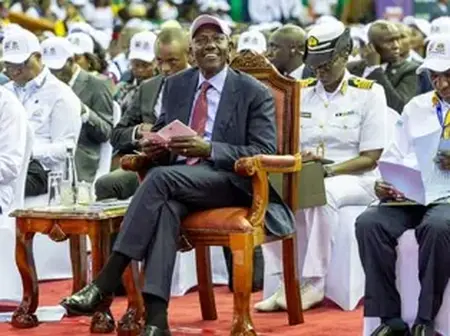
KUPPET Rejects Ruto’s Comprehensive School Model, Demands Independent Junior Secondary Schools
(Photo courtesy)
The Kenya Union of Post Primary Education Teachers (KUPPET) has rejected President William Ruto’s Comprehensive School Model, renewing calls for Junior Secondary Schools (JSS) to operate independently under separate administrations.
Speaking during the union’s 2026 annual conference in Diani, KUPPET Secretary General Akelo Misori and Chairman Mboko Milemba opposed the proposed arrangement, arguing that placing Grades 7, 8 and 9 under primary school headteachers would undermine the identity and administration of junior secondary education.
The union wants junior secondary schools to have their own substantive principals and deputy principals with relevant secondary school management experience, instead of being managed by primary school headteachers.
President Ruto’s Comprehensive School Model seeks to bring pre-primary, primary and junior secondary education under one administration to improve coordination and reduce duplication of management structures.
On November 11, 2026, the President directed the Ministry of Education to prepare proposals for amendments to the Basic Education Act within 90 days to provide a legal framework for the governance, staffing and financing of comprehensive schools.
The proposed arrangement also seeks to consolidate primary and junior school capitation funding under a common financing framework, with funds expected to be released before the beginning of school terms from 2027.
However, KUPPET maintains that sharing school compounds should not mean merging administrations or erasing the distinct identity of junior secondary schools.
Chairman Mboko Milemba argued that the model is unfair to teachers, warning that learners would ultimately bear the greatest consequences of the proposed changes.
The union also raised concerns that the arrangement could limit promotion opportunities for post-primary teachers and complicate their movement between junior and senior secondary schools.
KUPPET further questioned the legal validity of the comprehensive school arrangement, arguing that existing education laws do not recognise such institutions and that constitutional concerns surrounding the model remain unresolved.
On teacher shortages, the union demanded the recruitment of at least 116,000 additional teachers next year to address staffing gaps in schools.
The demand comes as 24,000 teachers have already secured permanent and pensionable employment, with another 20,000 expected to be recruited.
KUPPET's position differs from that of the Kenya National Union of Teachers (KNUT), which supports President Ruto's proposal, arguing that unified school administration would improve coordination and reduce duplication of management structures.
https://www.kenyans.co.ke/news/129587-kuppet-intensifies-push-break-jss-primary-school-administration
-
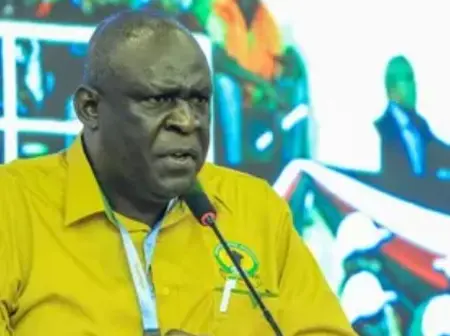
KUPPET Declares War on Ruto’s Comprehensive School Model, Demands JSS Break Away From Primary Heads
The Kenya Union of Post Primary Education Teachers (KUPPET) has rejected President William Ruto's Comprehensive School Model, renewing demands that junior secondary schools be managed independently of primary schools.
Speaking at the union's 2026 annual conference in Diani, KUPPET said placing Grades 7 to 9 under primary school headteachers ignores the secondary-level curriculum taught in junior schools.
Secretary General Akelo Misori and Chairman Omboko Milemba want separate administration led by principals with secondary education experience.
"This model should be rethought by all means necessary," Milemba said, warning that learners would bear most of the consequences.
The union says sharing primary school compounds to cut infrastructure costs should not mean merging management or erasing junior schools' distinct identity.
Misori also questioned the legal footing of the model, arguing that the Constitution provides for distinct levels of education.
"Comprehensiveness applies to the curriculum, not school governance," he said, adding that running the structure without a constitutional amendment amounts to trial and error.
He compared the arrangement to Kenyatta University Primary School, which he said runs independently within a university compound.
Ruto, speaking at the close of the Kenya Comprehensive Schools Heads Association conference in Mombasa this month, directed the Ministry of Education to work with the association on proposals to amend the Basic Education Act and give comprehensive schools a firm legal framework.
KUPPET leaders recently met the National Assembly Departmental Committee on Education, chaired by Tinderet MP Julius Melly, to push for independent governance of junior schools.
The dispute has reached Parliament through the Basic Education Bill, 2026, which proposes entrenching the comprehensive-school model in law.
KUPPET wants references to comprehensive schools removed.
The Kenya National Union of Teachers (KNUT) backs the integrated model, warning against "two centres of power" in one compound, as do the primary school heads' association KEPSHA and the county secondary heads' association KECSHA.
The two unions have also clashed for years over who should represent junior school teachers, a debate Misori dismissed as a political distraction.
The Ministry had not publicly responded to the latest demands at the time of publication.
Link:
https://www.facebook.com/share/14tqJZmAjpD/
-
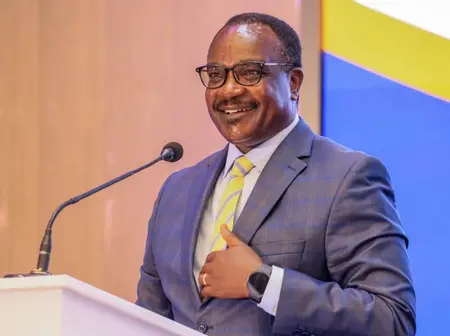
CS Ogamba Reveals How Students Will Repay Loans Under Proposed Changes
Education Cabinet Secretary Julius Ogamba announced that the proposed changes are contained in the Tertiary Education Funding Bill, 2026, which seeks to make university education more accessible, particularly for learners from financially disadvantaged backgrounds.
Speaking during the second graduation ceremony at Bureti National Polytechnic in Kericho County on Sunday, November 22, Ogamba said the proposed legislation would move away from a system that heavily considers parents' financial abilities when determining the assistance students receive.
Under the proposed arrangement, funding decisions would focus on individual students and their financial needs rather than the economic status of their families.
The CS also disclosed plans to introduce more flexible loan repayment terms, giving graduates a one-year grace period after securing employment before they begin repaying their student loans.
Once repayment starts, beneficiaries would be allowed to clear their loans over a period of 10 years.
Ogamba explained that the proposed changes would also make it easier to mobilise additional resources for higher education, including support for students enrolled in expensive programmes such as medicine.
He argued that treating student financing as an investment would encourage more institutions and individuals to contribute towards university education alongside government funding.
The Education CS expressed confidence that the proposed framework would ease the financial burden on families and reduce the risk of students abandoning their studies because of school fees.
Ogamba Highlights Major Change in Examination Printing
During the same address, Ogamba celebrated Kenya's decision to print national examinations locally, describing the development as an important achievement for the country's education sector.
He noted that Kenya had depended on foreign countries to produce its national examinations for 63 years, a situation that saw the country spend money outside its borders while local printing industries missed business opportunities.
The CS said the government had facilitated local production of the examination papers, which were subsequently administered successfully.
He described the development as an opportunity to strengthen local industries while retaining more resources within the country.
https://peopledaily.digital/news/govt-announces-introduction-of-new-university-funding-model-to-prioritise-students-needs
-
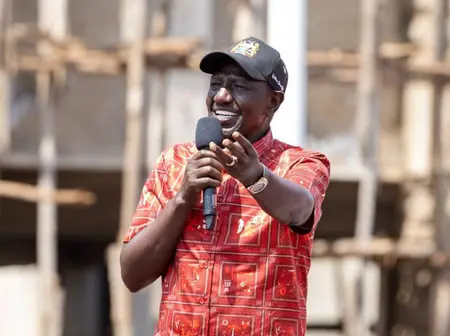
KUPPET Rejects Ruto’s Education Plan, Renews Demand for Independent Junior Secondary Schools
The union argues that placing Grades 7, 8 and 9 under primary school headteachers undermines the identity of junior secondary education and fails to recognise the specialised responsibilities of teachers handling the secondary-level curriculum.
Speaking during KUPPET's 2026 annual conference in Diani, Secretary General Akelo Misori and national chairman Mboko Milemba called for junior schools to be headed by principals with experience in secondary education.
Milemba warned that the proposed arrangement could disadvantage teachers and negatively affect learners if the government proceeds without reconsidering its approach.
The union maintains that sharing school facilities to reduce infrastructure costs should not translate into merging the administration of primary and junior secondary sections.
President Ruto has been advocating for a unified education system bringing pre-primary, primary and junior secondary institutions under one management structure.
On November 11, he instructed the Ministry of Education to prepare proposals for amendments to the Basic Education Act within 90 days to establish a legal framework covering governance, staffing and financing of comprehensive schools.
Under the proposed arrangement, primary school headteachers would oversee the entire institution, including junior secondary sections, with assistance from deputies and other administrators.
The President has also proposed combining capitation funding for primary and junior schools to allow institutions to manage resources through a common system. He further directed that school funds should be released before the beginning of terms from 2027.
However, KUPPET fears the model could restrict career progression for post-primary teachers and complicate transfers between junior and senior secondary schools.
The union has also questioned the legal foundation of comprehensive schools, arguing that existing education laws do not adequately provide for the proposed arrangement.
On staffing, KUPPET acknowledged that 24,000 teachers had secured permanent and pensionable employment, with another 20,000 expected to be recruited. Nevertheless, it wants the government to hire at least 116,000 additional teachers next year to address shortages.
The position differs from that of the Kenya National Union of Teachers (KNUT), which supports the comprehensive model, arguing that unified administration could improve coordination and eliminate unnecessary duplication of management roles.
https://www.kenyans.co.ke/news/129587-kuppet-intensifies-push-break-jss-primary-school-administration