The union argues that placing Grades 7, 8 and 9 under primary school headteachers undermines the identity of junior secondary education and fails to recognise the specialised responsibilities of teachers handling the secondary-level curriculum.
Speaking during KUPPET's 2026 annual conference in Diani, Secretary General Akelo Misori and national chairman Mboko Milemba called for junior schools to be headed by principals with experience in secondary education.
Milemba warned that the proposed arrangement could disadvantage teachers and negatively affect learners if the government proceeds without reconsidering its approach.
The union maintains that sharing school facilities to reduce infrastructure costs should not translate into merging the administration of primary and junior secondary sections.
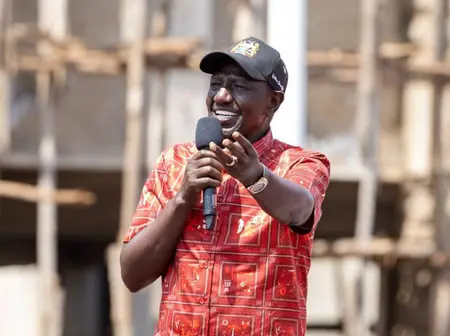
President Ruto has been advocating for a unified education system bringing pre-primary, primary and junior secondary institutions under one management structure.
On November 11, he instructed the Ministry of Education to prepare proposals for amendments to the Basic Education Act within 90 days to establish a legal framework covering governance, staffing and financing of comprehensive schools.
Under the proposed arrangement, primary school headteachers would oversee the entire institution, including junior secondary sections, with assistance from deputies and other administrators.
The President has also proposed combining capitation funding for primary and junior schools to allow institutions to manage resources through a common system. He further directed that school funds should be released before the beginning of terms from 2027.
However, KUPPET fears the model could restrict career progression for post-primary teachers and complicate transfers between junior and senior secondary schools.
The union has also questioned the legal foundation of comprehensive schools, arguing that existing education laws do not adequately provide for the proposed arrangement.
On staffing, KUPPET acknowledged that 24,000 teachers had secured permanent and pensionable employment, with another 20,000 expected to be recruited. Nevertheless, it wants the government to hire at least 116,000 additional teachers next year to address shortages.
The position differs from that of the Kenya National Union of Teachers (KNUT), which supports the comprehensive model, arguing that unified administration could improve coordination and eliminate unnecessary duplication of management roles.
https://www.kenyans.co.ke/news/129587-kuppet-intensifies-push-break-jss-primary-school-administration
Leave a Reply