Category: Economy&Finance

  • PHOTOS: Ruto Launches KSh475 Million Matunda Affordable Housing Project in Kakamega County

    PHOTOS: Ruto Launches KSh475 Million Matunda Affordable Housing Project in Kakamega County

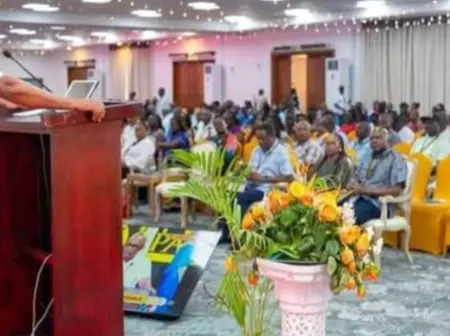
    President William Ruto has laid the foundation stone for the Matunda Affordable Housing Project in Likuyani Constituency, Kakamega County, marking another step in the government's efforts to expand access to decent and affordable housing across the country.

    Speaking about the development, President Ruto highlighted the importance of investing in housing as part of the country's broader development agenda. The initiative is intended to provide more Kenyans with opportunities to own or access decent homes without facing the high costs associated with conventional housing.

    For residents of Likuyani and neighbouring areas, the project could introduce new opportunities beyond homeownership. Construction activities are expected to create employment opportunities for skilled and unskilled workers, including masons, electricians, plumbers, transport operators and suppliers of construction materials.

    The Matunda project also brings attention to the growing demand for affordable housing in Kenya. Many families continue to face challenges associated with high rental costs, limited access to decent accommodation and the increasing price of land and building materials.

    However, the success of such projects will depend on several important factors, including construction quality, transparency, affordability and the criteria used to allocate completed housing units. Kenyans will also be interested in understanding the actual prices, payment arrangements and eligibility requirements.

    The KSh475 million investment represents a significant development undertaking for Matunda. Its long-term impact will ultimately be measured by the number of families who secure decent homes and the economic opportunities created for the surrounding community.

    Do you believe affordable housing projects can help ordinary Kenyan families overcome the rising cost of accommodation? Share your views in the comments.

    https://www.facebook.com/share/1JG4WpWp9r/
  • UK Opens 2027 Fruit and Vegetable Picking Jobs Paying KSh 2,250 Per Hour: How Kenyans Can Apply

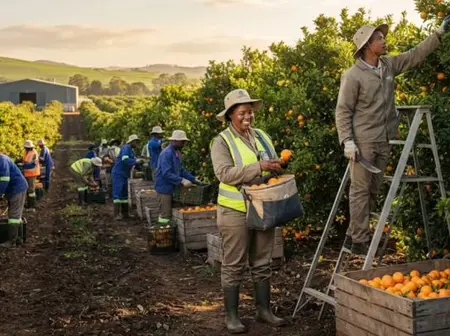
    UK Opens 2027 Fruit and Vegetable Picking Jobs Paying KSh 2,250 Per Hour: How Kenyans Can Apply

    The UK Seasonal Worker visa programme allows foreign nationals to travel to Britain and work on farms involved in harvesting fruits, vegetables and flowers. The programme also provides opportunities in poultry production during the festive season.

    According to the UK government, the 2027 programme has allocated 41,000 places for horticultural workers and 1,900 places for poultry production workers.

    Successful horticultural applicants can work in the UK for up to six months, providing an opportunity for Kenyans interested in temporary overseas employment.

    From April 2027, the minimum hourly wage for workers aged 21 and above is expected to be equivalent to approximately KSh 2,250.

    Workers aged between 18 and 20 will receive a minimum of, approximately KSh 1,920.

    However, actual earnings will depend on working hours and the employment arrangements offered by individual farms.

    Interested applicants must be at least 18 years old and secure employment through an approved UK seasonal worker scheme operator.

    They must also obtain a Certificate of Sponsorship from their employer. Additionally, applicants need a valid passport and must demonstrate that they have at least £1,270 in savings for 28 consecutive days, unless their sponsor agrees to cover the requirement. Kenyans can begin by contacting approved recruitment operators, including AG​​RI-HR, Concordia, Fruitful Jobs, HOPS Labour Solutions and Pro-Force.

    Applicants should be careful when dealing with recruitment agents and avoid paying individuals who promise guaranteed jobs or sponsorship certificates. The Seasonal Worker visa is temporary and does not automatically provide a route to permanent residence in the United Kingdom.

    SOURCE: https://www.facebook.com/share/p/1Qbu4Fes4A/

  • Ruto Revisits 2024 Finance Bill Protests, Claims Kenyans Were Manipulated

    Ruto Revisits 2024 Finance Bill Protests, Claims Kenyans Were Manipulated

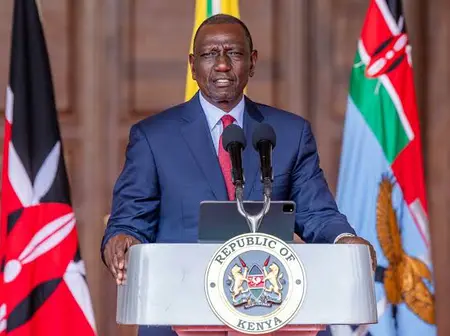
    Speaking during his latest address, Ruto claimed that Kenyans had been manipulated in 2024 through information he described as misleading about the Finance Bill.

    The Head of State argued that the public had been made to believe that the proposed legislation would cause harm to the country, despite his position that the concerns raised were unfounded.

    "You manipulated the people in 2024 using misinformation about a Finance Bill that was eventually passed, and there was no harm to our nation," Ruto stated.

    His remarks have brought renewed attention to the events surrounding the 2024 Finance Bill, which triggered widespread demonstrations across the country.

    The protests were largely driven by opposition to proposed tax measures, with young Kenyans taking to the streets to demand the withdrawal of the legislation.

    Demonstrators raised concerns about the rising cost of living, taxation and the economic impact of the proposed measures on ordinary households and businesses.

    The demonstrations also created significant political pressure on the government, eventually prompting Ruto to announce the withdrawal of the Finance Bill on June 26, 2024.

    His latest comments are likely to reignite public debate about the government's handling of the Finance Bill and the concerns raised by Kenyans during the protests.

    The 2024 demonstrations remain a significant moment in Ruto's presidency, highlighting the relationship between the government and citizens over taxation, accountability and economic policy.

  • KRA Announces December 31 Deadline as Nearly 1 Million Taxpayers Receive KSh 64 Billion Relief

    KRA Announces December 31 Deadline as Nearly 1 Million Taxpayers Receive KSh 64 Billion Relief

    In a media brief released on Monday, November 23, KRA disclosed that 984,489 taxpayers had benefited from the initiative as of November 16, 2026.

    The relief covers KSh 31.9 billion in accumulated interest, KSh 32.5 billion in penalties and KSh 11.5 million in fines.

    The authority said it had collected KSh 29.1 billion in principal taxes from taxpayers who cleared their outstanding obligations to qualify for the waiver.

    The programme gives individuals and businesses an opportunity to settle unpaid taxes without having to shoulder the additional charges that accumulated over the years.

    KRA explained that the process is handled through its iTax platform, meaning eligible taxpayers do not have to fill out a separate application form.

    Once a taxpayer clears the qualifying principal amount, the system automatically removes the related penalties and interest.

    The amnesty applies to tax debts arising from periods ending on or before December 31, 2025. It covers taxes administered under the Tax Procedures Act, CAP 469B.

    Taxpayers involved in disputes with KRA have also been given an opportunity to benefit. However, those whose cases are under objection, Alternative Dispute Resolution, or before the Tax Appeals Tribunal and courts must first conclude the disputes and pay the agreed principal tax within the amnesty period.

    KRA has advised taxpayers who are unsure about their eligibility to log into the iTax portal and review their outstanding obligations.

    They can also visit the authority's offices or seek assistance from Mobile Taxpayer Services Units deployed in different parts of the country.

    The authority further clarified that the waiver does not provide refunds to people who had already paid their penalties or interest before the programme was reintroduced.

    With the deadline approaching, taxpayers have until December 31, 2026, to settle qualifying principal tax debts and benefit from the relief.

    KRA has encouraged both individuals and businesses with unpaid tax obligations to use the remaining weeks to regularise their accounts before the programme closes.

    https://www.facebook.com/100067867727102/posts/1528838879388355/?app=fbl

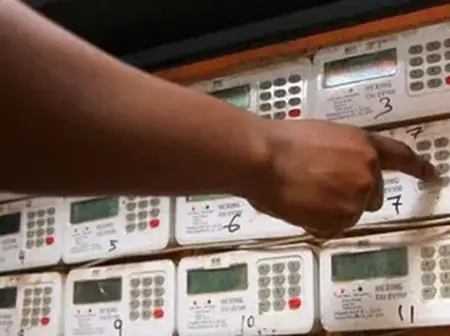
  • Kenya Power Customers Face Additional Electricity Charges as EPRA Announces November Adjustments

    Kenya Power Customers Face Additional Electricity Charges as EPRA Announces November Adjustments

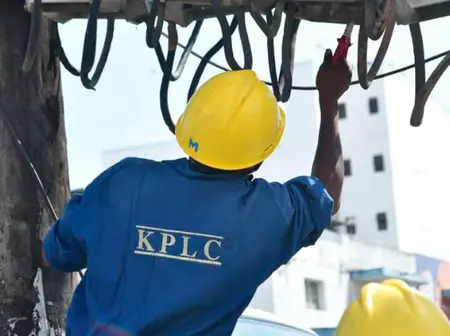
    The changes introduce an additional KSh4.56 for every unit of electricity consumed, potentially increasing the amount households and businesses pay depending on their monthly power usage.

    In three separate Gazette Notices published on November 20, 2026, EPRA outlined the adjustments, which will apply to electricity meter readings taken during November.

    The largest component is the Fuel Energy Cost Charge, which has been set at KSh3.54 per kilowatt-hour (kWh). The charge covers expenses associated with fuel used to generate electricity, particularly at thermal power stations.

    EPRA also introduced a Foreign Exchange Fluctuation Adjustment of KSh1.0031 per unit. This component reflects currency-related gains and losses incurred by electricity sector players, including Kenya Power, KenGen and independent power producers.

    The third adjustment is the Water Resource Management Authority (WRMA) levy, set at KSh0.013606 per unit. It is linked to electricity purchased from qualifying hydropower stations.

    Combined, the three adjustments amount to KSh4.556706 per unit consumed.

    The impact will vary depending on individual electricity consumption. For instance, a household using 100 units in November would incur approximately KSh455.67 in these three additional charges, before other applicable bill components.

    EPRA's announcement comes amid growing public concerns over the cost of electricity and billing disputes involving Kenya Power customers.

    The regulator disclosed that it handled 187 consumer complaints in the year ending June 2026, with billing-related disputes accounting for 72 cases.

    The latest adjustments are therefore likely to attract attention from households and businesses already grappling with electricity expenses as they await their November bills.

    EPRA Announces Three Electricity Price Adjustments on November Bills

  • “I Promised to Revive Nzoia Sugar”: Ruto Announces Major Changes at the Factory

    “I Promised to Revive Nzoia Sugar”: Ruto Announces Major Changes at the Factory

    The President revisited a promise he made three years ago to revive the struggling sugar factory, claiming that the changes introduced have begun addressing some of the challenges previously experienced by farmers and employees.

    Speaking about the progress, Ruto highlighted the new management, regular payments to sugarcane farmers and monthly salaries for workers as key developments in the factory's revival efforts.

    “Three years ago, I promised to revive Nzoia Sugar. Today, we have new management, farmers are receiving payments every week and employees are being paid monthly,” Ruto said.

    His statement places the factory's revival among the government's efforts to address longstanding challenges in Kenya's sugar industry, where farmers have frequently raised concerns about delayed payments, factory operations and the financial difficulties facing sugar mills.

    For farmers supplying cane to Nzoia Sugar, regular payments are particularly important because sugarcane production requires considerable investment in land preparation, planting, fertiliser, labour and transportation.

    Delayed payments can leave farmers struggling to meet household expenses and finance their next agricultural cycle. Weekly payments, if sustained, could therefore provide greater financial predictability for farmers depending on the factory.

    The President also pointed to monthly salary payments for employees, another issue that could affect workers' financial stability and confidence in the factory's operations.

    The introduction of new management is also being presented as part of the changes aimed at improving the company's performance and restoring confidence among farmers, employees and other stakeholders.

    Nzoia Sugar is an important player in Kenya's sugar industry, particularly for communities whose livelihoods depend on sugarcane farming, factory employment and related businesses.

    Ruto's announcement is likely to attract attention from farmers in the region who will be keen to establish whether the reported improvements translate into sustained payments, stronger production and better working conditions.

    However, the President's remarks alone do not provide detailed figures on the factory's financial performance, production levels, outstanding debts or the number of farmers benefiting from the payment arrangement.

    The bigger test for the revival effort will be whether the changes remain consistent and enable Nzoia Sugar to operate sustainably while supporting the farmers and employees who depend on it.

    Source: https://x.com/fourtheyenews/status/2124805009338421606?a=425smGntU8ZHDQ_kXzU&s=19

  • If Kenya is to Grow, we Need to Align and Work Together With Our Neighbours – Trade CS Lee Kinyanjui

    If Kenya is to Grow, we Need to Align and Work Together With Our Neighbours – Trade CS Lee Kinyanjui

    The CS stressed that Kenya's economic future cannot be built in isolation, urging the country to align its interests with those of neighbouring nations and work together to create opportunities for development.

    In a message highlighting the importance of regional partnerships, Kinyanjui said cooperation between countries was necessary to support economic progress and strengthen relationships across the region.

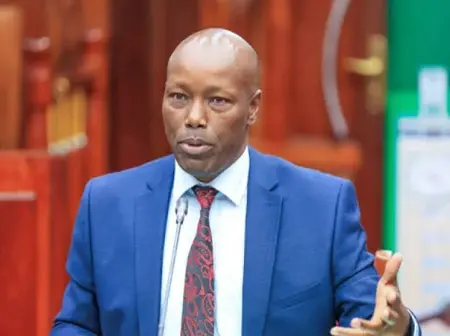
    “If Kenya is to grow, we need to align and work together with our neighbours,” Kinyanjui said.

    His remarks place regional cooperation at the centre of discussions about Kenya's economic future, particularly as countries continue to pursue opportunities in trade, investment, infrastructure and business development.

    Kenya has strong economic connections with several neighbouring countries, making regional relationships important for businesses involved in the movement of goods, services and people across borders.

    Stronger cooperation could help improve trade relations, create opportunities for businesses, support investment and potentially open new markets for Kenyan products.

    The call also highlights the importance of maintaining good relations with neighbouring countries at a time when economic competition and cooperation are both shaping the region's development.

    For traders, manufacturers, farmers and transport operators, regional partnerships can influence the availability of markets, the movement of products and the cost of doing business.

    Kinyanjui's message suggests that Kenya's growth ambitions should be supported by a collaborative approach that recognises the economic interests of countries within the region.

    Rather than treating neighbouring countries only as competitors, his remarks point towards the importance of building partnerships that could benefit businesses and communities on both sides of national borders.

    The statement is also likely to attract attention from Kenyans interested in whether stronger regional cooperation could translate into tangible economic benefits, including improved trade opportunities, investment and employment.

    However, the challenge will be turning the call for cooperation into practical agreements and initiatives that deliver measurable results for businesses and ordinary citizens.

    Regional collaboration requires continued engagement between governments, effective trade arrangements and efforts to address barriers that may limit the movement of goods and economic opportunities.

    Source:https://x.com/fourtheyenews/status/2124766385439986009?a=fNc0kDsuwduV44m19F0&s=19

  • Tuya Launches KSh87 Million Electricity Projects to Connect 250 Households in Narok

    Tuya Launches KSh87 Million Electricity Projects to Connect 250 Households in Narok

    (Photo courtesy)

    Defence Cabinet Secretary Soipan Tuya has announced the launch of two Last Mile Electricity Connectivity projects in Narok County, in a move expected to connect nearly 250 households to the national electricity grid.

    In a statement shared on her official X account, Tuya said she joined Energy and Petroleum Cabinet Secretary Opiyo Wandayi, Narok Governor Patrick Ole Ntutu and other local leaders for the launch at Olenkuya Primary School in Empaash, Narok West Constituency.

    The two projects comprise the Entepes–Empaash–Ilkokoyo Primary Schools electricity line and the Nturumeti–Olemigili–Enturoto line.

    According to Tuya, the two projects have a combined investment of approximately KSh87 million and are expected to extend electricity access to nearly 250 households.

    She explained that connecting rural homes to electricity would improve the lives of residents in several ways, including giving children better conditions to study after dusk and enabling families to use essential household appliances.

    Tuya also noted that electricity connectivity would create new opportunities for local entrepreneurs to expand their businesses, increase productivity and improve their incomes.

    The Defence CS said the projects form part of the government's wider efforts to extend essential infrastructure to underserved communities, stimulate economic activities at the grassroots and improve living standards.

    She added that expanding electricity connectivity across rural communities would support Kenya's ambition of achieving universal electricity access by 2030.

    The latest projects are expected to strengthen access to electricity in the targeted areas of Narok County while supporting education, household activities and small businesses.

    https://x.com/SoipanTuya/status/2124842067977286138?s=19

  • Mosiria Demands Probe Into Burma Market Meat After A Woman Says Her Broth Turned Black While Cooking

    Mosiria Demands Probe Into Burma Market Meat After A Woman Says Her Broth Turned Black While Cooking

    Former Nairobi County Chief Officer Geoffrey Mosiria has called for investigations into the source and safety of meat reportedly bought at Burma Market. His call follows complaints from a woman who doubted the meat after it changed colour during cooking.

    The woman said the meat stayed unusually red even after boiling. She added that the soup turned black while cooking. This made her question the quality and safety of what she had bought.

    Mosiria shared the matter on Instagram on Monday. He said the meat looked very dark and wondered if it came from a donkey or another animal. He insisted that a thorough investigation must establish the animal and whether the meat is fit for human consumption.

    The former official also urged public health and veterinary officers in Nairobi to work without fear of intimidation. He said their duty is to protect public health and not to please people in positions of power.

    Mosiria said he feared some officers face pressure when they try to step into meat businesses. He asked them to remain professional and fair at all times.

    He stressed that Nairobi residents deserve safe and properly inspected meat. According to him public health must never be traded for the interests of business owners. He asked the relevant authorities to find the source of the meat and act on their findings.

    The incident has drawn attention to how meat sold in markets is inspected. Many consumers now wonder whether they can trust the source of the products they buy every day.

    Meat inspection protects ordinary consumers from contaminated or diseased products. Veterinary officers check live animals before slaughter and examine carcasses afterwards to confirm that they are fit for human consumption.

    https://www.facebook.com/share/1FRSofqdkm/?mibextid=wwXIfr

  • EPRA Increases Electricity Tarrifs by 4.56 Shillings Per kWh

    EPRA Increases Electricity Tarrifs by 4.56 Shillings Per kWh

    Kenyans have expressed mixed reactions following a fresh adjustment of electricity charges by the Energy and Petroleum Regulatory Authority (EPRA), which will see consumers pay approximately KSh 4.56 more for every kilowatt-hour (kWh) of electricity consumed during the November 2026 billing cycle.

    The latest development has sparked renewed debate among electricity consumers, with many households and businesses expressing concern about the increasing cost of power at a time when Kenyans are already struggling with the high cost of living.

    According to notices published by EPRA on November 20, 2026, the additional charges comprise three components that collectively increase electricity costs by KSh 4.5567 per unit.

    The regulator explained that the fuel charge is intended to recover expenses associated with electricity generation, particularly from thermal power plants that rely on diesel and other fuel sources.

    The foreign exchange adjustment, on the other hand, accounts for currency-related costs affecting electricity sector players, including Kenya Power, KenGen and independent power producers.

    However, the latest adjustment has raised concerns among consumers who argue that frequent increases in electricity costs are placing additional pressure on household budgets.

    Small business owners are also likely to feel the impact, particularly those operating businesses that depend heavily on electricity, including hotels, manufacturing companies, salons and retail establishments.

    On the other hand, some consumers have called for a better understanding of the factors behind the adjustments, noting that fuel prices, foreign exchange movements and electricity generation expenses influence the final cost of power.

    The November adjustment comes after consumers faced additional electricity charges of approximately KSh 4.10 per unit in October, with previous increases also recorded in September and August.

    The repeated adjustments have consequently intensified discussions about the affordability of electricity and the need for sustainable solutions within Kenya's energy sector.

    As the new charges take effect, attention will remain on EPRA and Kenya Power over the measures they can introduce to protect consumers from the growing financial burden associated with electricity consumption.

    Link

    https://x.com/Kenyans/status/2124811638297838071?a=S1lUoCJzoxQGa1SUvec&s=19