Pharmaceutical manufacturers in Kenya have been given until December 31, 2026, to comply with global standards that will introduce stricter tracking of medicines and help combat counterfeit and substandard medical products in the country.
The deadline was announced by Principal Secretary for Medical Services Dr Ouma Oluga during the Health Products and Technologies Stakeholder Meeting in Nairobi, where he represented Health Cabinet Secretary Aden Duale.
Oluga said manufacturers must align their operations with GS1 global standards as the government moves to strengthen the safety, accountability and transparency of the pharmaceutical supply chain.
The standards will support the implementation of a digital Track and Trace system designed to monitor health products from the point of manufacture to the final consumer.
The initiative is expected to make it easier for regulators to establish the origin, movement and distribution of medicines, particularly when concerns arise over the quality or safety of particular products.
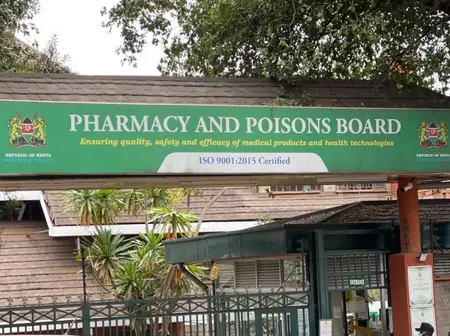
The Pharmacy and Poisons Board (PPB) said strengthening medicine traceability was critical in protecting the public from falsified and substandard medicines.
“Strengthening medicine traceability is essential to protecting Kenyans from falsified and substandard medicines and ensuring access to safe, effective and quality-assured health products,” the board said.
The board was represented at the stakeholder meeting by its Director of Pharmacy Practice, Dr Wilfred Ochieng. Under the proposed system, pharmaceutical products will have improved digital identification and tracking, allowing authorities to follow their movement through different stages of the supply chain.
This is expected to address challenges associated with tracing medicines when counterfeit, compromised or unsafe products enter the market.
The digital Track and Trace system is also expected to strengthen the government’s ability to respond to medicine safety concerns.
Through improved visibility, regulators will be better placed to identify affected batches and facilitate timely recalls of products found to be unsafe.
The system will also strengthen accountability among manufacturers, distributors, suppliers and other players involved in the movement of pharmaceutical products.
This could reduce gaps in the supply chain that make it difficult to establish where particular medicines originated and how they reached patients.
Beyond medicine safety, the government expects the adoption of GS1 standards to improve procurement processes and support the growth of local pharmaceutical manufacturing.
The digital system is expected to provide better information on the availability and movement of health products, helping institutions make more informed procurement decisions.
Improved traceability could also strengthen confidence in locally manufactured pharmaceutical products by making it easier to verify their movement and authenticity.
Manufacturers now have until December 31, 2026, to comply with the global standards as Kenya moves towards a more transparent and digitally monitored pharmaceutical supply chain.
The implementation will be an important step in strengthening medicine regulation and ensuring patients receive products that meet the required safety and quality standards.
Leave a Reply