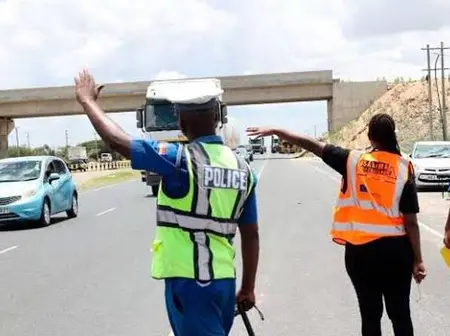
Taking hundreds of thousands of motorists off the road right before the busy December travel rush puts heavy pressure on President William Ruto's administration. Matatu operators, commercial drivers, and private car owners are already struggling with high fuel prices, steep taxes, and tight household budgets.
Political observers note that strict penalties on such a massive scale can quickly spark public anger and nationwide transport strikes. If buses and matatus park their vehicles in protest during the holiday peak, senior government officials will face intense pressure to step in and soften the enforcement deadline.
Decisions that hit citizens directly in the pocket rarely stay out of politics for long. Opposition leaders and government critics often seize on tough regulatory crackdowns to portray state agencies as out of touch with hardworking Kenyans trying to make ends meet.
At the same time, matatu saccos and transport unions gain fresh bargaining power whenever their operations are threatened. Analysts point out that union leaders can use the threat of holiday travel paralysis to demand direct negotiations with top state officials, shifting influence away from regulators toward organized transport groups.
For everyday citizens, the impact goes far beyond individual traffic tickets. Drivers whose licences are suspended will not only lose their daily income and ability to commute, but must also pay all pending fines and pass a fresh driving test before getting back on the road.
When commercial drivers are grounded, ordinary commuters feel the pain through higher bus fares and fewer vehicles on major highways. With the August 2027 general election drawing closer, frustrations over daily living expenses and heavy state fines remain key issues that shape how working-class voters judge their leaders.
Legally, the seven-day ultimatum tests how far automated camera enforcement and instant fines can go under Kenyan law. Several recent road safety directives have already faced court petitions from lawyers and civil society groups questioning public participation and fairness.
As NTSA rolls out a new digital tool allowing traffic police to verify driver records on the spot, legal observers expect fresh debates over data accuracy and how motorists can challenge disputed camera tickets.
Do you think suspending 300,000 driving licences will make Kenyan roads safer this festive season, or will it unfairly punish struggling drivers and commuters?
Leave a Reply