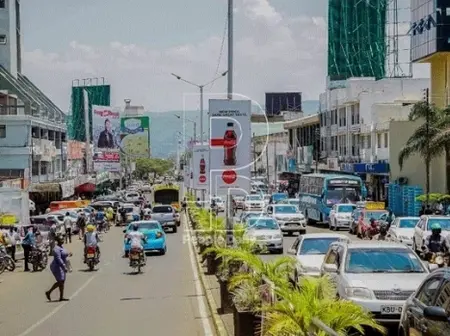
Kisumu City has emerged as an interesting example of how proper urban planning, strict enforcement and organised transport systems can help restore order in a busy city centre, raising questions about why Nairobi continues to struggle with hawkers and matatu congestion.
The lakeside city adopted a series of measures aimed at addressing the challenges of uncontrolled street trading and public service vehicles operating in unauthorised locations.
One of the major interventions came in March 2021 when Kisumu County introduced new regulations targeting matatus and buses operating within the Central Business District.
The directive, issued by then Acting City Manager Abala Wanga, required public service vehicles to stop picking up and dropping passengers at several locations within the city centre.
The affected areas included Kisumu Boys Roundabout, Aga Khan, Dal International, Kamas, Kisumu Girls and Yellow Line, among other locations.
Matatu operators were instructed to follow designated routes and use approved entry points when accessing the main bus park.
Authorities warned that vehicles violating the new regulations risked being impounded.
The county introduced additional traffic arrangements in May 2022, directing matatus and buses to use the Uhuru Business Park Complex along Nyerere Road.
Kisumu also focused on reorganising street trading by providing alternative business locations for hawkers.
Facilities such as Kibuye Market and Uhuru Business Park were among the designated spaces intended to accommodate traders and reduce congestion along busy streets.
However, the relocation exercise was not without challenges. Some traders expressed concerns about losing customers, the cost of operating from designated markets and the need for proper consultation before being moved.
Meanwhile, Nairobi continues to face persistent congestion in its CBD, where hawkers, matatus, pedestrians and private motorists compete for limited space.
Several attempts to reorganise trading activities and public transport operations in the capital have faced resistance from affected groups.
Kisumu's experience highlights the importance of combining enforcement with proper planning, accessible markets and organised transport facilities.
As Kenya's major cities continue expanding, Nairobi could draw important lessons from the lakeside city's approach.
The bigger question remains whether Nairobi County can implement sustainable reforms that restore order without undermining the livelihoods of thousands of traders and transport operators.
Sources;
https://peopledaily.digital/insights/kisumu-vs-nairobi-how-lakeside-city-managed-to-clear-out-hawkers-and-matatu-mess?fbclid=IwY2xjawVvp91leHRuA2FlbQIxMQBwZG9mBXNydGMGYXBwX2lkDDM1MDY4NTUzMTcyOAABH1cOwfoljgz4NXpYYovpsoYzQnxU_YEPIIv0MHubL1uqg3LPc9LooPw0-j0Q_aem_M40tjBckl1HNwk27uoqUhg
Leave a Reply