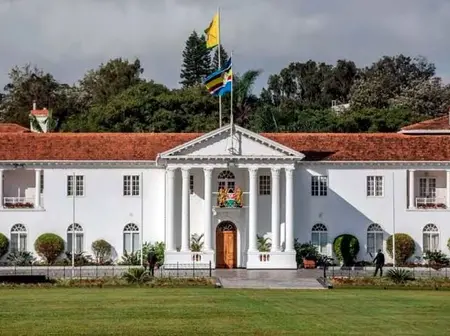
According to submissions made before the National Assembly’s Administration and Internal Security Committee, State House Comptroller Katoo Ole Metito indicated that the current KSh 15.14 billion ceiling falls short of operational demands. The breakdown includes KSh 7.78 billion for recurrent operations, KSh 526.5 million for refurbishing lodges, and KSh 124.9 million for ICT upgrades ahead of the 2027 General Election.
This dramatic expansion in executive funding marks a significant shift in Kenya’s fiscal landscape. Budget observers note that pushing the presidency's allocation past the KSh 23 billion mark alters how public resources are prioritised during a tight economic cycle.
Behind the scenes, the request places Members of Parliament in a delicate political position. Lawmakers on the departmental committee must balance loyalty to the executive with intense public scrutiny from voters who are already fatigued by stagnant incomes and high taxes.
Political analysts suggest that such budget proposals often expose silent tensions between fiscal austerity pledges and the practical realities of running state functions. For critics in the opposition and civil society, the figures provide fresh ammunition to question the administration's commitment to cutting wasteful public spending.
On social media, the reaction from Wanjiku has been swift, sharp, and laced with dark humour. Many Kenyans latched onto the KSh 43.4 million furniture line item, joking about what kind of chairs and tables require such a steep upgrade.
Beyond the memes, the debate reflects a deeper frustration over everyday survival. With public hospitals grappling with supply shortages and schools facing funding gaps, ordinary citizens view every extra shilling directed toward state lodges as money taken away from essential services.
Governance experts point out that in tough economic times, optics carry as much weight as the actual numbers. Even when expenditures are legally justified for maintaining national heritage buildings or upgrading Cabinet security, the timing can erode public trust.
What happens next rests squarely with Parliament as it scrutinises the 2027 Budget Policy Statement. Treasury officials and MPs will have to decide whether to approve the full KSh 8.43 billion top-up or trim the figures to appease an agitated public.
As the 2027 electioneering period draws closer, executive spending will undoubtedly remain under a microscope. Do you think State House’s additional funding is justified for smooth operations ahead of 2027, or should Parliament reject the request to protect taxpayers?
Leave a Reply