Across matatus in Nairobi, social media timelines, and local markets in Kisumu, Mombasa, and Eldoret, one topic consistently sparks lively debate among Kenyans: how to navigate the rising cost of living while building lasting wealth. Over the past few years, the way Kenyans react to economic changes has shifted from passive frustration to proactive self-education. Today, citizens are actively sharing financial knowledge, exploring digital opportunities, and rethinking traditional views on money.
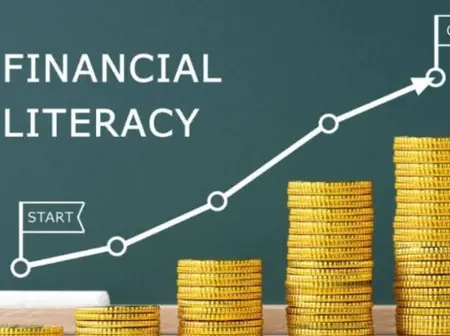
One of the most noticeable reactions among Kenyans is the growing appetite for practical financial literacy. Rather than relying solely on formal employment, many young people and working professionals are turning to community savings groups, SACCOs, and Money Market Funds to make their money work harder. Conversations on platforms like X and TikTok frequently feature everyday Kenyans breaking down complex topics such as treasury bills, land buying, and emergency funds into simple, relatable advice. This peer-to-peer learning culture has empowered thousands to make smarter financial decisions and avoid common debt traps.
Another major shift is the normalization of the side hustle. For many Kenyans, having a single source of income is no longer seen as enough. From agribusiness and online freelancing to small-scale retail and content creation, citizens are finding creative ways to supplement their earnings. What makes this trend particularly inspiring is the willingness of Kenyans to share their wins and failures openly. When someone discovers a legitimate way to earn extra income or save on household expenses, the information spreads rapidly through WhatsApp groups and family circles, lifting entire communities along the way.
At the same time, Kenyans have become much sharper consumers who value transparency and accountability. Whether it is scrutinizing mobile loan interest rates, comparing supermarket prices, or questioning public spending, citizens are quick to call out unfair practices. Humor and satire remain powerful tools in how Kenyans process tough times, often turning stressful situations into viral memes that unite people across different backgrounds. Yet behind the humor lies a deep sense of resilience and determination to demand better standards in both business and leadership.
Education beyond the classroom is also playing a critical role in this transformation. Many Kenyans are embracing short digital courses in technology, marketing, and vocational skills to stay competitive in a changing job market. Parents and mentors are increasingly encouraging young people to pair academic certificates with practical, problem-solving skills that can generate income immediately.
Ultimately, the true strength of Kenyans lies in their adaptability and spirit of harambee—pulling together in times of need. By continuing to share verified information, supporting local businesses, and educating one another on personal finance, everyday citizens are turning economic challenges into stepping stones for growth.
What financial lesson or side hustle tip has helped you the most this year? Share your thoughts in the comments below and pass this article along to a friend who might find it helpful.https://www.cma.or.ke/
Leave a Reply