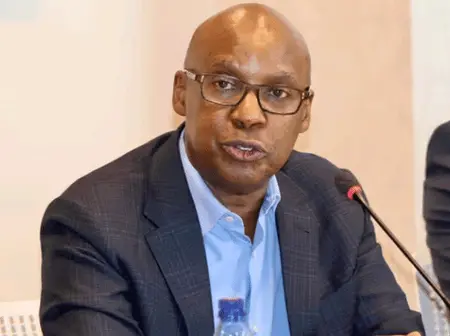
Jimi Wanjigi has reignited the national conversation on Kenya's economic future after presenting an ambitious tax reform proposal that could significantly reshape how households and businesses are taxed.
Wanjigi is advocating for the replacement of the existing 16 per cent Value Added Tax (VAT) with a significantly lower 5 per cent sales tax, arguing that such a transformation would reduce the financial pressure on ordinary Kenyans while giving businesses greater breathing space to operate, expand and create employment opportunities.
His proposal comes at a time when taxation and the rising cost of living remain among the most contentious issues dominating public discourse.
By placing more money in the hands of consumers and entrepreneurs, Wanjigi is positioning his economic agenda around increased purchasing power, business growth and a taxation framework that rewards hard work rather than punishing productivity.
However, the proposal has also attracted critical questions, with some Kenyans demanding clarity on how the proposed changes would affect government borrowing, parliamentary oversight and transparency in public expenditure.
Concerns have equally emerged over whether county governments would continue receiving adequate funding to discharge their constitutional responsibilities under the proposed arrangement.
Other commentators have challenged Wanjigi to take his message beyond social media and communicate its practical implications in ordinary language, particularly to voters in rural communities who may not immediately understand the economic and constitutional dimensions of his proposal.
With the 2027 General Election approaching, the debate presents Wanjigi with an opportunity to demonstrate not only the attractiveness of his economic vision but also its practicality, sustainability and potential consequences.
Ultimately, his political challenge will be convincing Kenyans that his proposed tax restructuring can translate into tangible economic relief, accountable governance and an economy that genuinely works for ordinary citizens.
Leave a Reply