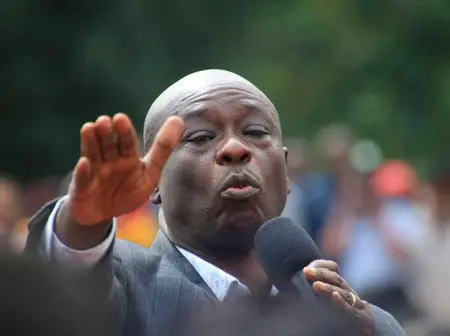
The findings indicate that 43 per cent of respondents associate Gachagua with responsibility for disagreements within the opposition, while 15 per cent attribute the divisions to President William Ruto and his United Democratic Alliance (UDA) government.
The figures offer a glimpse into how Kenyans perceive the ongoing political tensions involving opposition leaders as they navigate their relationships, competing interests and preparations for the 2027 General Election.
The finding comes amid growing disagreements among opposition leaders over the direction of their political coalition, the selection of a possible presidential candidate and how they intend to challenge Ruto in the 2027 General Election.
However, his relationship with other opposition figures has also attracted attention, particularly amid differences involving former Interior Cabinet Secretary Fred Matiang’i, Wiper leader Kalonzo Musyoka and other politicians seeking to shape the coalition's future.
The latest figures raise questions about how the opposition's internal disagreements are being perceived by the public and whether individual political ambitions are affecting confidence in the coalition.
President Ruto and his UDA administration have also been associated with the disagreements by a section of respondents, although the reported 15 per cent is considerably lower than the 43 per cent attributed to Gachagua.
The survey findings come against the backdrop of earlier TIFA research showing that 62 per cent of Kenyans opposed to Ruto's re-election preferred Gachagua to support another opposition candidate rather than necessarily insist on leading the coalition's presidential ticket.
That earlier finding illustrated the importance some respondents attached to opposition unity ahead of the next election.
The latest 43 per cent and 15 per cent figures should, however, be understood as reported public perceptions rather than proof that either political side caused the disagreements.
Source
Leave a Reply