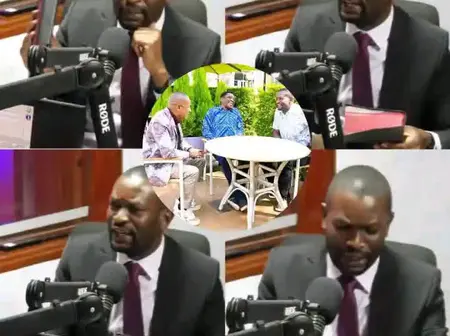
Kenyan Senator Edwin Sifuna has spoken about the disagreements surrounding the leadership of the Linda Mwananchi movement and its political direction, questioning why some members who trust him with the country’s presidency were unwilling to support him in leading the party.
Sifuna made the remarks while explaining the events that reportedly led to disagreements among members of the Linda Mwananchi movement over party leadership and their political affiliation.
According to the senator, the disagreement emerged at a time when there was confusion surrounding the party and who should take charge of its leadership. He said he challenged his colleagues to explain why they could consider him capable of becoming Kenya’s president but could not trust him with the responsibility of leading the party.
In his explanation, Sifuna said he had engaged other members of the Linda Mwananchi movement and proposed that they should collectively join the Equitable Party as part of their political arrangements.
He specifically mentioned Babu Owino, James Orengo and Caleb Hamisi among those involved in the discussions.
However, Sifuna claimed that the proposal was rejected by the other members despite the understanding he said they had reached with representatives of the movement.
The disagreement appears to have created divisions among individuals associated with Linda Mwananchi, particularly over questions of political leadership, party membership and the direction the movement should take.
Speaking about the situation, Sifuna questioned the accusations of betrayal directed at him, asking who should actually be considered a traitor when an agreement involving several members allegedly failed to materialise.
His remarks suggest that he believes the disagreement should be examined from the perspective of the decisions made by all parties involved rather than placing responsibility on one individual.
The comments have brought renewed attention to the internal political disagreements surrounding Linda Mwananchi and the relationships among some of its prominent members.
Sifuna’s account also highlights the challenges political movements can encounter when transitioning from collective mobilisation to formal political structures, particularly when members have different expectations about leadership and party affiliation.
Source
Leave a Reply