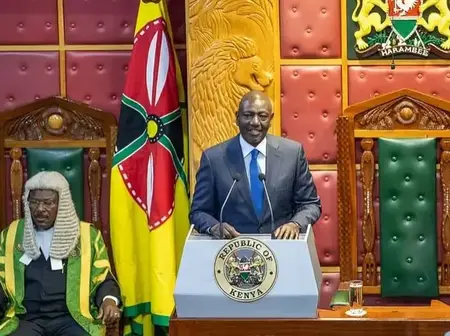
President William Ruto has unveiled a series of tax proposals aimed at reducing the cost of living, increasing household incomes, and creating more economic opportunities for Kenyans. The proposals were announced during his State of the Nation Address in Nairobi and form part of the government's broader efforts to ease financial pressure on citizens.
Among the most significant proposals is the exemption of workers earning KSh 32,333 or less per month from paying Pay As You Earn (PAYE) tax. If approved by Parliament, the measure will allow low-income earners to take home more of their salaries, providing much-needed relief at a time when many households are facing rising living costs.
Speaking during the address, President Ruto emphasized the government's commitment to improving the lives of ordinary Kenyans.
“Our task is far from complete, but our purpose remains clear: to make everyday life more affordable and productive effort more rewarding.”
The president also proposed the removal of stamp duty on land transactions valued at KSh 1 million and below. The move is expected to make property ownership more affordable, particularly for first-time buyers and low-income families looking to acquire land.
In another major announcement, the government plans to scrap the 25 percent import duty on mobile phones. According to Ruto, reducing the cost of mobile devices will expand access to digital services, online employment opportunities, and technology-driven economic activities, especially among young people.
The proposed tax reforms are part of a wider strategy to stimulate economic growth, increase disposable income, and improve the financial well-being of Kenyan citizens. The measures will now be considered by Parliament before they can be implemented.
If approved, the proposals could bring significant relief to millions of Kenyans by lowering tax obligations, reducing the cost of property transactions, and making technology more affordable and accessible. Many observers view the measures as a positive step toward addressing long-standing concerns about the high cost of living and supporting economic empowerment across the country.
Leave a Reply