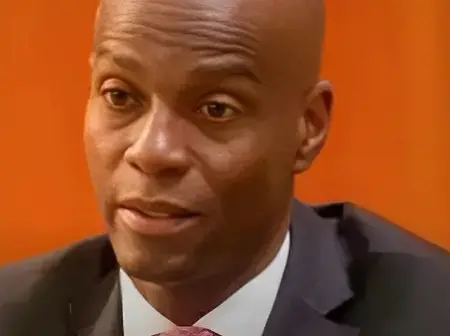
A political ambition that prosecutors say was tied to one of Haiti’s darkest moments has ended in a courtroom defeat for a Florida-based pastor who once hoped to become the country's president.
Christian Emmanuel Sanon, a Haitian-American pastor, has been found guilty on all eight federal charges connected to the 2021 assassination of Haitian President Jovenel Moise. The verdict was delivered by a federal jury in Miami on Wednesday, November 18, 2026, following a nearly eight-week trial.
The 68-year-old pastor now faces the possibility of spending the rest of his life behind bars, with his sentencing scheduled for February 10, 2027.
But how did a man who preached to congregations find himself at the centre of an international political assassination investigation?
According to prosecutors, Sanon was initially identified by the people behind the alleged conspiracy as their preferred candidate to replace Moïse as Haiti's next president.
Investigators told the court that South Florida became a major centre for planning and financing the operation aimed at removing the Haitian leader from power.
Prosecutors further alleged that Sanon helped raise money for the scheme and organised travel and accommodation in Haiti for himself and other individuals involved.
The most serious charge against him involved conspiracy to kidnap or kill a person outside the United States.
The case dates back to July 7, 2021, when heavily armed gunmen stormed Moïse's private residence in Port-au-Prince and fatally shot him. His wife, Martine Moïse, was also wounded during the attack.
The assassination plunged Haiti into deeper political uncertainty, leaving the Caribbean nation struggling with insecurity, gang violence and a prolonged leadership crisis.
During his trial, Sanon acknowledged having communicated with individuals seeking to replace Moise. However, he maintained that the group had settled on another candidate long before the assassination and denied knowing about any plan to kill the president.
His defence team expressed disappointment with the jury's decision and indicated plans to appeal.
Sanon remains in federal custody as he awaits sentencing. If handed the maximum punishment, he could face life imprisonment.
For Haiti, however, the consequences of that night remain painfully visible. More than five years after Moise was killed, the country continues to grapple with instability and uncertainty over its political future.
Source
Leave a Reply