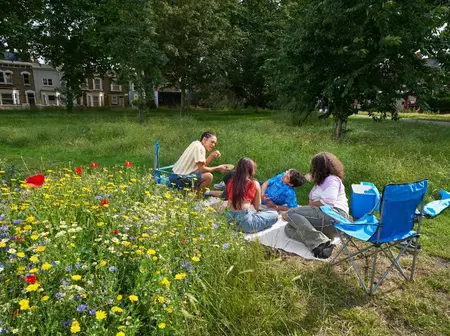
Eight bank holidays have been confirmed for England and Wales(Image: We Are via Getty Images)
The complete list of 2027 bank holidays has been announced, with seven of those recognised in England and Wales set to shift dates next year.
Christmas Day and Boxing Day both land on a Saturday and Sunday in 2027, meaning "substitute" bank holidays will be observed on Monday, December 27, and Tuesday, December 28. Weekends aren't the only factor determining when bank holidays occur, as the annually shifting Easter date also causes Good Friday and Easter Monday to move from year to year.
England and Wales will see eight bank holidays throughout 2027, beginning with New Year's Day on January 1. Good Friday will arrive on Friday, March 26, with Easter Monday following on Monday, March 29 – notably earlier than the 2026 dates of Friday, April 3, and Monday, April 6.
May's opening bank holiday will come a day earlier, as these always take place on a Monday, while the second will arrive later. In 2027, the Early May bank holiday falls on May 3, with the Spring bank holiday on May 31.
The summer bank holiday, which typically marks the conclusion of the school summer holidays, will be on Monday, August 30, one day ahead of this year's date of August 31. Rounding off the year, the Christmas Day and Boxing Day bank holidays will be recognised on December 27 and 28, as previously mentioned.
Friday, January 1 – New Year's Day
Friday, March 26 – Good Friday
Monday, March 29 – Easter Monday
Monday, May 3 – Early May bank holiday
Monday, May 31 – Spring bank holiday
Monday, August 30 – Summer bank holiday
Monday, December 27 – Christmas Day (substitute day)
Tuesday, December 28 – Boxing Day (substitute day)
A family's hopes of celebrating their daughter's completion of secondary school have turned into grief following the death of a 17-year-old KCSE candidate in Homa Bay County.Conjestina Achieng, a Form Four student at Alaru Mixed Secondary School, died after sitting her first KCSE examination papers after developing chest pains.
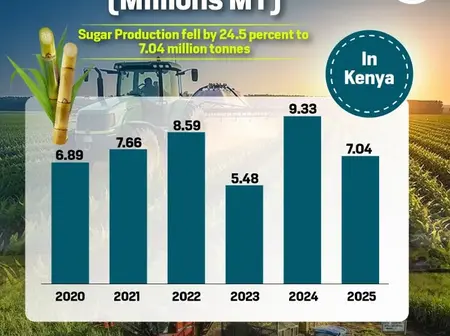
Kenya’s domestic sugar production declined by 24.5 per cent in 2025, according to figures from the Kenya National Bureau of Statistics (KNBS).
The production figure fell to 7.04 from 9.33 in 2024, reversing the previous year’s strong performance. The chart shows production stood at 5.48 in 2023, after rising from 6.89 in 2020 to 8.59 in 2022.
The figures highlight a significant decline following the 2024 peak, raising questions about the factors behind the latest drop in domestic sugar output.
Kenya's digital landscape continues to expand. Platforms such as Facebook, TikTok, YouTube, Instagram, LinkedIn, X and WhatsApp have become the spaces where citizens consume information, debate public issues and engage with institutions.
As a result, government communication has changed. Gone are the days when public communication meant issuing a press release, holding a press conference or placing an advertisement in a newspaper and waiting for citizens to respond. For County Governments, this shift towards social media platforms and other forms of digital communication presents both an enormous opportunity and a significant responsibility.
Social media therefore cannot be treated simply as another noticeboard for posting photographs of meetings and speeches. It is increasingly part of the public service itself, acting as a vital tool for widespread democratic participation and catalyst for social change.
A well-managed county social media channel can explain a new health programme, tell farmers where to access extension services, alert residents about an emergency, explain a budget decision, showcase a local enterprise or direct a citizen to the office that can resolve a problem.
However, simply being online does not guarantee meaningful engagement. The greatest value of government social media is not the number of followers. It is the trust created when citizens consistently receive information that is timely, accurate, relevant and understandable. This requires County communication executives to rethink what success looks like.
First, communication must be citizen centred. The starting question should not be, "What did the Governor do today?" but rather, "What does the citizen need to know?" A commissioning of a health facility matters, but citizens are more interested in where it is, what services it offers, who can access them and how their lives will be changed.
Second, authenticity matters. Government does not have to sound like advertising. Citizens can tell genuine communication from content created simply to make an institution look good. Showing real people, real projects and real experiences can be more powerful than polished publicity.
Third, trust must be earned through accuracy. While Social media rewards speed, government communication must prioritise verification. A false post can reach far more people than the correction that follows it.
Communication teams therefore need strong systems for verifying information with technical departments before publication, particularly during emergencies and periods of heightened public interest.
Fourth, counties must listen, not merely broadcast. A social media account that only publishes announcements is only utilizing half of its potential. Citizens are asking questions, reporting problems and sharing experiences every day. Communication teams should monitor these conversations and establish clear pathways for referring legitimate service issues to the responsible departments.
Fifth, one Kenya does not mean one audience. The communication needs of a young person in Nairobi may differ greatly from those of a farmer in Turkana, a trader in Mombasa or a parent in Taita Taveta. Even within a single County, urban and rural communities may consume information differently.
This is why social media should complement, rather than replace, traditional communication channels. County governments must continue to use community radio, public meetings, local networks, websites, SMS and other appropriate channels. Kenya's County public participation framework already recognises the need to use multiple communication platforms depending on their reach, effectiveness and the diversity of the people they serve.
There are also genuine risks. Social media can amplify misinformation, deepen political tensions, expose institutions to reputational damage and create pressure for communication teams to respond before facts are established.
The answer, however, is not for government to retreat from social media. It is to become better at using it. County communication executives need clear editorial policies, rapid verification systems, crisis communication protocols, trained digital teams and regular analysis of audience behaviour.
They must also invest in compelling storytelling, data, visual communication and the capacity to produce content in formats suited to different platforms and users.
Most importantly, they must understand that digital communication is not simply about technology. It is about relationships.
The future of government communication will belong to institutions that can explain, listen, respond and build trust consistently. Social media gives County Governments an unprecedented opportunity to make Devolution more visible, understandable and accessible to the people it was created to serve.
The question is no longer whether government should be on social media, it is whether government is using that space well enough to make citizens better informed, better heard and better served.
For county governments, that is the real measure of digital communication.
Uganda's Makerere University has launched an immediate review of security and event management protocols following an incident in which a former student stripped naked during the institution's Freshers' Ball.
The university said on Tuesday that it was reviewing security arrangements for all university-sanctioned social events to prevent a recurrence of the incident, which attracted widespread attention after videos circulated on social media.
In a statement, Dean of Students Dr Winifred Kabumbuli said the university had noted with concern the conduct of the former student during the event held on October 31 at the university grounds.
"The university wishes to clarify that it does not condone any conduct that undermines the values, principles and standards of behaviour expected of members of the university community," she said.
The university also clarified that the woman involved was not a newly admitted student, as had been suggested in some public discussions, but a former student.
It explained that the Freshers' Ball is traditionally organised as a public event, attracting different stakeholders, including alumni and members of the general public.
The incident occurred when the woman climbed onto a table in the stage area and removed her clothes completely as a cheering crowd watched and recorded the spectacle.
She continued dancing before she was eventually pulled down from the platform.
The footage triggered widespread criticism on social media, with users questioning how such an incident could occur at an event hosted on university grounds.
Following the incident, university management announced the indefinite suspension of campus social events, including the Freshers' Ball, Porridge Nights and Bazaars.
The security review announced on Tuesday signals an additional response aimed at tightening controls over university-sanctioned gatherings.
The university also acknowledged an appeal by the woman's family asking members of the public to stop circulating videos and photographs of the incident.
Makerere said it remained committed to providing a safe, inclusive and dignified environment for its students and other stakeholders.
The Freshers' Ball is among the social activities traditionally associated with the beginning of the academic year at the premier institution, bringing together new students, continuing students, alumni and members of the public.
KenGen risks losing its investment of more than Sh363 million in the form of fixed deposits in Stima Investment Co-operative Society after the latter failed to repay the amount to the power producer.
The Nairobi Securities Exchange-listed firm invested Sh100 million in Stima between 2015 and 2016—when it was led by former chief executive Albert Mugo—through its charitable arm KenGen Foundation.
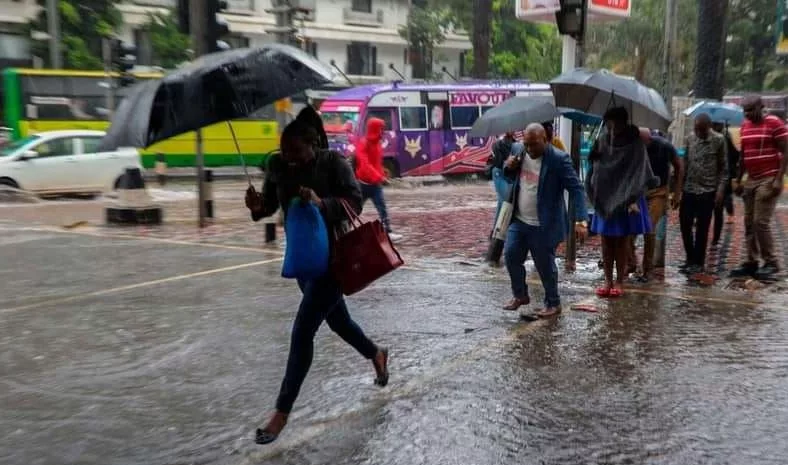
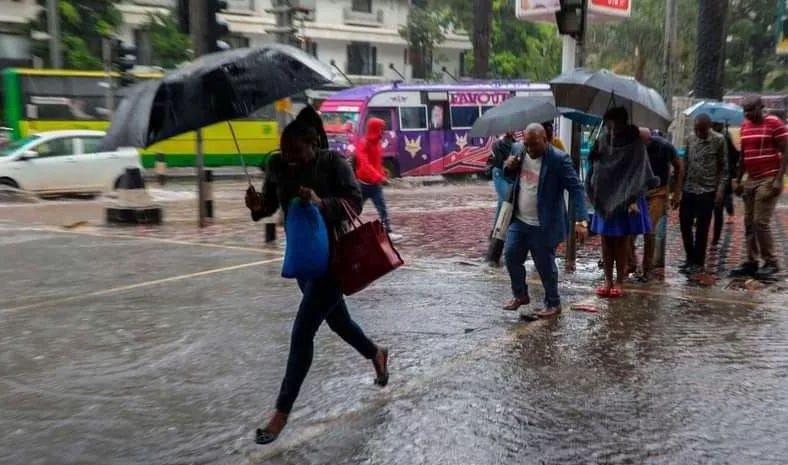
The Kenya Meteorological Service has forecast rainfall over parts of several counties between November 3 and 10, as the country enters a month expected to receive above-average rainfall.
The weekly outlook indicates that rain is expected in parts of Baringo, Bomet, Bungoma, Busia, Elgeyo Marakwet, Embu, Garissa, Homa Bay, Isiolo, Kajiado, Kakamega, Kericho, Kiambu, Kilifi, Kirinyaga, Kisii, Kisumu, Kitui, Kwale, Laikipia, Lamu, Machakos, Makueni, Mandera, Marsabit, Meru, Migori, Mombasa, Murang'a, Nairobi, Nakuru, Nandi, Narok, Nyamira, Nyandarua, Nyeri, Samburu, Siaya, Taita Taveta, Tana River, Tharaka-Nithi, Trans Nzoia, Uasin Gishu, Vihiga, Wajir and West Pokot.
The weekly outlook follows a monthly forecast issued on November 2, in which acting director of the Kenya Meteorological Service Authority Edward Muriuki said most parts of the country were expected to receive above-average rainfall in November and December.
Muriuki warned that the increased rainfall could cause flooding, damage roads and raise the risk of diseases such as malaria, cholera and typhoid.
He said the rains were expected to affect agricultural regions as well as parts of northern Kenya, although rainfall distribution would vary across the country.
The forecast comes after much of Kenya received below-average to near-average rainfall in October, despite some areas recording significant amounts.
An automatic weather station at Ng'iya Primary School in Siaya recorded the highest monthly rainfall total in October, at 264.4mm, according to the meteorological authority.
Some stations in Marsabit, Garissa, Mandera, Kisii, Kisumu and Lamu also recorded rainfall above their usual October amounts.
Muriuki said November was an important month in the October-November-December short rains season because rainfall supports agricultural activities, replenishes water resources and sustains livelihoods.
The expected rains could improve soil moisture and pasture availability following the dry conditions experienced in recent months.
However, he cautioned that excessive rainfall could disrupt farming activities and the transportation of produce from farms to markets.
Rural access roads are particularly vulnerable to deterioration and may become impassable after prolonged rainfall, affecting the movement of people, goods and essential services.
Urban areas could also experience traffic congestion and transport disruptions where drainage systems are overwhelmed.
The authority further warned that accumulated water could create breeding grounds for mosquitoes, potentially increasing malaria transmission in susceptible areas. Flooding and poor drainage could also contaminate water sources and increase the risk of cholera, typhoid and diarrhoeal infections.
The rains are also expected to replenish rivers, dams, water pans and groundwater sources, potentially improving water availability for households, farmers and livestock.
However, increased river flows could result in localised flooding, particularly in areas near rivers and other low-lying locations.
The meteorological authority has advised Kenyans to use the weekly forecast alongside shorter-term updates, which provide more specific information on expected weather conditions.
Kenya and the Netherlands have launched two new programmes worth a combined €2.74 million (approximately Sh410 million) to improve the business environment, address investment barriers and strengthen trade relations between the two countries.
The initiatives were unveiled during the Sustainable Trade Roundtable held in Nairobi on Tuesday, November 3, bringing together government officials, Dutch businesses, industry associations and other stakeholders to discuss challenges facing businesses and opportunities for deeper economic cooperation.
The programmes will run for three years and focus on accelerating business climate reforms, strengthening regulatory systems and creating a more favourable environment for private sector investment.
The first initiative, valued at €1.74 million, will be implemented by Financial Sector Deepening Kenya (FSD Kenya), the Business Registration Service (BRS) and the Competition Authority of Kenya.
It will focus on accelerating business climate reforms through digital regulatory services, enhanced financial transparency and more competitive public procurement.
The second programme, valued at €1 million, will be implemented by Genesis Analytics, Aaereton Blu and KenInvest.
It will support the development of pro-investment policies and establish an early-warning observatory through a dedicated Kenya Investment Delivery Unit.
The unit will identify emerging regulatory challenges and address rising business costs affecting investors.
Speaking during the roundtable, Netherlands Vice Minister for International Development Pascalle Grotenhuis described Kenya as a strategic partner and one of three priority countries in Sub-Saharan Africa, alongside South Africa and Ghana.
“Kenya is a strategic partner for the Netherlands and we see significant opportunities to deepen our economic cooperation,” she said.
Grotenhuis said bringing together government and business would help identify practical solutions to improve the business environment, unlock investment opportunities and strengthen trade relations.
She identified agriculture and food systems, water, health, agro-logistics, renewable energy, digitalisation and climate-resilient infrastructure as key areas of cooperation.
She also highlighted the potential of strategic economic corridors, particularly the Northern Corridor, in strengthening Kenya's position as a regional trade gateway.
Director of Agriculture in the State Department for Agriculture Evelyn Heyi said closer cooperation between the two countries was important in facilitating trade and expanding market access for Kenyan agricultural products.
“Strengthening this partnership requires continued collaboration between our governments to streamline regulatory frameworks, address trade barriers and create a more predictable environment for businesses,” Heyi said.
The roundtable also provided Dutch companies operating in Kenya with an opportunity to highlight challenges affecting their operations.
Among the concerns raised were high air freight costs, delayed VAT refunds, double taxation within the East African Community and unpredictable regulatory and policy changes.
Participants called for sustained government engagement and stronger public-private collaboration to address the challenges, improve investor confidence and create a more competitive business environment.
The two programmes are expected to strengthen institutional capacity, address regulatory barriers and support private sector-led investment and growth.
The engagement builds on longstanding economic and diplomatic relations between Kenya and the Netherlands, including the State Visit in March 2025 and the establishment of the Kenya-Netherlands Joint Trade Committee.
The committee provides a structured platform for economic dialogue and cooperation between the two governments.
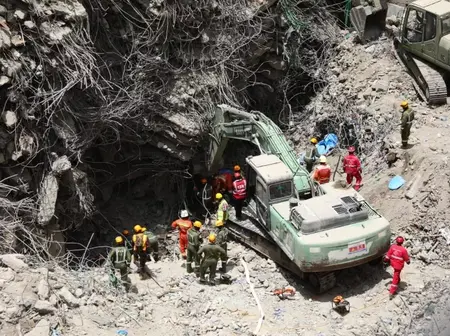
A second body has been recovered from the rubble of a collapsed building in Eastleigh, Nairobi, as search-and-rescue operations continue.
The National Police Service (NPS) in a statement on Tuesday said that a multi-agency team retrieved the body of a woman from the site, bringing the number of recovered bodies to two.
Four people have so far been rescued alive from the rubble, according to the police.
In a statement, the NPS said it continued to support the ongoing rescue operation and extended its condolences to the family and friends of the deceased.
The Service also wished those injured a quick and full recovery.
Police urged members of the public to keep away from the affected site to allow emergency responders, rescue personnel and specialised equipment to operate without interference.
The multi-agency team is continuing to clear the remaining debris in an effort to establish whether more people are trapped.
The NPS said it would issue further updates as new developments emerge.
The latest recovery comes 11 days after the multi-storey building under construction collapsed along 9th Street in Eastleigh on October 23, trapping workers and people who may have been inside the premises.
The first body, also that of a woman, was recovered on Friday, October 30, eight days after the incident. The discovery came as rescue teams intensified efforts to access the lower sections of the structure, particularly the basement, where some missing people were believed to be trapped.
The operation has faced challenges as rescuers work through tonnes of concrete and other debris to reach sections of the building that remain inaccessible.
As of November 1, about 85 per cent of the debris had been cleared, with 16 people still unaccounted for following a verification exercise by the Kenya Red Cross and the Directorate of Criminal Investigations (DCI).
Nairobi North County Commissioner Simon Osumba said investigators had used mobile phone data to establish that nine of the missing individuals were at the building shortly before it collapsed.
The collapse also triggered investigations into possible breaches of construction regulations and failures in building supervision.
The Director of Public Prosecutions directed the DCI to investigate possible negligence, omissions or misconduct by public officials, developers and construction professionals involved in the project.
Investigators are expected to establish whether the building had the necessary approvals, was properly inspected and complied with construction safety requirements.
The NPS said the multi-agency team remained committed to the search-and-rescue operation and would issue further updates as new developments emerged.
The Orange Democratic Movement (ODM) has suffered a political setback following the defection of its elected leaders to the Movement for Democracy and Growth (MDG), a party led by Ugenya MP David Ochieng’.
The defections, led by Teso North MP Oku Kaunya and David Ragen, the ODM Member of County Assembly (MCA) for Alego Central Ward in Siaya County, mark a significant development in the emerging political contest for influence in the Nyanza and Western Kenya regions ahead of the 2027 General Election.
The leaders announced their allegiance to MDG during a colourful political gathering held at the party’s headquarters in Upper Hill, Nairobi, where more than 500 aspirants seeking various elective positions declared their support for the party.
The aspirants, drawn from 17 counties across the country, also expressed their intention to contest for elective seats under the MDG ticket in the 2027 General Election.
Addressing the gathering, Ochieng’ declared that the party was fully prepared for the next General Election and would field candidates in all elective positions across the country, except the presidency.
He maintained that no amount of intimidation, political pressure or coercion would deter MDG from pursuing its electoral ambitions.
“Let it be very clear to everybody that MDG will field candidates across the country irrespective of underhand machinations to dissuade us from doing so. We are not going to cede any ground,” Ochieng’ said.
The Ugenya legislator accused some political parties of seeking zoning arrangements to restrict competing parties from fielding candidates in certain regions.
He argued that such arrangements were an attempt to limit political competition, insisting that every party should be free to seek support from Kenyans regardless of geographical or political strongholds.
Ochieng’ also challenged opposition leaders to move beyond criticising President William Ruto’s development agenda and present practical alternatives to the challenges facing the country.
He cited opposition to major infrastructure and industrial development projects, including the proposed Dangote-led oil refinery at the Coast and the Mau Summit–Rironi road project, arguing that Kenyans needed constructive alternatives rather than constant political criticism.
According to the MP, the electorate was interested in policies and proposals capable of improving livelihoods, creating opportunities and addressing the country's development challenges.
On matters of leadership integrity, Ochieng’ said MDG would subject all its prospective candidates to strict integrity checks to ensure they met the constitutional and legal requirements for public office.
On his part, Kaunya attributed his decision to leave ODM to dissatisfaction with the party's internal leadership and electoral processes.
He argued that a growing number of members had lost confidence in the party leadership due to what he described as flawed internal elections and failure to uphold democratic principles.
Kaunya maintained that political parties should provide platforms for democratic participation, transparency and fair competition rather than limit members' political ambitions.