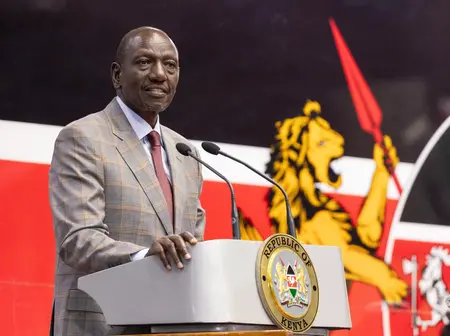
President William Ruto has challenged universities to overhaul their academic programmes to equip students with practical skills and prepare them for the demands of the job market.Speaking at State House, Nairobi, on Thursday during the award of a charter to International Leadership University (ILU), the President said institutions of higher learning must move beyond theoretical classroom instruction and embrace problem-solving approaches that expose learners to real-life challenges in communities, industries and public institutions.
Blog
-
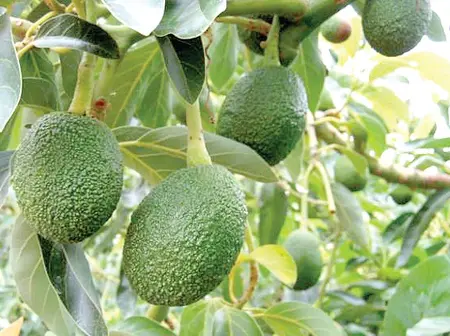
China-Africa trade hits Ksh40.6T as African avocado, peanut exports rise
Trade between China and Africa has grown to Ksh40.6 trillion in the first nine months of 2026, with agricultural exports from Africa recording strong growth following the introduction of China’s zero-tariff policy for African goods.
In a post shared on X on Thursday, November 5, 2026, the China-related trade update said trade between the two sides had increased by 22 per cent year-on-year to about Kssh40.6 trillion.
The update highlighted increased demand for African agricultural products in China since the policy took effect on May 1, including peanuts, frozen strawberries and avocados.
Peanut imports increased 4.4 times, while frozen strawberry imports rose by 113 per cent and avocado imports grew by 82 per cent.
“Mutually beneficial trade brings tangible gains to people on both sides!” the post stated.
The figures point to growing opportunities for African agricultural producers seeking access to China’s large consumer market.
According to the update, Africa accounts for 70 per cent of China’s sesame imports and 40 per cent of its coffee imports, highlighting the continent’s role in supplying key agricultural commodities.
The zero-tariff policy is intended to make eligible African goods more competitive in the Chinese market by removing import duties, potentially creating opportunities for farmers, exporters and agricultural businesses.
However, the reported growth figures cover trade between China and Africa as a whole and do not necessarily reflect export performance by individual African countries.
The reported increase in demand comes as Kenya’s avocado industry faces restrictions on sea exports because of low production volumes.
On Wednesday, October 28, 2026, the Agriculture and Food Authority (AFA) announced the suspension of sea shipments of Hass, Fuerte, Pinkerton and Jumbo avocado varieties from October 30.
The decision followed an assessment by the Horticultural Crops Directorate, which found that current production was insufficient to support sea shipments.
“The survey findings are that current production volumes are low and insufficient for sea shipment,” the authority stated in a notice signed by Calistus Efukho on behalf of the Director General.
Air shipments of the affected varieties are permitted to continue, subject to inspection and traceability requirements.
The authority also suspended avocado harvesting for oil processing during the restricted period and introduced verification requirements for existing oil stocks intended for export.
Processors must have their stocks verified before clearance, while imports of avocado fruit for oil processing have also been suspended during the closure.
The measures are intended to prevent the harvesting of immature local avocados under the pretext that the fruit was imported.
Exporters who violate the restrictions risk having their licences revoked, while permits will not be issued for consignments that breach the guidelines.
The developments highlight the opportunities presented by expanding international markets alongside the production and quality requirements Kenyan exporters must meet to benefit from rising demand.
-

Moi University tops Kenya’s gender mainstreaming rankings with 96.4 per cent score
Listen to articleMoi University scored 96.5 per cent in the first biannual assessment before recording 96.2 per cent in the second, maintaining its leading position in the national rankings.Moi University has emerged as Kenya's top-performing institution in the Performance Evaluation on Gender Mainstreaming, ranking first among Ministries, Departments and Agencies (MDAs) in the 2025/2026 Financial Year assessment.
-
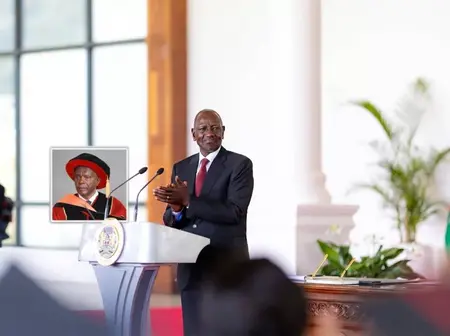
State House in laughter as Ruto says Kivutha Kibwana sometimes calls him Kasongo
President William Ruto caused laughter at State House, Nairobi, after joking about being referred to as “Kasongo” by International Leadership University (ILU) Chancellor Professor Kivutha Kibwana.
The Head of State made the remarks on Thursday while awarding a Charter to the International Leadership University, recognising the institution's status as a fully chartered university.
While acknowledging members of the university's leadership, Ruto said he was familiar with the team, including the chairperson of the ILU Council, Justice Musinga, and the institution's third Chancellor, Professor John Michael Kivutha Kibwana.
“Sometimes in other fora, he calls me Kasongo,” Ruto said, referring to Kibwana, sparking laughter among those attending the ceremony.
“That is the nature of our society,” the President added.
Kibwana was installed as the university's third Chancellor in August 2026 at its Kitengela campus.
The former Makueni Governor is a distinguished lawyer and academic who served two terms as county chief between 2013 and 2022. He has also served as a professor of law at Daystar University and held various academic positions.
The President's remarks referenced the nickname “Kasongo”, which has increasingly featured in political exchanges between him and his critics, particularly opposition leaders.
The name is borrowed from the popular Congolese rhumba song Kasongo by Super Mazembe, which gained renewed popularity in Kenya in 2025 after social media users adopted it to mock the President.
The song's lyrics revolve around a woman pleading with her estranged husband, Kasongo, to return home, with critics using the tune and its lyrics as political satire directed at Ruto.
Opposition politicians have since incorporated the nickname into their political rallies and public addresses while criticising the President's leadership and government policies.
Democratic Action Party of Kenya (DAP-K) leader Eugene Wamalwa is among those who have publicly used the name, alongside former Deputy President Rigathi Gachagua, who has repeatedly invoked it during political engagements.
Ruto has previously acknowledged the nickname in public, at times turning it into a subject of humour while responding to his critics.
-
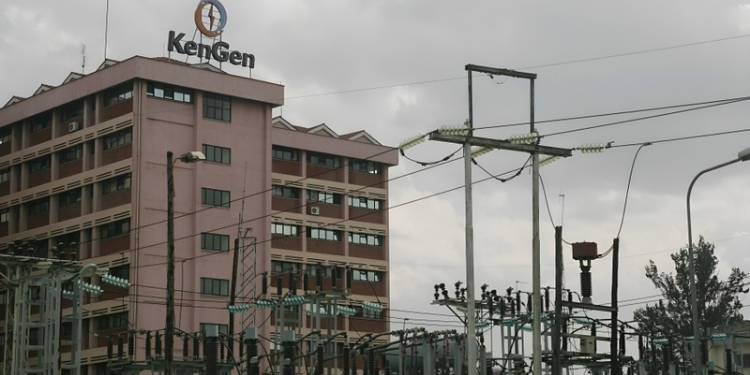
KenGen Shareholders: Full List of Top 10 Owners and Their Stakes in the Company
The Government of Kenya controls nearly 70 per cent of the Kenya Electricity Generating Company PLC (KenGen), with banks, institutional investors and individuals sharing the remaining stake in one of the country’s largest electricity producers.According to KenGen’s 2025 Integrated Annual Report and Financial Statements, the Cabinet Secretary for the National Treasury held 4,615,424,088 shares, representing 69.99 per cent of the company as at June 30.
-
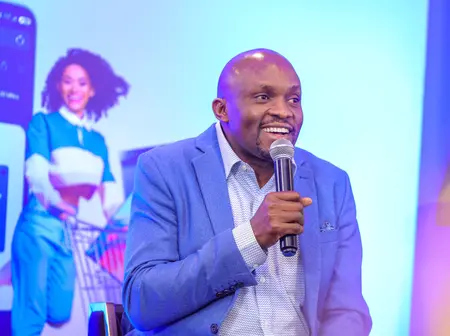
Samsung bets on connected living to win over Kenyan homes
As Samsung rolls out its Connected Living Experience in Kenya, Sam Odhiambo, Head of Consumer Electronics Business at Samsung Kenya, explains how SmartThings, AI-powered appliances and energy monitoring are being positioned as practical tools for everyday households rather than luxury upgrades.
For most Kenyan households, the television, fridge, washing machine and smartphone have always lived separate lives, each bought, used and managed on its own. Samsung wants to change that.
Through its Connected Living Experience, the electronics maker is inviting consumers to see first-hand how compatible devices can work together through SmartThings, its connected-home platform, which lets users monitor appliances, adjust settings remotely and set up routines from a single app on their phone.
The pitch is grounded in everyday concerns. With electricity costs top of mind for many families, Samsung is putting energy visibility at the centre of the conversation, alongside AI features such as AI Wash and AI Energy Mode that aim to cut down on manual decision-making around the home.
Odhiambo is equally clear about the barriers. Smart-home technology is still widely seen as complicated and expensive, and he argues that connected living does not require replacing every appliance at once, but can be built gradually, device by device, at a pace that suits each household’s budget.
In this interview, he speaks to TechTrends about the thinking behind the initiative, what AI really brings to home appliances, how households can manage energy consumption more intelligently, and why after-sales support matters as much as innovation in winning consumer confidence.
Samsung has introduced its Connected Living Experience in Kenya. What is the idea behind this initiative?
The idea is to demonstrate how technology can work together to make everyday life easier, rather than having consumers think about each device as a separate purchase. We have televisions, refrigerators, washing machines and mobile devices that serve different purposes, but when compatible products connect through SmartThings, the experience becomes much more integrated.
Through Connected Living, we are giving consumers an opportunity to see what this looks like in practice. They can explore different areas of a home, understand how the devices communicate and experience how connectivity can simplify everyday routines. Ultimately, our focus is on making technology more useful, intuitive and relevant to the way people live.
What exactly is SmartThings, and how does it work?
SmartThings is Samsung’s connected-home platform that allows users to manage compatible devices through one application on their smartphone. Instead of switching between different controls for different appliances, users can bring supported devices together and manage them from a central point.
For example, depending on the products and features available, a consumer can monitor a connected appliance, adjust certain settings remotely or create routines that allow devices to work together. The platform also supports compatible products from other manufacturers, helping consumers build a connected home around their needs.
What matters is that the technology should feel straightforward. Consumers should not need to be technology experts to appreciate the convenience of having their devices work together.
How does connected living translate into practical benefits for Kenyan households?
For Kenyan households, connected living has to deliver practical value. It could mean having greater visibility into how much energy an appliance consumes, checking the status of a connected device while away from home, or simplifying household tasks through intelligent appliance features.
Energy management is particularly relevant because households are conscious of their electricity costs. SmartThings Energy, on compatible devices, can help users monitor consumption and understand their usage patterns. That information can support more informed decisions about how and when they use their appliances.
There is also the benefit of convenience. When people are balancing work, family and other responsibilities, technology that helps reduce unnecessary steps and makes household routines easier can make a meaningful difference.
Artificial intelligence is becoming increasingly prominent in consumer electronics. How is Samsung applying AI to home appliances?
We see AI as a way of making appliances more responsive to the user’s needs, rather than simply adding technology for its own sake. In compatible Samsung appliances, AI-powered features can help optimise certain functions and reduce the amount of manual decision-making required.
For example, Samsung’s AI Wash technology uses information about the laundry load and its level of soiling to help determine appropriate washing conditions and detergent use. SmartThings also supports features that provide insights into appliance performance and energy consumption.
These capabilities demonstrate how AI can move beyond the smartphone and become part of the wider home experience. Our focus is on practical applications that help consumers manage their homes more efficiently and conveniently.
Energy efficiency is an important consideration for consumers. How does Samsung help households manage energy consumption?
Energy efficiency is an important part of how we approach home appliances. We are developing technologies that help consumers use their appliances more intelligently, while giving them greater visibility into their consumption.
Through SmartThings Energy, users with compatible devices can track energy usage over different periods and identify consumption patterns. AI Energy Mode, where supported, can also help reduce energy use in certain operating conditions.
The benefit is not simply having an appliance that performs a task. It is helping consumers understand how they use that appliance and where adjustments may be possible. Actual savings depend on the device, settings, usage habits and household conditions, so we encourage consumers to explore the features available on the specific models they own.
Does a consumer need to replace all their existing appliances to enjoy connected living?
No. We recognize that consumers have different needs, budgets and stages of adoption. Connected living does not have to mean upgrading every device in the home at once.
The starting point is understanding which devices a consumer already owns and which are compatible with SmartThings. From there, they can identify the features that would be most useful and gradually expand their connected ecosystem as their needs evolve.
Compatibility is important because not every product supports every SmartThings feature. We therefore encourage consumers to check the specifications of individual devices before purchasing. Our broader objective is to make the connected-home experience accessible and understandable, while allowing people to adopt the technology at their own pace.
Some consumers may find smart-home technology complicated or expensive. How is Samsung addressing that concern?
One of the reasons we are taking this experience directly to consumers is to make the technology easier to understand. Reading about a connected home is one thing; seeing how it works and trying the features yourself is another.
We want consumers to understand the benefits before making a purchasing decision. They can see how devices connect, ask questions about compatibility and identify which features are relevant to their households.
We also recognise that consumers have different purchasing priorities. Our role is to demonstrate the value of the technology and help people make informed decisions based on their needs. Connected living should not be presented as something that every household must adopt all at once. It is an experience that consumers can build over time.
How important is after-sales support when introducing connected appliances and smart-home technology?
After-sales support is essential because the customer experience does not end when a product is purchased. Consumers need confidence that they can access guidance, maintenance and authorised repair services when required.
This becomes particularly important with connected products, where customers may need assistance with setup, device registration, software updates or understanding specific features. We want people to feel confident using the technology, not intimidated by it.
At Samsung, product innovation and customer support must work together. We encourage customers to familiarise themselves with their product manuals, compatibility requirements and available support channels so that they can get the best possible experience from their devices.
What would you like consumers to take away from this experience?
I would like consumers to leave with a clearer understanding of what connected living means for them personally. It is not simply about owning more devices or having the latest technology. It is about making the technology they use every day work better together.
Whether that means simplifying laundry, managing energy consumption, enhancing entertainment or gaining greater control over compatible appliances, the value lies in the experience.
We invite consumers to explore the possibilities, ask questions and see how connected technology could fit into their own homes. At Samsung, we want to keep creating experiences that make innovation tangible and show how technology can contribute to more convenient everyday living.
-
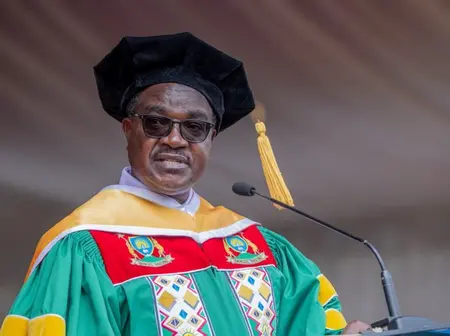
CS Ogamba reveals what Kenyan universities must prove beyond awarding degrees
Education Cabinet Secretary Julius Ogamba has challenged universities to focus on the quality of education and the skills graduates acquire, saying institutions must look beyond student enrolment to the knowledge and values they impart.
“We must not only ask ourselves how many students enter universities, but also focus on what they learn. What problems they can solve, what values they carry, and what they give back after graduation,” Ogamba said.
Speaking on Thursday, November 5, 2026, at State House, Nairobi, during the award of a charter to International Leadership University (ILU), Ogamba said universities must demonstrate their contribution to Kenya, Africa and the world through quality teaching, relevant academic programmes, research and effective governance.
“The true measure of this charter will be reflected in the quality of teaching, the relevance of academic programs, the integrity of the governance in place, the value of research and the contribution of the university’s graduates to Kenya, Africa and the world,” he said.
Ogamba said private universities had widened access to higher education and created new academic pathways, contributing to research, innovation and human capital development.
“Your Excellency, Kenya currently has 41 private universities which have widened access to university education and created new academic pathways, contributing to research, innovation and human capital development,” he said.
The Cabinet Secretary said private universities had enrolled 153,999 students, representing 21.7 per cent of the country’s university student population.
“Currently, the private universities have enrolled a total of 153,999 students out of the 707,150,000 students in all our universities in Kenya, accounting for 21.7% of university students,” Ogamba said.
The figure of 707,150,000 in the supplied transcript appears inconsistent with the stated percentage and should be verified against the official speech before publication.
Ogamba cautioned that expanding university enrolment must go hand in hand with better education and improved learning outcomes.
“Well, the numbers are impressive. More students must also mean better education, not just more seats,” he said.
He described private universities as important partners in improving higher education and urged institutions to focus on equipping students with knowledge and values that would benefit society.
“Private universities are key partners in this effort,” he said.
The Education CS said quality assurance was essential in protecting the credibility of academic qualifications and maintaining public confidence in Kenya’s education system.
“Your Excellency, ladies and gentlemen, in this regard, quality assurance is indispensable. It protects the value of honest degrees and protects public confidence in our education system,” he said.
Ogamba said the award of the charter confirmed that International Leadership University had undergone the required assessment and met the established standards.
“Today’s charter tells every family that the International Leadership University has been through the process and has met the standards,” he said.
Ogamba’s remarks came as President William Ruto challenged universities to redesign their teaching around real-world problems and strengthen partnerships with employers to prepare students for the workplace.
During the same State House event, Ruto urged institutions to incorporate practical problem-solving into their academic programmes and ensure students gain workplace experience before graduation.
“I therefore challenge International Leadership University and every university in Kenya to make four commitments. First, teach through real challenges and problems,” Ruto said.
He proposed that counties provide students with urban planning challenges, hospitals share service delivery problems and cooperatives present post-harvest losses for students to investigate and solve.
“Let students apply their knowledge and give us results,” he added.
Ruto also highlighted demand for workplace experience after the government received 150,000 applications within 24 hours for 50,000 internship opportunities.
“Yesterday, we did announce, as Government of Kenya in internship opportunities for 50,000 students. The application will be on a digital platform. I am informed that by this morning we had 150,000 applicants within 24 hours,” he said.
The President urged universities to work more closely with employers to expand practical attachments and help students acquire experience before completing their studies.
The remarks by both leaders place renewed emphasis on the need for universities to produce graduates who can apply their knowledge to challenges in healthcare, agriculture, manufacturing and public service.
-
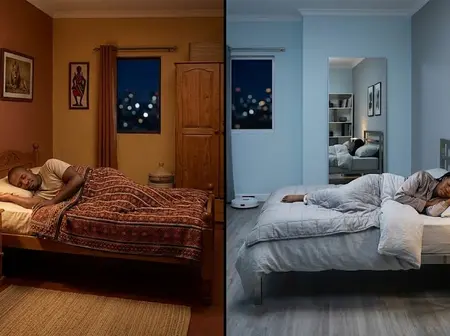
Why sleeping in separate bedrooms can benefit married couples
In Kenya, some millennial and Generation Z couples are embracing the idea of sleeping in separate bedrooms, challenging the traditional belief that married partners must share a bed every night.While the arrangement may raise eyebrows among people who associate sharing a bedroom with intimacy and a healthy marriage, some couples are prioritising quality sleep, personal space and comfort without necessarily compromising their relationships.
-

How Sh6.8bn pension hole leaves TUK workers in retirement uncertainty
More than 1,800 members of the Technical University of Kenya (TUK) staff pension scheme risk losing Sh6.8 billion saved for retirement, as a Senate-tabled report shows the cash-strapped scheme can pay only 13 percent of accumulated benefits.
The report, which focuses on the winding up of the scheme, shows that the liquidator had identified outstanding receivables of Sh6.83 billion as at April 2026, comprising unremitted pension contributions of Sh3.04 billion and accrued interest of Sh3.782 billion.
-

Father who lost six children in Kenya cult tragedy says justice cannot undo loss
What you need to know:When Kenyan starvation cult leader Paul Mackenzie is sentenced on Friday for the murders of 190 children and an adult, Stephen Mwiti and other relatives of the victims will be worried that he may continue spreading his deadly messages.Mwiti says all six of his children died in the Shakahola Forest, where his wife took them in 2022.