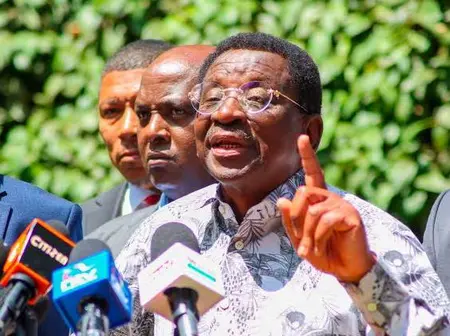
For decades, Kenyan electoral history has followed an unwritten rule where sitting presidents reliably secure two consecutive five-year terms. Political analysts observe that Orengo is deliberately challenging that long-standing incumbency advantage, framing the upcoming ballot as a historic break from traditional voting patterns.
Behind the scenes, the remarks highlight deepening fissures within Nyanza's political landscape. Following the Orange Democratic Movement's broad-based working arrangement with the ruling party, Orengo has increasingly positioned himself under the Liberal Democratic Party banner to resist any local shift toward the government.
Insiders familiar with regional dynamics suggest that Bondo carries heavy symbolic weight as the political heartland of the late Raila Odinga. By testing his anti-government message right in the town centre, Orengo is signaling to rival Nyanza leaders that the grassroots remains fiercely independent and resistant to state co-optation.
For ordinary Kenyans, this intensifying rhetoric translates directly into how bread-and-butter frustrations are being channeled into early campaign mobilization. Citizens grappling with high living costs, statutory deductions, and tight household budgets are watching whether opposition figures can turn street-level discontent into a unified alternative agenda.
However, political observers caution that enthusiasm at town-hall rallies does not automatically guarantee victory at the ballot box. Transforming widespread economic frustration into a winning national coalition requires disciplined voter registration, clear policy solutions, and unity among ambitious opposition leaders.
As the 2027 race gathers momentum, Orengo faces the immediate challenge of reconciling competing factions within the broader opposition while defending his own flank in Siaya. Meanwhile, government allies are expected to step up development tours in the region to counter his narrative and showcase tangible state projects.
Do you agree with James Orengo that the ground has shifted decisively, or will President Ruto’s development alliances secure him a second term in 2027?
Leave a Reply