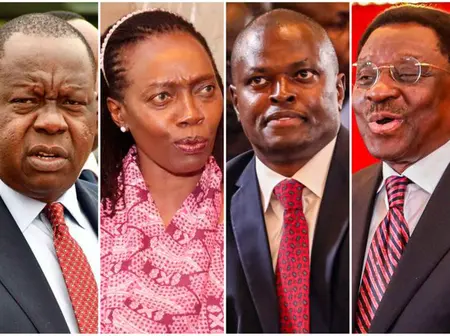
In remarks reported on November 22–23, 2026, alongside Narc-Kenya leader Martha Karua and other allies, Nyoro dismissed media reports of a "third force" emerging inside the opposition, maintaining that separate engagements reflect active mobilisation rather than division.
Matiang’i echoed that message by urging colleagues to avoid internal wrangling and focus on presenting a unified alternative government, while multiple opposition actors—including Kalonzo Musyoka, Rigathi Gachagua, Justin Muturi, and Edwin Sifuna—continue to navigate competing ambitions and strategic tracks.
Talk of rival blocs or third-force dynamics persists because several leaders and movements—spanning established opposition parties, newer outfits such as DCP, and movements like Linda Mwananchi—are simultaneously building grassroots bases while jockeying for bargaining leverage.
At the same time, differing approaches to coalition timing, candidate selection, and protest or reform tactics keep questions around cohesion alive even as leaders publicly affirm unity.
Across Kenya’s pre-election landscape, managing multiple power centres within a broad anti-incumbent camp remains one of the most consequential tests of coalition politics before formal nomination deadlines arrive.
Observers note that whether leaders consolidate cleanly behind one flagbearer or allow competing poles to harden will heavily shape their competitiveness against the governing alliance.
With less than nine months remaining before Kenyans head to the ballot box on August 10, 2027, how opposition leaders balance individual positioning with collective unity will remain closely watched.
https://x.com/ntvkenya/status/2124525815324885257?a=bBlvNieDlCWj0NwvhEU&s=20
Leave a Reply