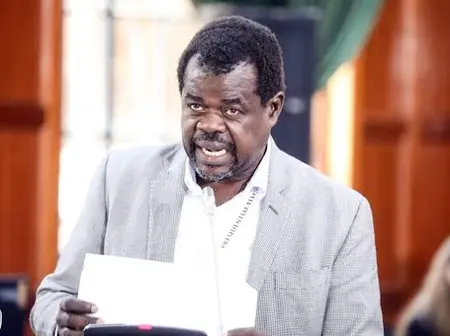
This bold declaration shifts the national conversation from how Kenya should raise taxes to pay its creditors, to whether those loans are legally binding in the first place. For years, fiscal policy has operated on the assumption that sovereign obligations are untouchable, regardless of how the money was spent.
By challenging the very terminology used by the National Treasury, Omtatah is reframing the economic crisis as a constitutional governance failure. Governance analysts observe that his stance directly threatens the traditional Executive practice of treating legislative budget approvals as mere formalities while borrowing heavily behind closed doors.
Behind the scenes, this push exposes deep friction between fiscal managers and oversight champions. While Treasury officials maintain that honouring international obligations is vital to protect Kenya's creditworthiness and investor confidence, critics within Parliament and civil society are increasingly demanding to see clear value for money before approving fresh borrowing limits.
The debate also puts multilateral lenders and commercial bondholders on notice. Insiders familiar with sovereign finance suggest that sustained legal and political questioning of loan validity complicates future negotiations, forcing lenders to scrutinise whether local constitutional procedures under Articles 206 and 211 were strictly followed.
For the ordinary citizen, this high-level clash translates directly to the daily cost of living. With National Treasury records showing public debt hovering around Sh13 trillion and debt servicing consuming nearly seventy percent of ordinary revenue, very little cash remains for essential services.
Every shilling directed toward servicing disputed or poorly accounted-for loans means heavier tax deductions on payslips, costlier fuel, and underfunded public hospitals. When Wanjiku struggles to afford basic household goods while mega-projects stall, Omtatah's message strikes an immediate emotional chord.
Looking ahead, the battle is shifting decisively from public rallies to the corridors of justice. Following earlier High Court rulings allowing constitutional petitions on billions of shillings in questioned Eurobond and external loans to proceed to full hearing, legal experts anticipate landmark precedents on personal liability for public officials.
At the same time, pressure is mounting on the Office of the Auditor-General to conduct comprehensive forensic audits that trace every borrowed shilling from offshore accounts to local projects. Whether through court orders or heightened parliamentary vigilance, the era of unquestioned state borrowing is rapidly running out of road.
Do you agree with Okiya Omtatah that Kenyans should refuse to pay for unaccounted loans, or would defaulting ruin the economy for everyone?
Leave a Reply