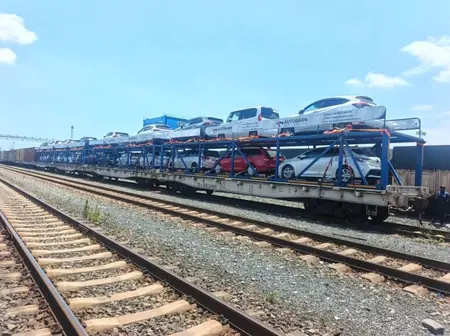
A quiet revolution is underway at the Port of Mombasa and across car showrooms nationwide after the Kenya Revenue Authority (KRA) rolled out new rules altering what happens to imported vehicles before they are officially registered.
Previously, licensed dealers had to pay both customs duties and NTSA registration fees upfront before a car could leave port custody. That system forced dealers to register vehicles under their own company names first, leaving retail buyers with "second-hand" logbooks and extra transfer expenses.
Under the revised rules, the pre-registration journey now follows a tightly monitored four-step pipeline:
First, dealers lodge their import entries in KRA's customs system and settle all mandatory import taxes and levies without paying NTSA registration fees.
Second, instead of issuing standard number plates, NTSA generates a unique digital tracking code combining the dealer’s KD number and the vehicle’s chassis number, linking it directly into KRA’s system.
Third, customs officers physically verify the car against the digital identifier before a Centralised Release Officer authorizes its transfer to the dealer's showroom yard.
While the automated KRA-NTSA data trail prevents dealers from diverting untaxed vehicles onto public roads, the overhaul delivers immediate relief to the auto market: faster port clearances, lower showroom overhead, and cleaner ownership histories for Kenyan motorists.
Source:https://peopledaily.digital/insights/explainer-what-happens-to-imported-cars-before-they-are-registered-under-the-new-kra-rules
Leave a Reply